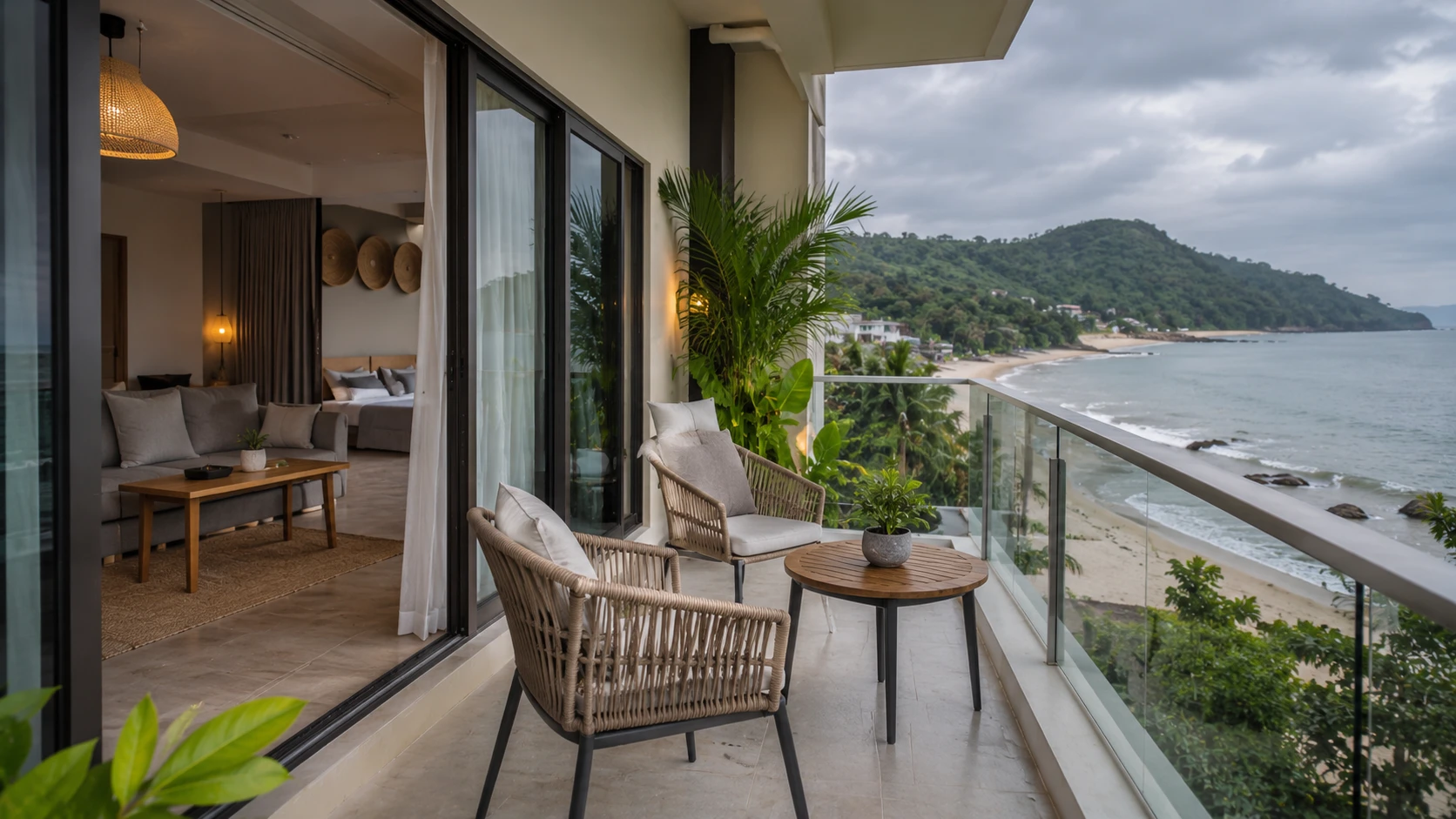
Thailand's rental market has strong seasonal swings: in resort areas, low-season occupancy can fall by 30–50% compared with peak months. Every property slows down to some degree, but some types are far harder to let between May and October. Knowing which ones are most exposed helps anyone buying for rental income plan around it.
Pool Villas and Large Private Homes
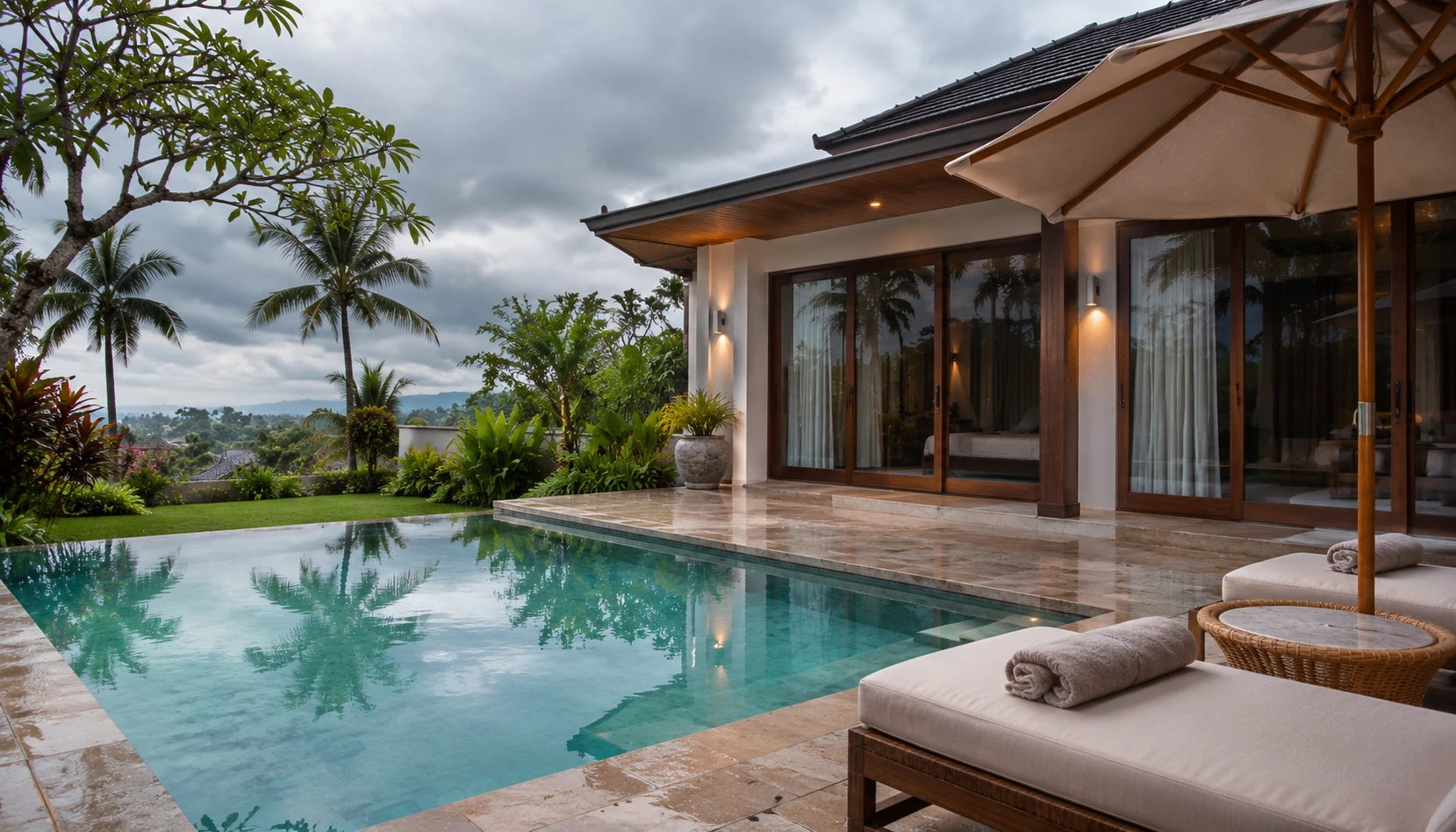
Pool villas perform well in high season, earning premium nightly rates and strong occupancy. The low season exposes their weak point: fixed costs that continue whether or not the villa is booked. Pool care, garden maintenance, security and utilities can add up to roughly 10,000–20,000 THB a month even when the villa is empty.
In the low season, villa occupancy can drop to 40–55%, while condos usually hold up better. Luxury villas in popular areas such as Bang Tao and Layan may fall to 35–45%. Over five slow months, a villa can absorb a significant amount in running costs with little income to offset it, which makes this format demanding for owners who cannot carry a long stretch of weak cash flow.
Condos in Oversupplied Buildings or Areas
Condos in dense buildings with many competing listings face a different but equally real problem. In Pattaya, condominium supply has kept growing faster than long-term demand, and in the low season short-term occupancy in many areas falls to 45–55%.
Even in popular destinations, units in oversupplied buildings – or with weaker views, low floors or poor natural light – struggle when tourist numbers drop. When a building has many similar units for rent, owners are pushed into price competition or longer empty periods.
Properties Outside the Main Tourist Zones
Homes and condos in areas without direct links to tourist infrastructure are often hard to let in the low season. East Pattaya is a good example: short-term occupancy there can fall below 50% over the year. These areas offer lower entry prices and less competition, but without tourist footfall it is difficult to keep bookings steady off-season.
Large-Format Units
Properties with three or more bedrooms also have a narrower tenant pool in the low season. A one-bedroom condo suits solo travellers, couples and remote workers, while a three- or four-bedroom villa needs a family, several couples or a corporate booking – and those groups travel less off-season.
For large properties, the low season usually brings:
- A narrower tenant pool. Fewer groups travel, so demand for large villas falls.
- Longer vacancies. Finding a suitable tenant for a large home takes more time.
- Rate pressure. Owners often have to lower rates or offer more flexible terms.
- More marketing effort. Large properties need more work to advertise and show.
One way owners ease the pressure is to switch to monthly or longer lets in the off-season. It also keeps the property on the right side of the rules: stays under 30 days require a hotel licence, and many condominium buildings ban them altogether.