
Best Areas to Live and Invest in Bali: 2026 Guide
Indonesia
EN
$
ft²
Other articles

Bali's Best Areas for Living and Investing: A 2026 Guide

Anna Sarapkina The author of the article, the Broker
#Blog DDA
12 February 13797 views

Here is the truth most brochures skip: Bali is not one market, but more than thirty micro-markets hiding under a single name. A villa in cliffside Uluwatu and an apartment in buzzy Canggu are both «Bali property», yet they represent completely different lifestyles and investment bets. With nearly 7 million visitors a year and steady demand from expats and digital nomads, the island remains one of Asia's most attractive destinations — but where you buy matters even more than what you buy.

Whether you are looking for a place to live, an income-generating asset, or both, the right area is the single most important decision you will make. This guide breaks down Bali's best areas — who each one suits, what kind of returns to expect and what to watch out for — so you can match the location to your goals.

Why the area matters more than the villa

Across real sales, one pattern repeats: a great villa in the wrong area underperforms a mediocre one in the right area. Each zone comes with its own guest profile, yield structure and appreciation trajectory. A surf crowd in Uluwatu, wellness travelers in Ubud and long-stay nomads in Canggu all behave differently as renters. For buyers who plan to live on the island, the priorities shift again — toward infrastructure, community, schools and climate. The smart approach is to pick the area first and the property second.

Bali's best areas at a glance

Before the detail, here is the big picture of the island's leading areas for living and investing:

Area Best for 2026 snapshot
Canggu Nomads, lifestyle, liquidity ~33% of the market, ROI 8–12%, ~85% occupancy
Pererenan A quieter «next Canggu» Emerging, surf and cafes, rising prices
Uluwatu Surf, cliffs, short-term rentals Fastest-growing, land +25–35%, lower entry
Ubud Wellness, nature, value Best value per sqm, strong rental demand
Seminyak Luxury, boutique hospitality Established, ROI 7–8%, brand premium
Nusa Dua Premium resort, families Highest nightly rates, +13% year on year
Sanur Families, quiet living Calmer pace, good value per sqm
North Bali Affordable, long-term bets Early-stage, new airport planned

Greater Canggu: the established heart of the market

Greater Canggu — central Canggu plus neighboring Berawa and Pererenan — is the engine of Bali's property market, accounting for roughly a third of all transactions. It is the most urban and developed part of the island, with international schools, full supermarkets and medical facilities already in place. That maturity makes it the natural choice for people who want a ready-made lifestyle and strong liquidity when it is time to sell.

For investors, Canggu offers high rental demand, occupancy around 85% and balanced returns of roughly 8–12%, with premium villas reaching higher. The trade-off is saturation: prices are higher, traffic is heavier and appreciation is slower than in newer areas. It suits buyers who value stability and a proven track record over explosive growth.

Bukit Peninsula and Uluwatu: the growth story

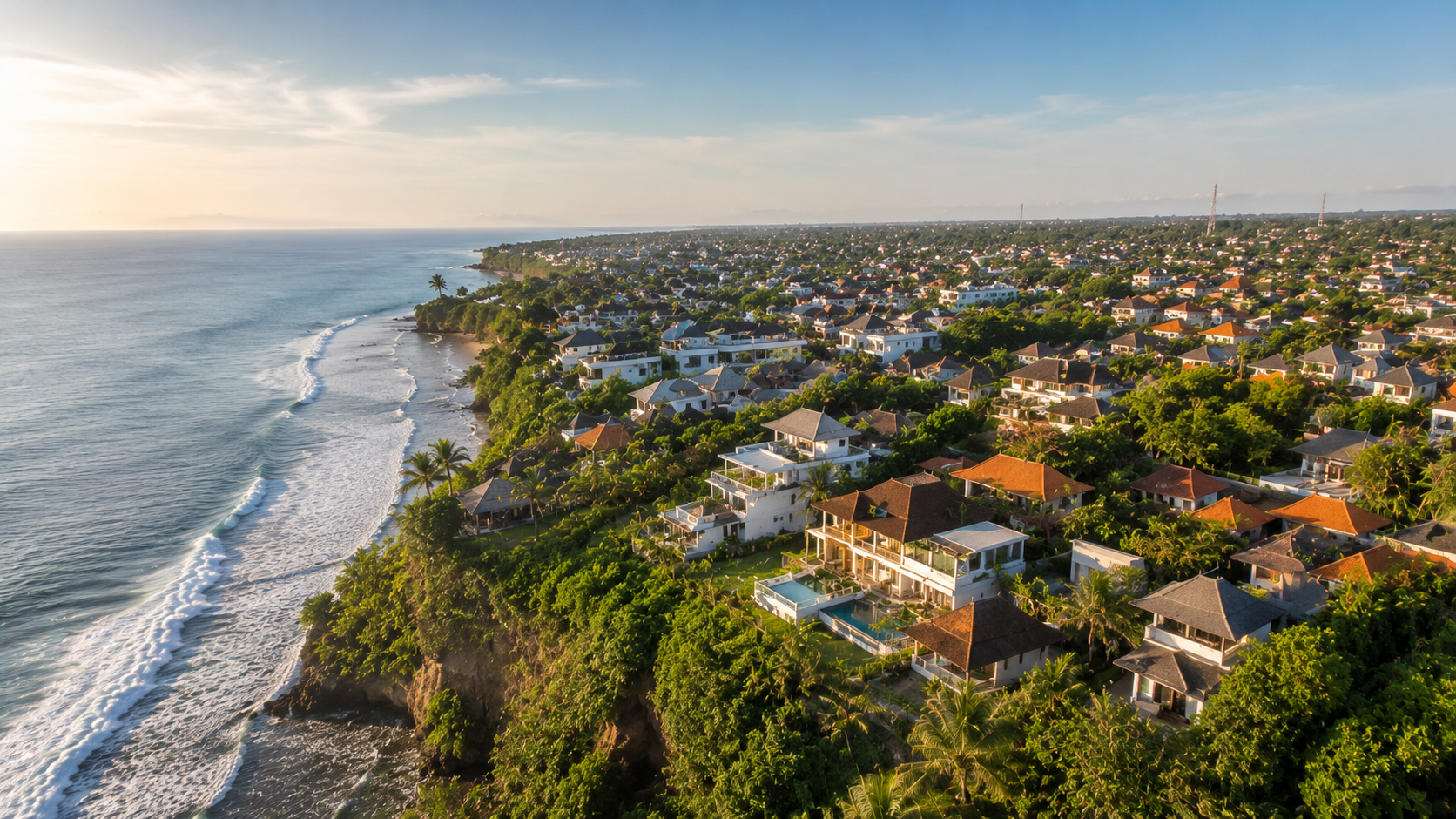
On the southern tip of the island, the Bukit Peninsula — Uluwatu, Bingin, Padang Padang and Ungasan — is Bali's fastest-growing sub-market, with land values climbing 25–35% and a double-digit annual surge. This is dramatic cliff-and-surf country: ocean views, a boutique-resort feel and a guest base of surfers and beach lovers willing to pay premium nightly rates.

Entry prices are still lower than in Canggu, which is a big part of the appeal for investors chasing capital growth. The trade-offs are practical: narrower roads, more dramatic terrain and infrastructure that is still catching up, with internet and access patchy in the most remote spots. It rewards buyers who are comfortable getting in early.

Ubud: nature, wellness and value

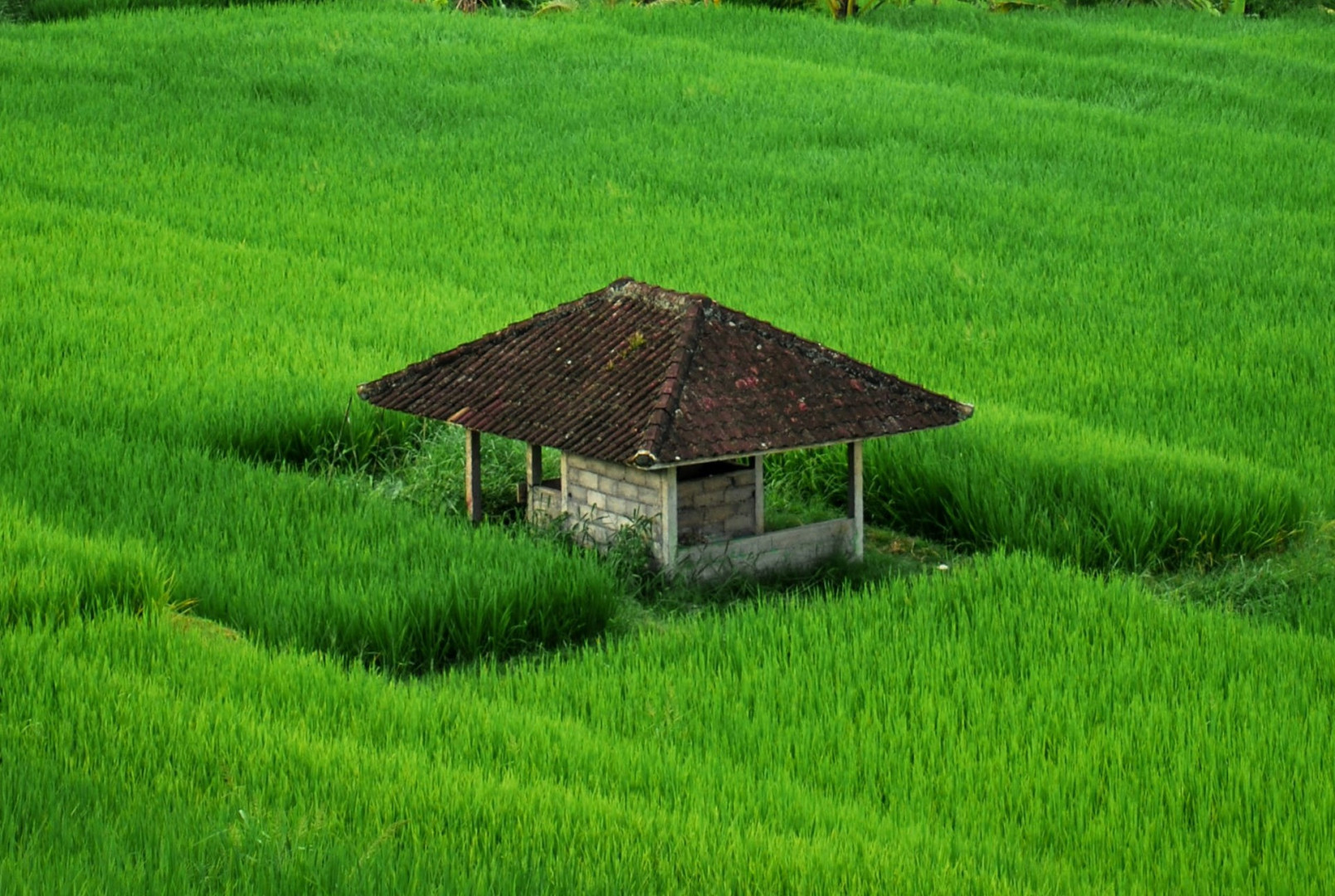
Inland, Ubud is Bali's cultural and wellness capital — a magnet for yoga practitioners, retreat guests and digital nomads who prefer rice terraces to beaches. It typically offers the best value per square metre on the island, with jungle villas and strong, year-round rental demand. Nearby villages such as Tegallalang and Nyanyi extend the area's potential for early investors at lower entry points.

The obvious caveat is the lack of a beach — the coast is over an hour away — so Ubud suits a specific guest and resident profile. For wellness-focused investors and those who want a calmer, greener base, it is one of the island's most rewarding choices.

Seminyak, Nusa Dua and Sanur: established south

These three southern areas serve buyers who want a more polished, settled environment. Seminyak is established luxury — boutique hotels, fine dining and a strong brand premium, with steady returns around 7–8% and reliable capital appreciation. Nusa Dua is the island's premium resort enclave, commanding the highest nightly rates and growing around 13% a year, popular with families and upscale travelers. Sanur is the quiet, family-friendly classic on the southeast coast: calmer, good value and favored by those who prefer a relaxed pace over nightlife.

Emerging areas: Pererenan, Tabanan and North Bali

For higher risk and potential reward, the island's frontier is opening up. Pererenan, just north of Canggu, is widely called «the next Canggu» — quieter, with a growing cluster of cafes and co-working spaces, but rising fast. Tabanan offers rice fields, coastline and a much lower entry point. North Bali remains affordable and early-stage, with a long-discussed new international airport that could reshape its long-term prospects. These areas reward patient capital and careful due diligence rather than quick flips.

Living versus investing: how to choose

The «best» area depends entirely on what you want from it. The priorities differ:

  • If you are living here — weigh infrastructure, community, schools, healthcare access and climate (Ubud and the highlands are cooler than the coast);
  • If you are investing — focus on occupancy, liquidity, management quality, legal zoning and the guest profile that matches your property;
  • If you want both — established areas like Canggu and Seminyak balance lifestyle with rentability, while emerging zones trade convenience for growth;
  • Match the area to a clear goal first, then shortlist properties — never the other way around.

Yields, costs and the legal essentials

Headline yields in Bali look spectacular, but the honest numbers sit lower once costs are deducted. Treat marketing figures as gross and always ask for net:

Metric Typical range
Gross rental yield (on paper) 10–15%+
Realistic net yield 6–10%
Property management 15–25% of revenue
Operating costs (total) 35–50% of gross revenue
Land acquisition tax (BPHTB) 5%
Rental income tax 10%

*Figures are indicative and on paper. Net returns depend on location, occupancy and management quality; always request real operating data before committing.

Just as important is the legal structure. Foreigners cannot own freehold land (Hak Milik); the legal routes are a leasehold (Hak Sewa, typically 25–30 years with extensions) or a PT PMA company holding HGB title. Nominee arrangements are illegal. A compliant rental also needs the right zoning, building permits (PBG and SLF) and a Pondok Wisata licence — the details that make or break returns are covered in our Bali villa rental guide on licensing and profit. And before you sign, it pays to negotiate well: see our 8 essential property negotiation tips in Bali.

How to invest smart in Bali

The winning playbook in today's market is selectivity backed by homework. Match the area to your goal, verify the legal entity, permits and developer track record, and budget honestly for management and taxes. For income, lean toward completed, professionally managed properties in established zones; for growth, buy early in emerging areas. A deeper breakdown of where the smart money is moving is in our guide to the top areas to invest in Bali.

FAQ

Which area is best for investment in Bali?

It depends on your goal. Canggu and Berawa offer the highest transaction volume and liquidity; Uluwatu and the Bukit deliver the fastest growth; Ubud gives the best value per square metre; Nusa Dua and Seminyak command premium rates. There is no single «best» — only the best fit for your strategy.

Where is best to live in Bali?

For ready-made infrastructure and community, Canggu and Seminyak are popular. Families often prefer Sanur or Nusa Dua for a calmer pace, while Ubud suits those who want nature, wellness and cooler air. Consider schools, healthcare and your daily commute when deciding.

Can foreigners own property in Bali?

Not freehold land. Foreigners invest through a leasehold (Hak Sewa) of 25–30 years with extension rights, or via a PT PMA company holding HGB title. Nominee structures are illegal, so a proper legal setup is essential for a secure investment.

What rental yields can I expect?

Gross yields of 10–15% are often quoted, but realistic net returns are closer to 6–10% after management, taxes and vacancy. Returns vary by area and, above all, by management quality, so always work from net figures and real operating data.

Which area suits digital nomads, surfers or families?

Digital nomads gravitate to Canggu and Ubud for community and co-working; surfers favor Uluwatu and the Bukit; families tend to choose Sanur, Nusa Dua or quieter parts of Seminyak for space and calm.

Find your ideal Bali area with DDA Real Estate

Ready to turn a shortlist into a smart purchase? DDA Real Estate helps you match the right Bali area to your goals — whether you are buying a home, an income asset or both. Our bilingual legal and financial experts handle area selection, due diligence, legal structuring and management, so your move to Bali is secure, compliant and built to perform.

Popular
5 June 4388139 views
Dubai Rent Prices 2025: Average Apartment Rental Costs in Dubai Dubai's rental market continues its upward climb in 2025, driven by population growth and limited new supply, pushing average prices up by 10%
#Blog DDA
8 October 2537829 views
DLD Fees in Dubai: Everything You Need to Know Buying property in Dubai? Don't let hidden fees surprise you! Our essential guide breaks down ALL Dubai Land Department (DLD) fees
#Blog DDA
23 November 2025261 view
How to Buy a SIM Card in Turkey in 2026: Prices, IMEI Registration, eSIM Options, and Best Mobile Operators Overview of mobile operators, available types of SIM cards, and home Internet providers
#Blog DDA
5 July 1870407 views
How Much is the Real Estate Agent Commission in Dubai? Find out how much real estate agent commission costs when buying property in Dubai.
#Blog DDA
5 February 1511118 views
How Foreigners Can Own Property in Bali: Understanding PT PMA (2025) Foreigners can't own freehold land in Bali, but a PT PMA (foreign-owned company) allows secure property ownership under Hak Guna Bangunan (HGB) or Hak Pakai (HP) rights
#Blog DDA
28 August 1289169 views
Oqood vs Title Deed in Dubai: Key Differences You Must Know Buying property off-plan in Dubai? Oqood registration is mandatory to secure your ownership rights.
#Blog DDA