Investment in the Canggu Area of Bali: A 2026 Guide
Indonesia
EN
$
ft²
Other articles

Investing in Canggu, Bali: Areas, Yields and Real Risks

#Blog DDA
17 February 11340 views

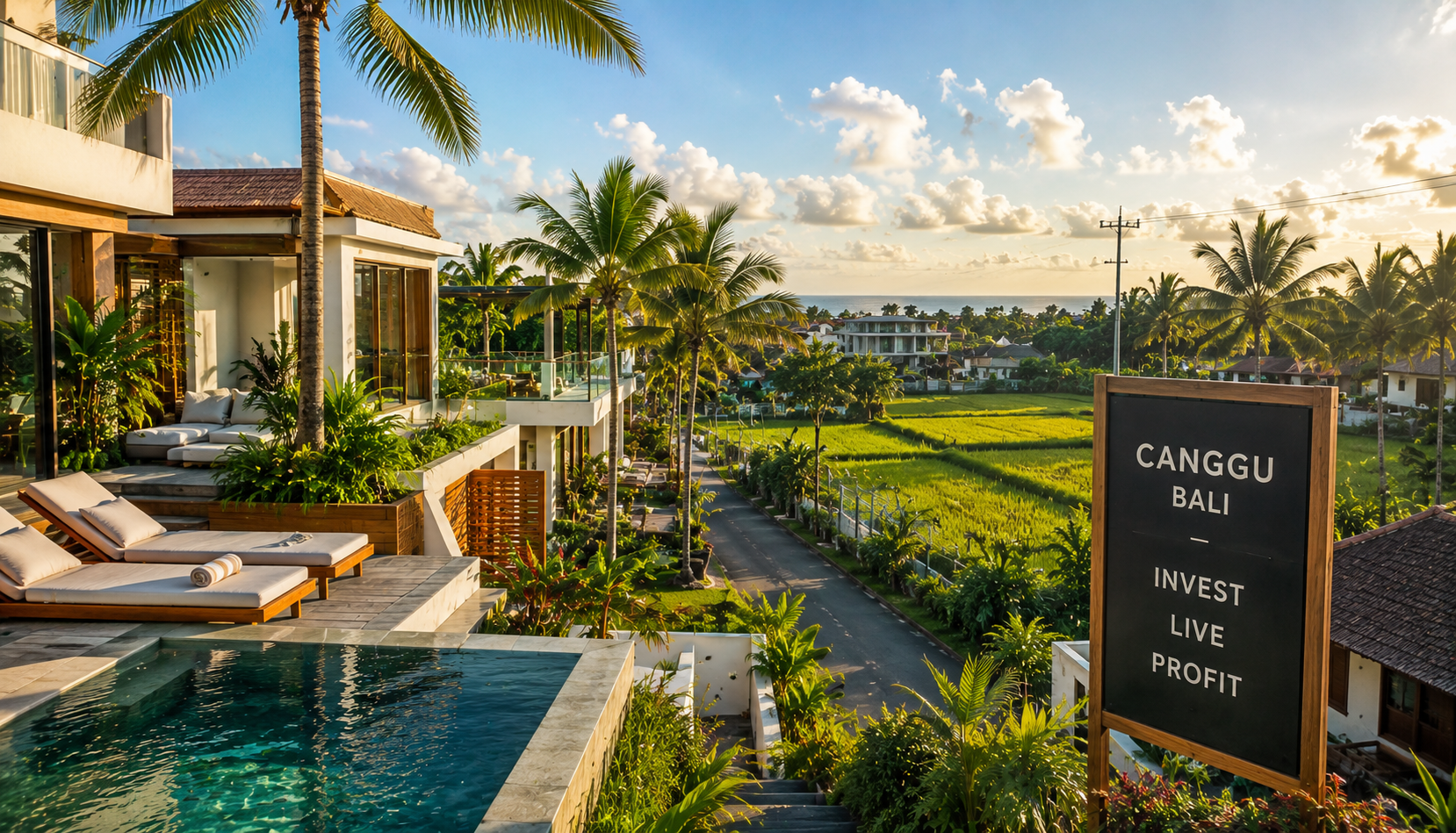
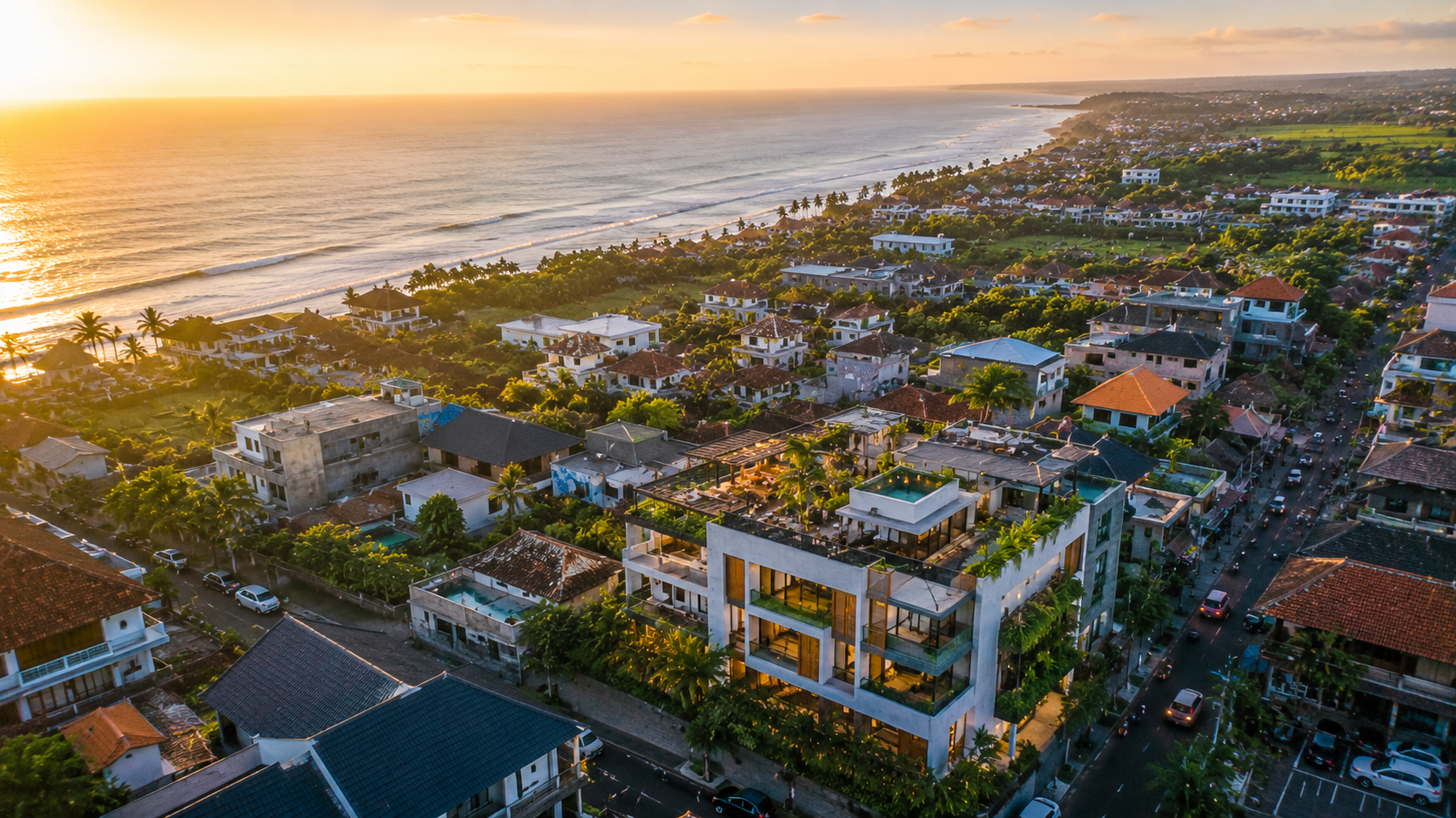
A few years ago, Canggu still felt like a surf village — cafés scattered between rice fields and a laid-back rhythm. Today it is one of the busiest lifestyle and rental markets on the island. At sunset, the lanes around Batu Bolong can slow to a crawl, and a two-kilometre drive sometimes takes longer than locals expect. Meanwhile villas keep appearing almost everywhere: beside rice fields, behind cafés, along narrow shortcut roads and inside fast-expanding residential pockets. That mix of strong demand and breakneck development is exactly what keeps Canggu attractive — and exactly why investing here has become more complicated than many buyers assume. Our deeper look at why Canggu blends trendy living and real estate appeal sets the scene; this guide focuses on the investment reality.

Why investors still focus on Canggu

Despite rising competition, Canggu remains one of the strongest rental markets in Bali. It continues to draw digital nomads, remote workers, younger expats, surfers, lifestyle travellers and long-stay visitors — because few places in Southeast Asia pack a beach lifestyle, coworking culture, international cafés, gyms and wellness venues, short-term rental demand and a large English-speaking community into such a compact area. For many visitors, Canggu simply becomes the version of Bali they pictured before arriving, which keeps occupancy and rental interest high.

But Canggu feels very different today

This is the part first-time investors tend to underestimate. The market now feels far more crowded and operationally demanding than it did a few years ago. Some villa roads in Pererenan still turn muddy in heavy rain despite premium projects next door; construction noise in parts of Berawa can start early even beside expensive villas; parking remains inconsistent; and drainage quality varies sharply from street to street. These small details shape guest reviews, repeat bookings, long-term liveability and pricing power far more than glossy listings suggest.

Is Canggu still a good investment in 2026?

The short answer is yes — but mainly for projects with genuine guest appeal and realistic operations. The market is no longer forgiving toward generic villas. A few years ago almost any reasonably designed villa could fill up during peak tourism; today results vary dramatically. Some properties still perform strongly, while others battle weak occupancy, discounting pressure, poor reviews, rising maintenance costs and heavy nearby competition. The gap between strong and weak projects is widening, and that gap is the real story of Canggu in 2026.

Different parts of Canggu attract different buyers

Canggu is not one market but several micro-locations, each with its own audience. Berawa has matured into a more residential, family-leaning area, popular for premium cafés, international schools and long-stay renters — though entry prices are high and nearby development is heavy. Batu Bolong is still the social heart of Canggu, defined by cafés, nightlife, surfing and digital-nomad culture; rental demand stays strong, but so do traffic and density, and the energy that thrills some visitors exhausts others after a few weeks. Pererenan, one of the fastest-growing neighbourhoods, drew buyers who wanted something calmer than central Canggu — a difference that still exists, but less than before as construction accelerates.

Area Main advantage Main risk
Berawa Family-friendly infrastructure High entry prices
Batu Bolong Strong rental demand Traffic and density
Pererenan Premium growth potential Rapid development

Example investment properties

To make this concrete, here are several Canggu projects that illustrate different segments and strategies. Treat them as worked examples of how location, format and price point shape the investment case:

Sunny Apart III — Batu Bolong — apartments, from $175,000. A short walk (about one minute) from the beach, with a rooftop bar and lounge and a strong tourism location, built on a 29+30-year leasehold structure. Best suited to short-term rentals and lifestyle investment.

SWOI Berawa — townhouses, from $150,000. Roughly 300 metres from Berawa Beach, with private swimming pools, security and services and a genuinely walkable location. The main risk to weigh is the high building density in the surrounding area.

AVIATOR — apartments, from $127,000. An apartment-hotel format in a tourism zone with infrastructure aimed at remote workers and proximity to coworkings, gyms and cafés, with a projected payback period of 4–6 years. As always, actual returns depend heavily on occupancy and seasonality.

ANTA Residence Canggu — premium apartments, from $340,000. A five-star-style complex in Batu Bolong with a beach shuttle service and family-friendly infrastructure, aimed at the premium rental segment and long-stay tenants.

Prices like these are only a starting point, and it helps to benchmark them against the wider market — our guide to how much a villa in Bali costs puts Canggu entry points in context.

Typical rental yield in Canggu

Gross yields vary widely by format and execution. As an approximate 2026 guide:

Property type Typical gross yield
Well-managed villas 8–15% gross
Premium branded projects 7–12% gross
Generic mid-market villas Highly variable
Apartments Depends heavily on execution

One nuance matters more than any single number: gross-yield projections in Bali are often built on optimistic occupancy during strong tourism periods. Stabilised performance can look very different once seasonality, competition, maintenance, staffing, OTA commissions and discounting pressure are all factored in realistically. Treat headline yields as a ceiling to interrogate, not a promise.

Seasonality still matters

Canggu feels busy most of the year, yet seasonality still moves the numbers. Stronger periods tend to fall in June–August, over the December holidays and through major surfing and tourism seasons, while parts of the rainy season and quieter international-travel windows are softer. Properties that lean heavily on short-term tourism can see noticeable occupancy swings — especially newer projects that have not yet built up a strong review history.

The reality of villa operations

This is where expectations often shift. Many foreign buyers imagine Bali rentals as fairly passive income, but day-to-day operations can be surprisingly intensive, particularly during high-occupancy periods. Ongoing demands include air-conditioning servicing, mould prevention, pool cleaning, water-filtration upkeep, staff turnover, housekeeping consistency, guest complaints and OTA platform management. In a tropical climate, even small maintenance delays can become expensive quickly, so understanding the process of buying property in Bali and what comes after handover is essential before you commit.

Staffing reality in Bali hospitality

Staff quality varies significantly, and owners sometimes struggle with turnover, inconsistent training, communication gaps, heavy dependence on local managers and quality-control problems. The flip side is that a reliable team becomes one of the biggest competitive advantages a Canggu property can have — good management often separates the projects that thrive from those that merely survive.

Who usually struggles in Canggu

The weakest results tend to cluster among passive investors, undercapitalised owners, buyers relying entirely on optimistic ROI projections, generic villa concepts without clear audience positioning, and projects with weak management. Increasingly, Canggu rewards properties that feel operationally stable and professionally maintained over those that simply look good online.

Oversupply risk

Oversupply remains one of the biggest concerns in 2026. Construction continues almost everywhere — particularly in Pererenan, the outskirts of Berawa and inland villa areas — which adds competition, pricing pressure, review sensitivity and a kind of guest comparison fatigue. The middle of the market currently faces the strongest pressure, while luxury and strongly branded concepts usually prove more resilient.

Leasehold and legal reality

Most foreign buyers invest through leasehold structures, and the details genuinely matter: remaining lease years, the extension structure, thorough legal due diligence, the land-ownership chain and resale attractiveness all deserve scrutiny. Some investors also underestimate nominee and PMA-related risks, renewal assumptions are often uncertain, and financing options for foreigners remain limited compared with Western markets. This is an area where independent legal advice pays for itself many times over.

Taxes and operating costs

Real operating expenses add up well beyond the purchase price. A realistic budget should account for management fees, OTA commissions, staffing, utilities, repairs, taxes, accounting, PMA or company costs and extra maintenance through the rainy season. Taken together, these can affect net profitability far more than buyers expect, which is why net — not gross — return is the number that should drive any decision.

The human side of Canggu investment

Many owners underestimate how mentally demanding hospitality operations become after the first 12–18 months. At first the process feels exciting; over time, some owners find themselves spending large amounts of energy on maintenance problems, guest messaging, review management, pricing competition, staffing issues and humidity-related repairs. That fatigue is one reason a growing number of investors gradually shift toward professionally managed or branded hospitality models.

Is Canggu good for long-term living?

For many people, yes — especially entrepreneurs, remote workers, social lifestyle seekers and surfers who thrive on the energy. But not everyone enjoys Canggu over the long term, and some residents eventually tire of the traffic, noise, density, constant stimulation and nearby construction. It is worth remembering that vacation compatibility and long-term living compatibility are not always the same thing.

Frequently asked questions

Is Canggu still a good investment in 2026?

Yes, but the market is far more competitive than before. Strong results now depend on location, management quality and the overall guest experience rather than on the property alone.

What rental yields are possible in Canggu?

Well-managed villas may achieve around 8–15% gross yield, though results vary heavily with occupancy and operations. Premium branded projects often sit nearer 7–12% gross, and net figures are lower once costs are included.

Which area of Canggu is best?

It depends on your goal: Berawa suits families and long stays, Batu Bolong suits tourism and nightlife, and Pererenan leans toward a premium, quieter lifestyle — though it is developing fast.

Is oversupply a problem?

It is a real risk. Villa construction remains very active, especially in the mid-market segment, which adds competition and pricing pressure. Luxury and well-branded projects tend to hold up better.

Can foreigners buy property in Bali?

Foreigners usually invest through leasehold structures or PMA companies rather than direct land ownership. Careful legal due diligence on the lease, extension terms and land chain is essential.

What costs do investors often underestimate?

Maintenance, staffing, OTA commissions, taxes, air-conditioning servicing, pool cleaning and repairs during the rainy season. Together these can shift a property from a strong gross yield to a modest net one.

Is Canggu good for long-term living?

For many people, yes — especially remote workers and entrepreneurs. But traffic, noise and constant construction can become tiring over time, so a trial long stay before buying is wise.

Final thoughts

Canggu remains one of Bali's strongest and most liquid real estate markets, but it is no longer a place where almost any villa performs well by default. The strongest projects today combine a good location, reliable management, realistic pricing, a stable guest experience and a thoughtful concept — and in Canggu, those small operational details increasingly matter as much as the property itself. Most projects look attractive online; far fewer stay operationally efficient over the long term. If you are weighing a villa investment, a short-term rental business, a relocation or a hospitality project in Canggu, DDA Real Estate can help you compare micro-locations realistically, assess oversupply and competition, pressure-test operational sustainability, review the leasehold and legal structure, and select projects aligned with your long-term goals. Contact our team for a personalised Bali real estate consultation.

Popular
5 June 4388202 view
Dubai Rent Prices 2025: Average Apartment Rental Costs in Dubai Dubai's rental market continues its upward climb in 2025, driven by population growth and limited new supply, pushing average prices up by 10%
#Blog DDA
8 October 2537829 views
DLD Fees in Dubai: Everything You Need to Know Buying property in Dubai? Don't let hidden fees surprise you! Our essential guide breaks down ALL Dubai Land Department (DLD) fees
#Blog DDA
23 November 2025261 view
How to Buy a SIM Card in Turkey in 2026: Prices, IMEI Registration, eSIM Options, and Best Mobile Operators Overview of mobile operators, available types of SIM cards, and home Internet providers
#Blog DDA
5 July 1870407 views
How Much is the Real Estate Agent Commission in Dubai? Find out how much real estate agent commission costs when buying property in Dubai.
#Blog DDA
5 February 1511118 views
How Foreigners Can Own Property in Bali: Understanding PT PMA (2025) Foreigners can't own freehold land in Bali, but a PT PMA (foreign-owned company) allows secure property ownership under Hak Guna Bangunan (HGB) or Hak Pakai (HP) rights
#Blog DDA
28 August 1289169 views
Oqood vs Title Deed in Dubai: Key Differences You Must Know Buying property off-plan in Dubai? Oqood registration is mandatory to secure your ownership rights.
#Blog DDA