Off-plan properties
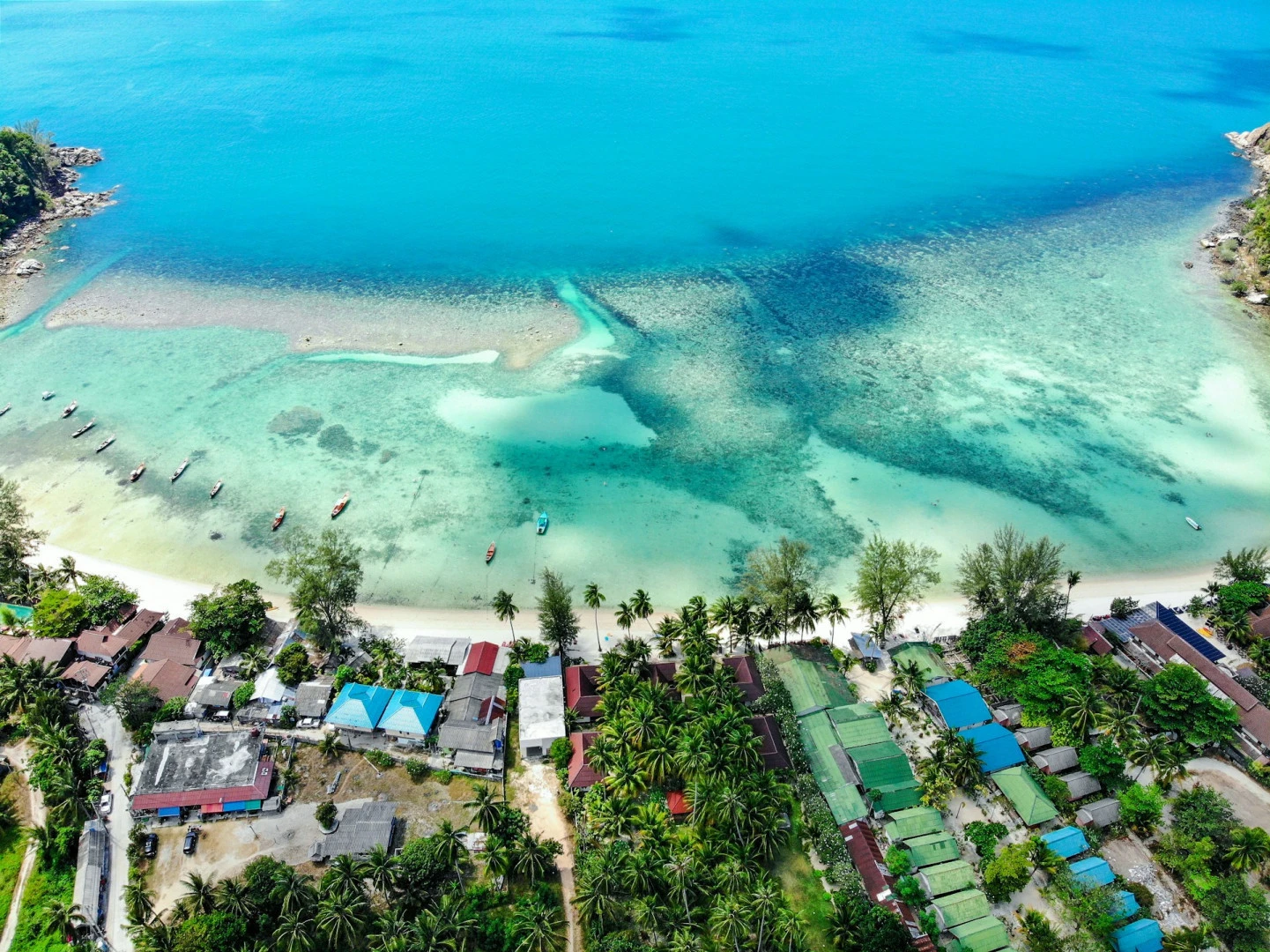
Known for its turquoise waters, lush green jungles, and riotous Full Moon Parties, Koh Phangan has become a hotspot for property investment. Learn special investment insight into Thailand: whether you want a vacation home, rental income, or a long-term project, investing in real estate there involves unique laws and local market dynamics with potential for financial loss – be strategic. So here's a no-nonsense guide to buying a property in Koh Phangan without making a massive mistake.
When it comes to property ownership in Thailand, foreigners face some restrictions. Freehold ownership is allowed for condominiums, provided that at least 51% of the building is owned by Thais. However, foreigners cannot directly own land or houses. In place of full ownership, many buyers go for leasehold agreements (up to 30 years, but can be renewed) or set up a Thai company – and the second option involves legal complexities. To ensure security and avoid disputes, always check that the land comes with a Chanote title deed, which is regarded as the gold standard for property ownership in Thailand.
Koh Phangan has many diverse neighborhoods catering to different lifestyles. Thong Sala, the island's lively center, offers easy access to banks, hospitals, and ferries, making it a great base for those seeking convenience. For upscale travelers, Haad Salad and Hin Kong are home to luxury villas with sweeping sunset views. Sri Thanu's bohemian vibe draws wellness fans, and up-and-coming districts such as Chaloklum and Haad Yao have affordable options with solid growth potential.
Working with a reputable local agent makes the whole process easier. A good agency knows the island's zoning rules, current pricing by area, and which plots carry title problems — the kind of detail that never appears in a listing. Before you commit, check that the agency is properly licensed, ask how many foreign purchases it has closed on Koh Phangan specifically, and request references from past buyers. DDA Real Estate works with international buyers across Thailand and can handle the search, the legal checks, and the transfer from start to finish.
Most property transfers in Thailand are cash sales. Mortgages for foreigners are uncommon, but some Thai banks or international lenders may provide financing. Budgets vary: plots of land start from as low as ฿5 million (for 1,000 sqm), whereas luxury villas often cost upwards of ฿50 million. In a post-pandemic world, sellers might be more negotiable – discounts and incentives, such as furniture packages, are worth asking for.
Do your due diligence before you decide. Verify that the seller is the legal owner, check that the land is zoned residential, and compute other costs, such as the transfer fee (2 percent of property value) and stamp duty (0.5 percent). Then, sign a detailed sales agreement and pay a deposit (usually 10–30%) to seal the deal. Complete the transaction at the Land Department in Surat Thani or Koh Samui, and for leaseholds, formally register the lease to make it enforceable beyond three years.
When buying land, partner with agencies that provide construction management services. Watch out for changes in infrastructure, like the proposed airport project that could significantly increase property values.
Koh Phangan: With stunning natural beauty and increasing appeal, the island is sure to provide lifestyle benefits and financial returns – provided you properly research the country and purchase property with expert guidance.