


Off-plan properties
Bali is one of the most visited tropical destinations in the world. Most travelers experience nothing but sunshine, surf, warm hospitality, and unforgettable culture. But like any popular island with millions of annual visitors, Bali has real risks that every tourist should understand - from ocean currents and scooters to scams, monkey bites, and natural hazards.
This guide explains the actual dangers, how to avoid them, and what smart travelers do differently.
Bali's traffic is chaotic: scooters everywhere, narrow roads, sudden dogs crossing, and variable driving skills.
What makes roads risky:
How to avoid trouble:
Most scooter accidents in Bali involve beginners. If you're not confident - don't drive.
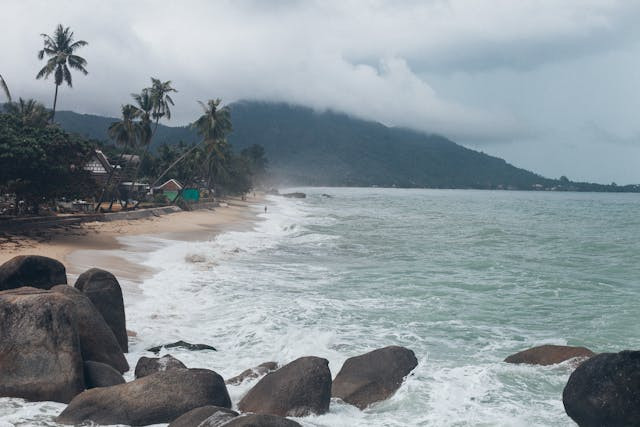
Bali's beaches look calm - but the ocean can be extremely powerful.
Risk zones:
How to stay safe:
The ocean is beautiful but should be treated with respect - especially on the Bukit Peninsula.
Monkey Forest in Ubud and Uluwatu Temple are famous for monkey encounters - but these are wild animals.
Risks:
How to avoid:
Other animals to be aware of:
Indonesia sits on the Ring of Fire, meaning seismic activity is normal.
What tourists should know:
Safety tips:
Most hazards are rare, but being aware is key.
Bali's weather is tropical - humidity + strong UV.
Tips:
Common causes:
Prevention:
Common tourist scams:
How to protect yourself:
Bali scams are usually petty - not dangerous.
Small risks worth noting:
Safety checks:
Seminyak, Canggu, and Kuta have vibrant nightlife - but also risks.
Be aware of:
Tips:
Some unlicensed operators offer:
Choose only operators with:
Cheap tours can be risky - prioritize safety.
Rainy season (Dec-Mar) brings:
Advice:
Always wear a scooter helmet
Swim only in lifeguard zones
Don't feed monkeys
Drink bottled or filtered water
Use official taxi apps
Avoid cliffs after rain
Check accommodation safety
Be cautious with nightlifeUse sunscreen + electrolytes
Choose licensed tour operators
Most dangers in Bali are avoidable with simple, smart behavior.
Read also: "Indonesia Property Purchase Process", "Scams on Bali: what you need to know to stay safe", "The Pros and Cons of Off-Plan Property Investments in Bali".
Is Bali safe for solo female travelers?
Yes - but follow standard precautions: avoid dark alleys, use official taxis, stay in central areas.
Is the ocean dangerous?
Only if you ignore flags and swim in risky zones.
Is it safe to rent a scooter?
Yes - if you have a license, experience, and always wear a helmet.
Is Bali safe at night?
Generally yes - Seminyak and Canggu are lively until late.
Do earthquakes happen often?
Small tremors are normal; major risks are rare and monitored.
Bali is a safe, welcoming island - but like any tropical destination, it has its nuances. By understanding the real risks and using common sense, tourists avoid 99% of problems and enjoy the island exactly as it should be enjoyed: freely, brightly, and safely.
For relocation and long-term stays, DDA Real Estate provides full guidance - from legal compliance and neighborhood selection to villa safety and lifestyle support.