Off-plan properties
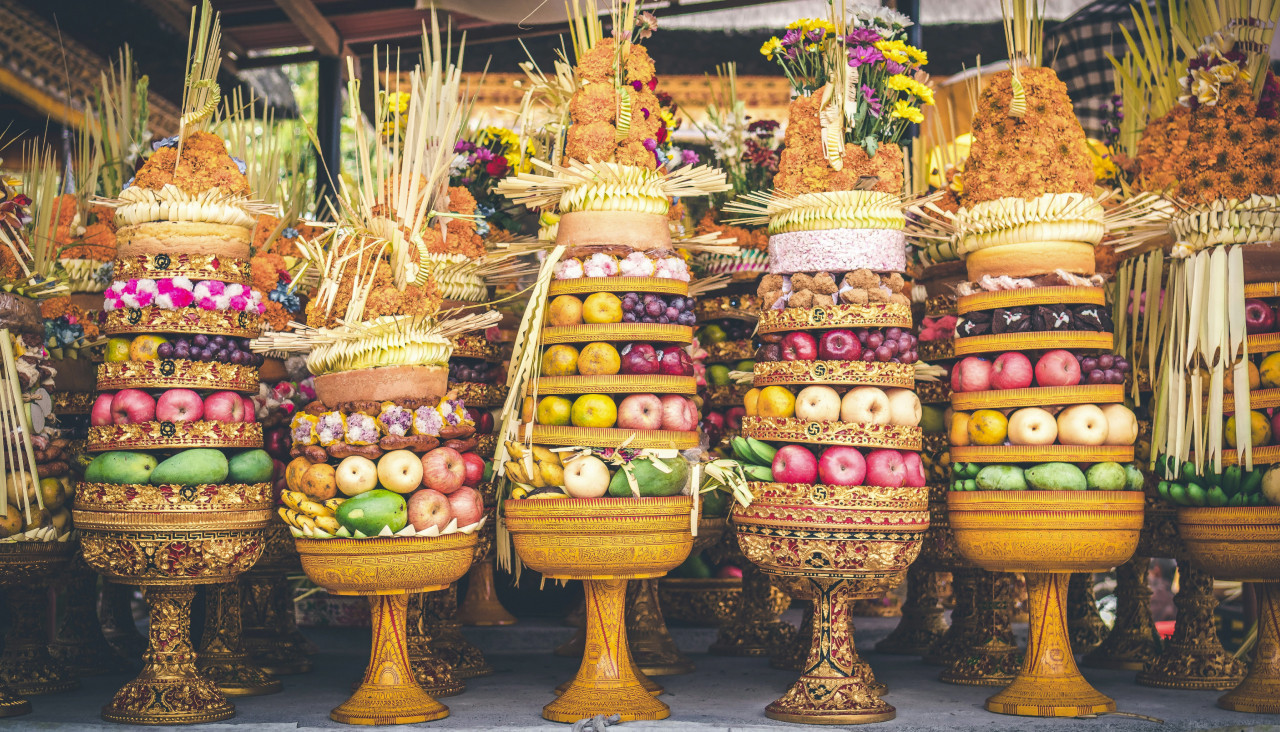
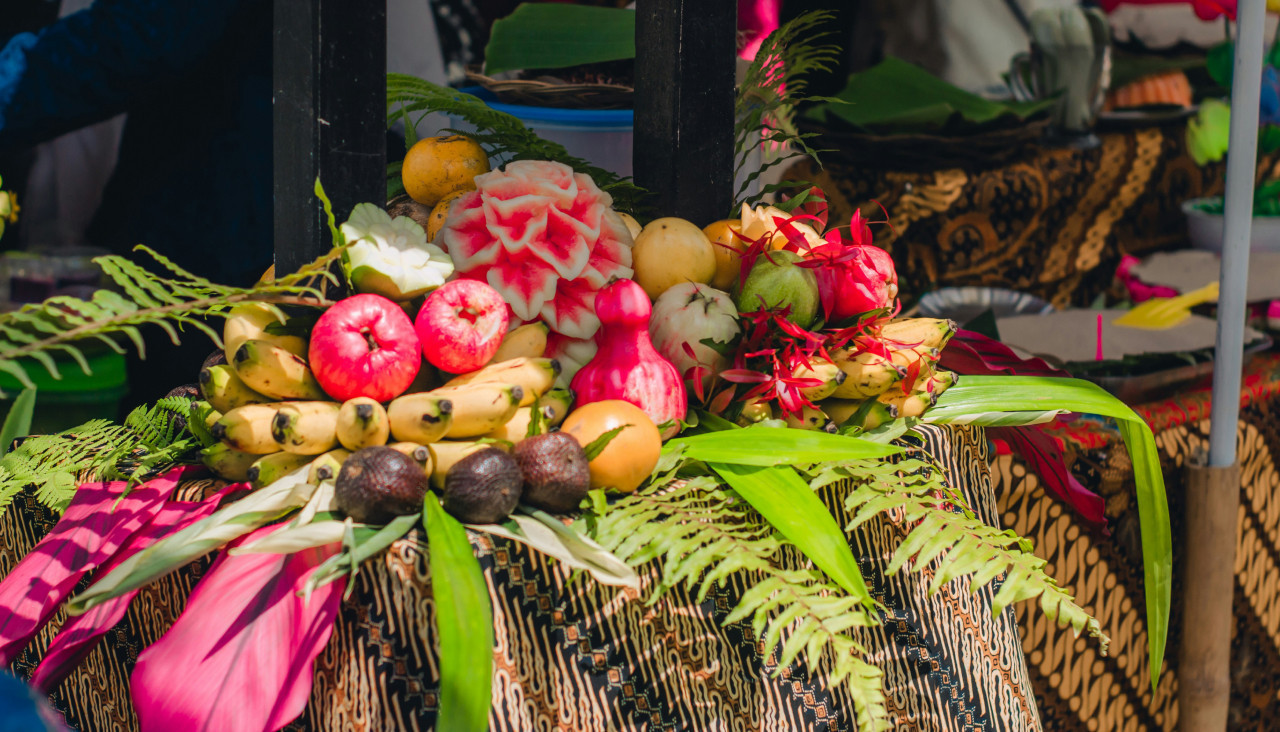
Bali is a tropical paradise where fruit stalls overflow with color, markets buzz from sunrise, and smoothie bowls become a daily ritual. For travelers, digital nomads, and long-term residents, Bali's fruit culture is not just food - it's lifestyle.
This guide reveals what fruits to try, when they're sweetest, where locals shop, how to avoid tourist markups, and how to store tropical fruits in your villa.
Mango (Mangga)
Sweet, fragrant, melting-soft.
Best season: December-March
Price: 15k-30k IDR/kg
Dragonfruit (Buah Naga)
White or deep-purple flesh. Purple = sweeter.
Best season: June-October
Price: 10k-25k IDR/kg
Rambutan
Juicy and addictive.
Best season:January-February
Price: 15k-20k IDR/kg
Mangosteen (Manggis)
Queen of fruits - floral, refreshing.
Best season: November-March
Salak (Snake Fruit)
Crunchy, sweet or tangy depending on variety.
Best season: year-round
Papaya
Perfect for bowls and breakfasts.
Best season: year-round
Durian
Legendary, polarizing, unforgettable.
Best season: December-March
Rainy Season Fruits (November-March) - Sweet, Juicy, Aromatic
Dry Season Fruits (April-October) - Fresh, Bright, Refreshing
Pro tip: Rainy-season mornings = the best time for mango and rambutan.
Knowing this saves expectations:
Bali = tropical fruit heaven. Europe-style fruits - not its strong point.
1. Nalu Bowls
Iconic smoothie bowls. Dragonfruit is top tier.
2. KYND Community (Seminyak)
Vegan, bright, Instagram-ready fruit platters/
3. Give Café (Canggu)
Fresh bowls + ethical concept.
4. Cafe Organic (Seminyak)
Trendy, green, perfect for healthy breakfasts.
5. Akasha (Ubud)
Raw, organic, jungle-inspired fruit cuisine.
6. Alchemy (Ubud)
Legendary raw café with excellent juices.
1. Denpasar Pasar Badung
The island's biggest wholesale market - best prices.
2. Pasar Gianyar
Great for mango, papaya, bananas.
3. Ubud Morning Market (до 9:00)
Fresh and local.
4. Jimbaran Wholesale Market
Restaurants buy fruit here - excellent value.
5.Roadside fruit trucks (Tabanan)
Cheapest seasonal mango and rambutan.
6. Kintamani Highlands fruit stalls
Direct-from-farmer passionfruit and oranges.
These rules save 30-50% of your budget:
| Region | Conditions | Fruit Notes |
|---|---|---|
| Ubud | humid, jungle | great for papaya, bananas, mangosteen |
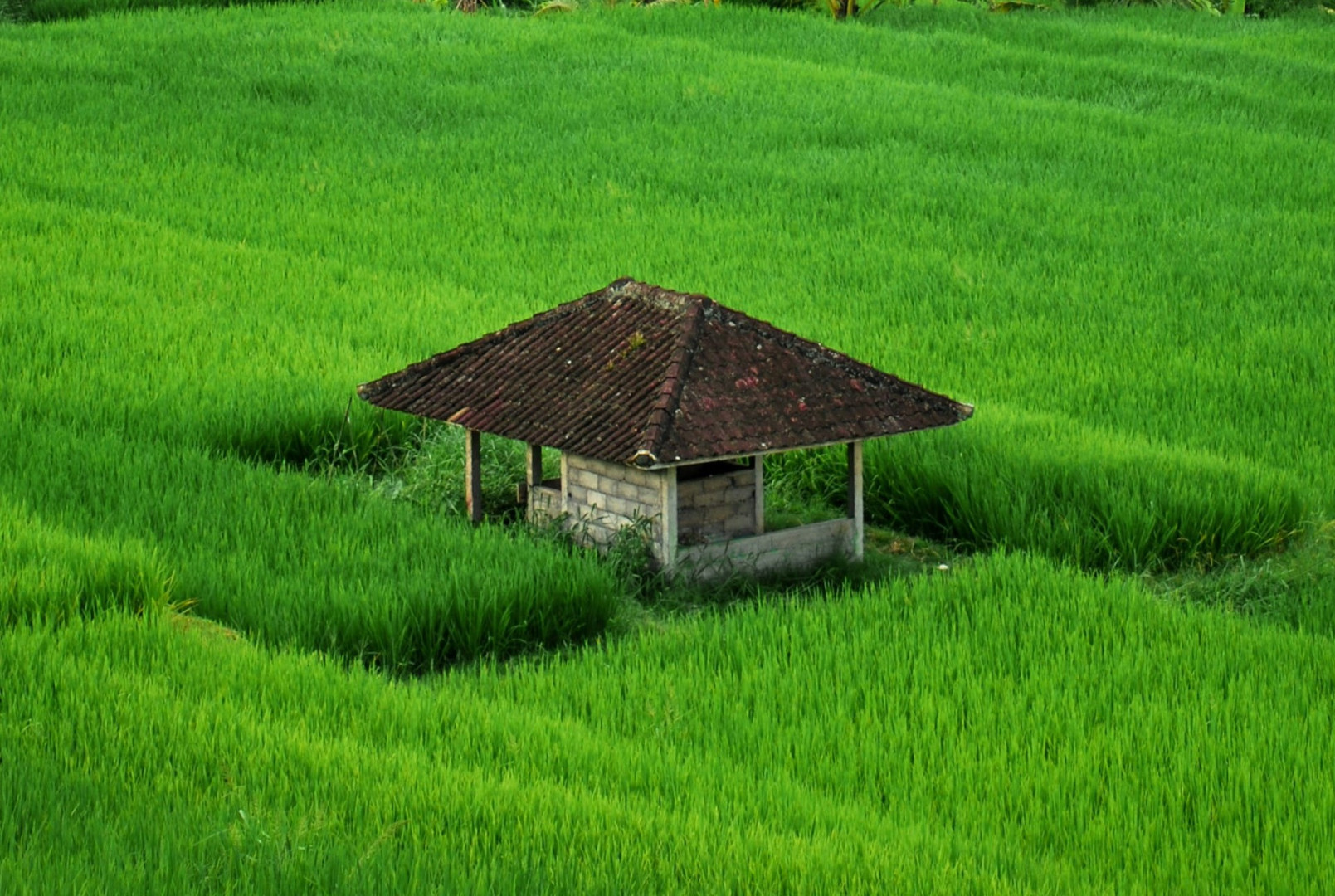
| Canggu | rice fields | excellent mango & dragonfruit stalls |
| Uluwatu | dry, sunny | best pineapples & coconuts |
| Sanur | breezy coast | fewer insects → fresher morning markets |
| Denpasar | urban | cheapest prices island-wide |
| Instagram Fruit | Best for Eating |
|---|---|
| Dragonfruit | Mango |
| Rambutan | Papaya |
| Baby Pineapple | Passionfruit |
| Mangosteen | Local small bananas |
Read also: Legalization in Indonesia, Complete Guide To Buying Property in Bali as a Foreigner, Indonesia Property Purchase Process.
Are Bali fruits organic?
Many farms are, but not all - depends on the region.
Is it safe to eat fruit from markets?
Yes, if washed and uncut.
Can I take fruit back home?
Depends on country - Australia & Singapore are strict.
Why do fruits taste better in Bali?
Volcanic soil + tropical sun = rich natural sugars.
Where can I buy fruit platters?
Canggu, Uluwatu, Ubud cafés - almost everywhere.
Understanding Bali's fruit seasonality helps newcomers sync with island life. Rainy-season mangoes, dry-season dragonfruit, Ubud papayas-all this creates a sense of rhythm, nature, and locale.
If you're planning a winter getaway, relocation, or real estate investment, we'll help you find the best area, lifestyle setting, and villa to suit your lifestyle.
Want a personalized Bali lifestyle or investment guide?
DDA Real Estate helps you navigate Bali smoothly - from markets to mortgages, from fruit culture to zoning laws.
Contact us and we'll prepare a personal guide to living and investing in Bali.