Off-plan properties
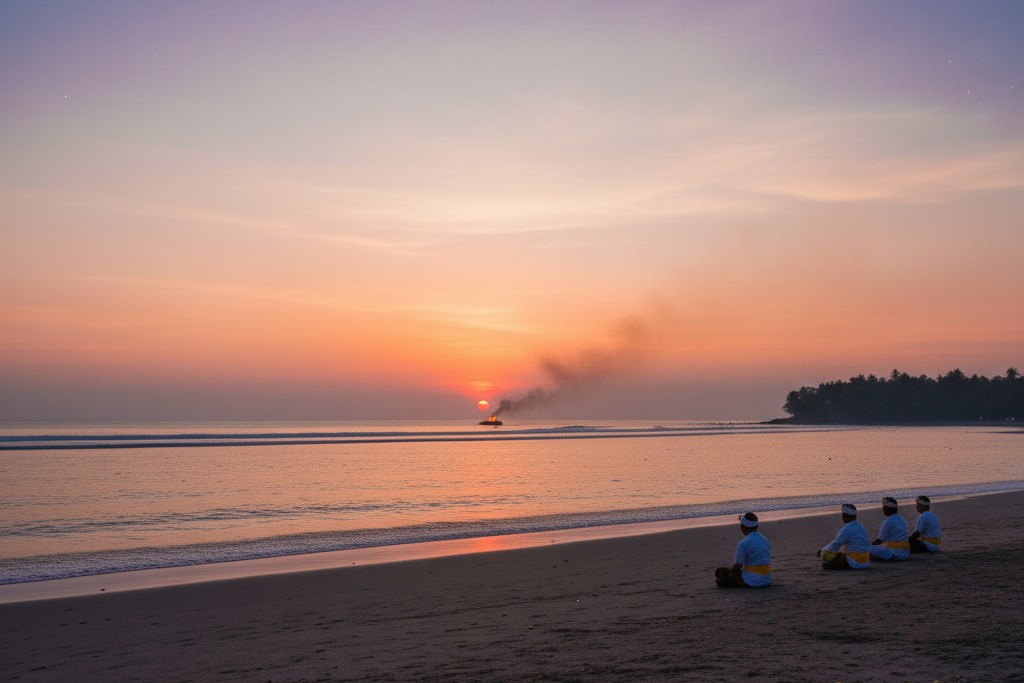
If there is one moment when Bali becomes truly otherworldly, its Nyepi, the Balinese New Year and the famous Day of Silence. For 24 hours, the entire island shuts down – no cars, no lights, no travel, no sound. The airport closes, streets empty, nightlife pauses, and the island enters a profound stillness unlike anything on Earth.
Nyepi is both a cosmic reset and a cultural phenomenon – one of the most unique celebrations in Southeast Asia. For tourists, it's unforgettable. For expats and digital nomads, it's a moment of quiet reflection. For investors, it's a period of 95% hotel occupancy and peak seasonal demand.
Let's break down everything you need to know about Nyepi 2025.
Nyepi is Bali's New Year 2025 celebration according to the Balinese Saka calendar – but unlike New Year festivities anywhere else in the world, there are no fireworks, no parties, no countdowns. Instead, the island turns inward.
Nyepi represents a complete reset of the island's energy – a sacred pause designed for reflection, purification, and spiritual renewal. Where most cultures greet the New Year with noise and celebration, Bali chooses silence, stillness, and introspection.
The Balinese believe that before welcoming a new cycle, one must:
Nyepi is not about deprivation – it is about creating space. Space for clarity, for peace, for alignment with nature and the divine.
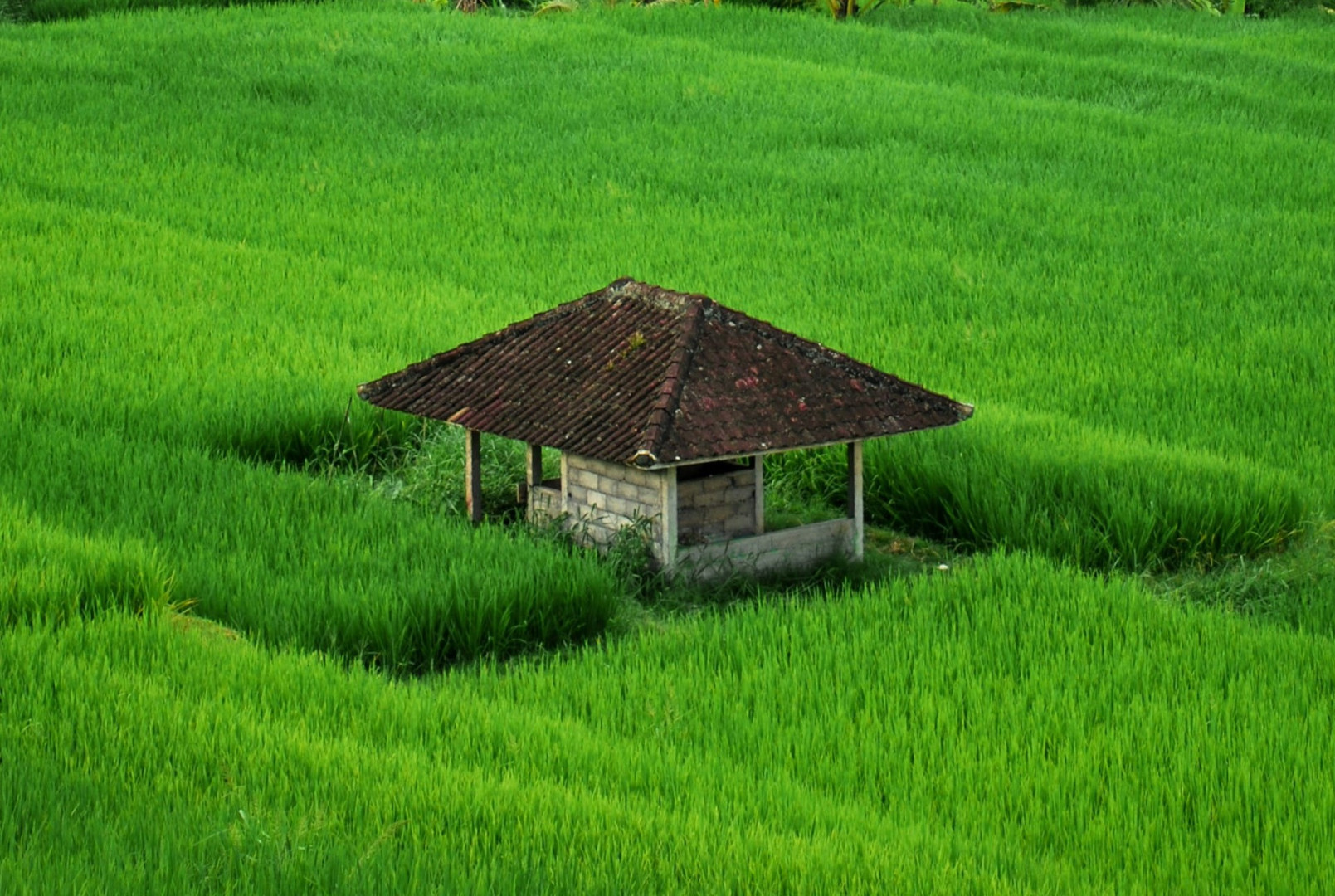
From the highest cliffs of Uluwatu to the rice terraces of Ubud, Bali becomes entirely silent. No engines run, no streets glow, no voices echo. It is as if the entire island inhales – and holds that breath for 24 hours.
Many expats describe Nyepi as:
"A spiritual full stop – a moment when Bali becomes pure presence."
Nyepi is guided by the ancient principles of Catur Brata Penyepian – four vows that cleanse the mind, body, and environment:
These rituals are more than rules – they are the foundation of Bali's spiritual identity.
The silence is not symbolic; it is functional. By halting activity, Bali "confuses" evil spirits who, finding the island empty, leave it in peace for the coming year. It's mythology, psychology, and social harmony woven into a single island-wide ritual.
Nyepi is where culture becomes experience – and where Bali reveals its timeless soul.
Nyepi follows four sacred restrictions:
These principles give Nyepi its spiritual depth and its global uniqueness.
Nyepi 2025: March 29, 2025 (00:00-24:00)
The evening before Nyepi is the dramatic opposite of silence – lively, fiery, artistic.
Massive Ogoh-Ogoh statues (mythical demons built from bamboo and papier-mache) parade through the streets. Villages compete in creativity, and the energy is electric. After midnight, these statues are burned – symbolizing purification and the destruction of negative forces.
If you're in Bali for Nyepi 2025, don't miss the Ogoh-Ogoh parades – they're one of Bali's cultural masterpieces.
From midnight until the next sunrise, Bali enters a complete pause.
What Stops During the Day of Silence?
Traditional guards, Pecalang, ensure that rules are respected – even tourists must stay inside.
But what still works?
Nyepi 2025 Travel Rule: all arrivals and departures must be planned before or after the 24-hour silent period.
Most mobile operators function normally, but: Some villages reduce network strength during the Nyepi evening.
This is done to honor Amati Geni (limiting digital "light").
Tip: download essential media, offline maps, and work files in advance.
Nyepi is not about restrictions – it's about renewal.
Balinese Hindus use this time to:
It's a rare moment where modern life pauses, giving space for silence and clarity.
"Can I work remotely during Nyepi?"
Yes – as long as you stay indoors, keep lights low, and avoid noise.
"Is Wi-Fi available?"
Generally yes, but speeds may fluctuate in the evening.
"Can I use my laptop?"
Yes – quiet indoor work is allowed.
"Can I go outside to buy food?"
No. Everything is closed, deliveries do not operate.
For freelancers, Nyepi becomes a forced digital detox day – surprisingly productive and deeply calming.
Nyepi week is one of Bali's strongest tourism periods.
Key 2024-2025 data:
Investor Insight (DDA Real Estate):
Nyepi isn't just cultural value – it's economic value. The combination of spirituality, tourism, and global media coverage strengthens Bali's long-term real estate branding and capital appreciation.
Because for one full day:
It feels like the island resets its energy – and yours. Many travelers describe it as a once-in-a-lifetime experience.
Before Nyepi:
During Nyepi:
Some villages slightly reduce mobile network strength – offline content helps.
Can I check in or check out during Nyepi?
No – hotels do not allow it. Plan your itinerary accordingly.
Can I go outside for a walk?
No – Amati Lelungan forbids leaving your accommodation.
Are emergency services available?
Yes. Hospitals operate as normal.
Does electricity shut down?
No – power stays on. Only bright light is discouraged.
Can children play indoors?
Yes – as long as they stay quiet and inside.
Is this a good time to visit Bali?
Absolutely, if you want a unique cultural and spiritual experience.
Read also: "Legalization in Indonesia", "Where Is Bali Located: A Guide to Its Geography and Culture", "Best Places to Visit in Bali".
Nyepi shows Bali at its most authentic – peaceful, introspective, deeply spiritual. It's a rare reminder that life can slow down, and that silence can be beautiful.
For many expats and future residents, Nyepi becomes the moment they decide to relocate to Bali. One day of stillness is often enough to understand the island's deeper rhythm – a lifestyle built on balance, nature, and community.
And that's why Bali continues to attract not just tourists – but people who choose to build a life here.