How to Choose Between Dubai and Abu Dhabi for Long-Term Living
971 56 596-5009
day and night
Dubai
EN
$
ft²
Other articles

How to Choose Between Dubai and Abu Dhabi for Long-Term Living

#Blog DDA
14 January 819 views

For many people relocating to the UAE, the decision often comes down to two cities: Dubai and Abu Dhabi. Both offer high safety standards, modern infrastructure, tax advantages, and international communities. However, despite being only about 140 kilometers apart, these cities provide noticeably different lifestyles.

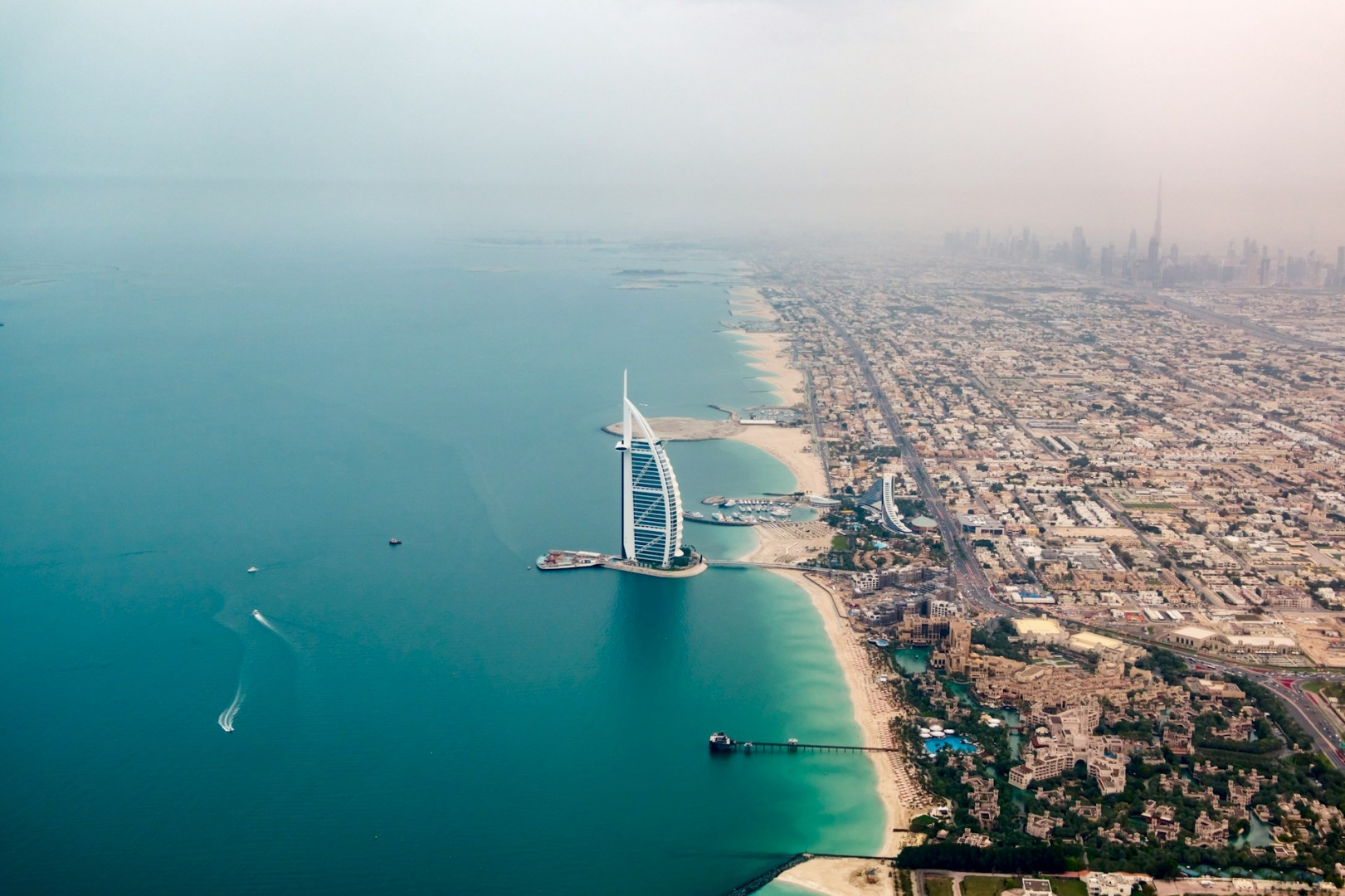
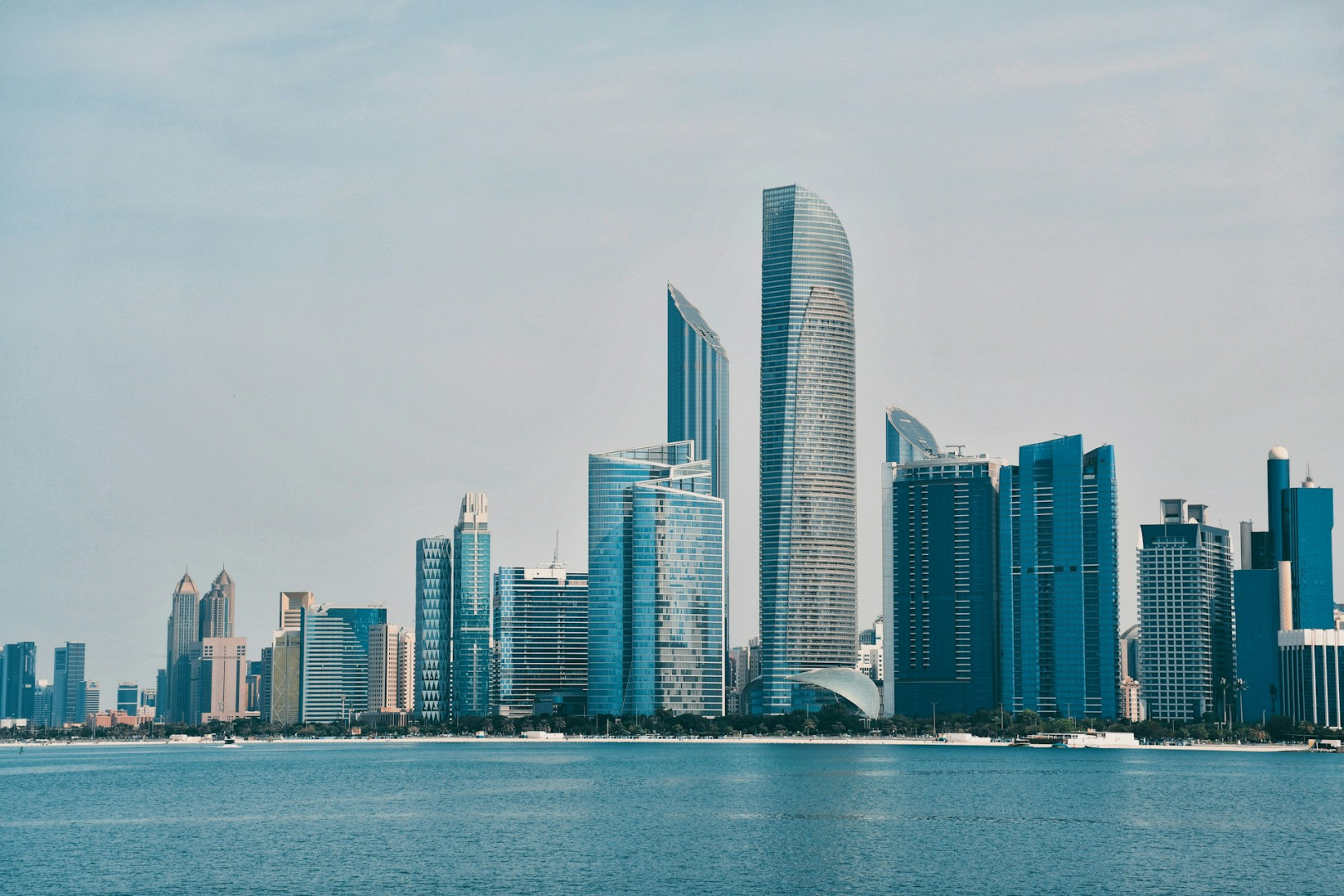
Dubai is widely known as the UAE's international business hub, famous for its fast-paced environment, innovation, and global connectivity. Abu Dhabi, the country's capital, offers a more structured and calm atmosphere while remaining one of the region's most economically powerful cities.

For professionals, entrepreneurs, and families planning long-term relocation in 2026, understanding how these two cities differ can help determine which environment better supports their career goals, lifestyle preferences, and investment strategies.

Economic Opportunities and Career Environment

One of the most important factors when choosing where to live long-term is the professional landscape. Dubai and Abu Dhabi have developed distinct economic profiles that attract different types of professionals.

Dubai has built its reputation as the commercial and entrepreneurial center of the Middle East. The city hosts regional headquarters for multinational companies, global logistics networks, financial institutions, technology startups, and international service firms. Industries such as tourism, finance, digital technology, aviation, and real estate drive a large part of the local economy.

Because of this diverse economic base, Dubai often provides broader opportunities for professionals working in private-sector industries. Entrepreneurs, consultants, remote workers, and startup founders tend to gravitate toward Dubai due to the city's strong business ecosystem and international networking environment.

Abu Dhabi, in contrast, functions as the administrative and political capital of the UAE. The city has historically developed around energy and oil industries, and many large government institutions, sovereign wealth funds, and energy corporations are headquartered there. Although Abu Dhabi has diversified into sectors such as finance, culture, and technology, government and energy-related industries still play a central role in its economic structure.

For professionals working in finance, energy, government projects, or infrastructure, Abu Dhabi can offer excellent long-term career opportunities. Meanwhile, those seeking a highly dynamic international business environment often find Dubai better aligned with their ambitions.

Lifestyle and Urban Atmosphere

While both cities provide world-class living standards, their daily rhythms feel quite different.

Dubai is known for its high-energy metropolitan lifestyle. The city is constantly evolving, with new restaurants, retail destinations, entertainment venues, and residential developments appearing every year. Events, conferences, and cultural activities happen throughout the year, creating a vibrant social environment.

The international character of Dubai is also noticeable in daily life. Residents come from all over the world, which influences the city's food scene, professional communities, and social networks. For people who enjoy a cosmopolitan lifestyle with constant activity, Dubai offers a uniquely global atmosphere.

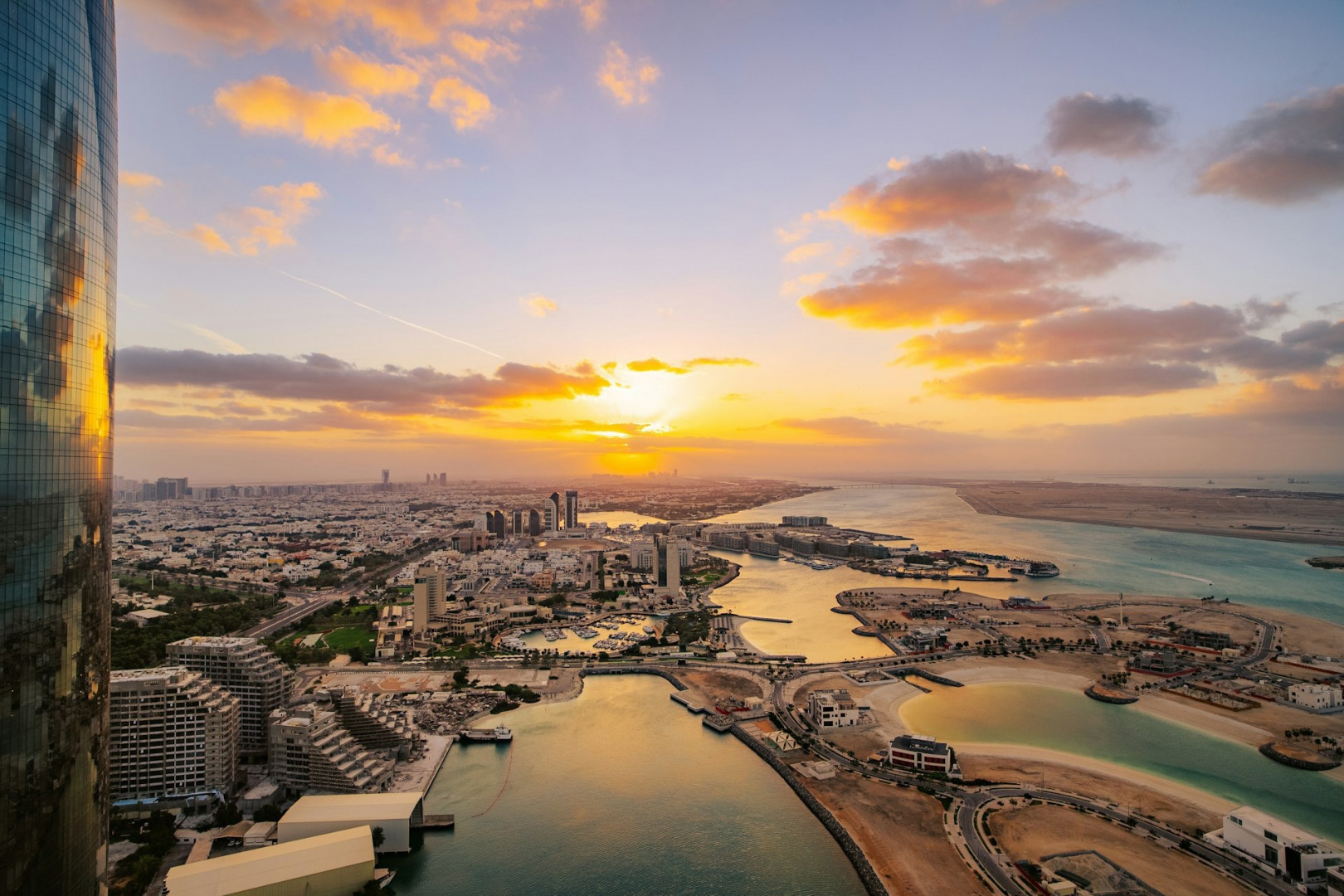
Abu Dhabi presents a more balanced and structured lifestyle. The city is less crowded, and its urban planning prioritizes spacious neighborhoods, waterfront promenades, and public parks. Although Abu Dhabi still offers luxury hotels, restaurants, and cultural venues, the pace of life tends to feel calmer.

For many families and professionals, this quieter environment provides a sense of stability that can be particularly appealing for long-term living.

Housing and Residential Communities

The residential property markets in Dubai and Abu Dhabi differ significantly in terms of scale and diversity.

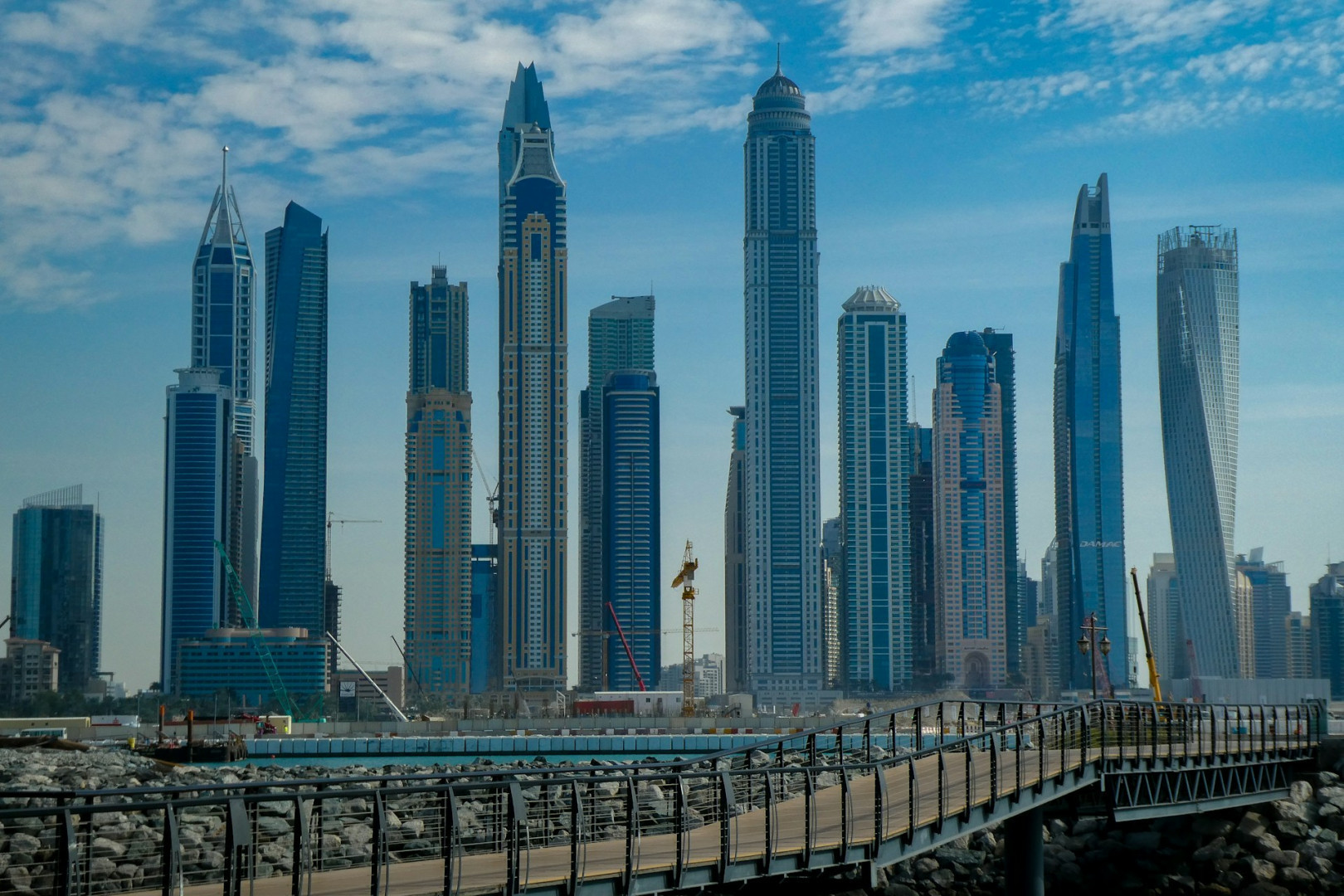
Dubai offers an extremely wide range of residential environments. Residents can choose between waterfront apartments, luxury penthouses, gated villa communities, golf course developments, and branded residences. Areas such as Dubai Marina, Downtown Dubai, Palm Jumeirah, Dubai Hills Estate, and Arabian Ranches each offer distinct lifestyles and price ranges.

This diversity allows residents to select housing based on specific priorities such as proximity to business districts, beach access, family infrastructure, or investment potential.

Abu Dhabi's residential areas tend to focus more on planned family communities. Developments such as Saadiyat Island, Yas Island, and Al Raha Beach combine villas and apartments with schools, parks, and waterfront access. These communities are designed to support long-term residency and family life rather than short-term relocation.

While Dubai provides greater housing variety and flexibility, Abu Dhabi often offers larger residential spaces and quieter neighborhoods.

Cost of Living Comparison

Both cities are considered premium locations in the Middle East, but the cost of living varies depending on lifestyle choices and residential areas. Dubai offers a broader range of price points. Residents can choose between high-end luxury districts and more affordable suburban communities. This flexibility allows individuals and families to adjust their housing and lifestyle expenses according to their budget. Abu Dhabi generally has a slightly more uniform pricing structure. Housing in prime areas can be comparable to central districts in Dubai, although properties are often larger in size.

Daily expenses such as groceries, transportation, and utilities remain relatively similar in both cities, meaning the biggest cost difference usually comes from housing choices.

Education and Family Infrastructure

Families relocating to the UAE often consider education as one of the most important factors when choosing where to live.

Dubai has a larger number of international schools due to its larger population. These institutions offer British, American, International Baccalaureate (IB), and other curricula, attracting families from diverse backgrounds. However, because of high demand, waiting lists for the most reputable schools can sometimes be long.

Abu Dhabi also has a strong network of international schools, many of which have well-established academic reputations. Because the city's population is smaller, competition for school placements can sometimes be less intense.

In terms of family infrastructure, both cities provide excellent recreational facilities including sports complexes, parks, playgrounds, and community centers designed for residents with children.

Cultural Life and Leisure Opportunities

Dubai is internationally recognized for its entertainment and tourism infrastructure. Residents have access to some of the largest shopping malls in the world, global dining concepts, beach clubs, music festivals, and international events.

The city's hospitality sector continues to grow rapidly, providing residents with a wide variety of leisure activities throughout the year.

Abu Dhabi focuses more heavily on culture and heritage. Major cultural institutions such as Louvre Abu Dhabi and the Sheikh Zayed Grand Mosque have positioned the city as a regional cultural center. Saadiyat Island's cultural district is also expanding, with additional museums and art institutions planned.

Residents who prioritize museums, art exhibitions, and cultural programming may find Abu Dhabi's environment particularly appealing.

Transportation and Global Connectivity

Transportation infrastructure is another important factor for long-term residents.

Dubai offers the UAE's most extensive public transportation system. The Dubai Metro, tram network, buses, and water transport services allow residents to move around the city without relying entirely on private vehicles.

Abu Dhabi remains more car-oriented, although the road network is highly developed and traffic congestion is typically lighter than in Dubai.

When it comes to international travel, Dubai International Airport is one of the world's busiest aviation hubs, offering extensive connections across Europe, Asia, Africa, and the Americas. Abu Dhabi International Airport also offers strong connectivity but with a slightly smaller global network.

Climate and Outdoor Lifestyle

Although both cities share a desert climate, their outdoor environments differ slightly due to urban design and access to nature.

Dubai offers a wide variety of outdoor lifestyle environments, including beach districts, waterfront promenades, desert-edge communities, and large landscaped parks. Areas such as Dubai Hills Estate provide green spaces, jogging tracks, and cycling routes that encourage an active lifestyle.

Abu Dhabi, meanwhile, offers some of the UAE's most spacious waterfront areas. The Corniche is one of the longest coastal promenades in the region and serves as a central outdoor gathering space for residents.

People who prioritize vibrant beach districts and nightlife often prefer Dubai, while those seeking calmer outdoor spaces and parks may feel more comfortable in Abu Dhabi.

Real Estate Investment Perspective

For property investors, Dubai has historically attracted greater international attention due to its large market size and high transaction volume.

The city offers:

  • freehold ownership zones for foreign buyers
  • strong tourism demand supporting rental markets
  • large-scale development projects
  • branded residences and luxury real estate options

These factors contribute to higher market liquidity and a more dynamic investment environment.

Abu Dhabi's real estate market is smaller but often considered more stable. Many buyers are long-term residents rather than short-term investors, which creates a different market dynamic.

For investors seeking global exposure and strong rental demand, Dubai is often the preferred choice. Those seeking stable long-term property ownership may find Abu Dhabi appealing as well.

Quick Comparison Overview

Category Dubai Abu Dhabi
Economy International business hub Government and energy sectors
Lifestyle Fast-paced and cosmopolitan Calm and structured
Housing Variety Very diverse Family-oriented communities
Cost Flexibility Wide price range More uniform pricing
Culture Entertainment and nightlife Museums and heritage
Transportation Metro and public transport Car-oriented
Investment Market High liquidity Stable growth

Dubai and Abu Dhabi are both exceptional cities for long-term living. Each offers safety, modern infrastructure, and strong economic opportunities. Dubai stands out for its global business environment, vibrant lifestyle, and diverse housing options. Abu Dhabi offers a calmer atmosphere, spacious residential communities, and a strong cultural identity. The right choice ultimately depends on personal priorities: whether one prefers the energy of a rapidly evolving global city or the stability of a structured capital environment.

Frequently Asked Questions

Is Dubai more expensive than Abu Dhabi?
Costs depend on location and lifestyle, but Dubai offers a wider range of housing options across different price levels.

Which city is better for families?
Both cities are family-friendly, though Abu Dhabi is often considered quieter and more structured.

Can people commute between Dubai and Abu Dhabi?
Yes. The drive between the cities usually takes around one to one and a half hours.

Which city has better job opportunities?
Dubai generally offers a broader international job market, particularly in private-sector industries.

At DDA Real Estate, we help international buyers and relocating professionals navigate the UAE property market with confidence.

Our team provides:

  • personalized selection of residential communities in Dubai and across the UAE
  • comparison of investment opportunities in different districts
  • analysis of rental demand and long-term property value
  • full сопровождение сделки при покупке недвижимости

If you are planning to relocate to the UAE or invest in property, contact DDA Real Estate for expert guidance and access to carefully selected residential projects across Dubai and other key emirates.

Popular
5 June 3028662 view
Dubai Rent Prices 2025: Average Apartment Rental Costs in Dubai Dubai's rental market continues its upward climb in 2025, driven by population growth and limited new supply, pushing average prices up by 10%
#Blog DDA
2 July 1886346 views
DLD Fees in Dubai: Everything You Need to Know Buying property in Dubai? Don't let hidden fees surprise you! Our essential guide breaks down ALL Dubai Land Department (DLD) fees
#Blog DDA
5 July 1133559 views
How Much is the Real Estate Agent Commission in Dubai? Find out how much real estate agent commission costs when buying property in Dubai.
#Blog DDA
5 February 994140 views
How Foreigners Can Own Property in Bali: Understanding PT PMA (2025) Foreigners can't own freehold land in Bali, but a PT PMA (foreign-owned company) allows secure property ownership under Hak Guna Bangunan (HGB) or Hak Pakai (HP) rights
#Blog DDA
28 August 758331 view
Oqood vs Title Deed in Dubai: Key Differences You Must Know Buying property off-plan in Dubai? Oqood registration is mandatory to secure your ownership rights.
#Blog DDA
2 January 672399 views
Mortgage in Thailand: interest rates for foreigners Learn about mortgage options for foreigners in Thailand, including bank loans, developer financing, and eligibility criteria. DDA Real Estate offers expert guidance
#Blog DDA