
Off-plan properties
Over the past decade, Turkey has become one of the fastest-growing destinations for international students. What was once seen primarily as a regional education hub is now a realistic alternative to Western Europe, the UK, and North America for students seeking internationally oriented education without excessive financial and administrative barriers.
Today, interest in higher education in Turkey is driven not only by affordability. Students and parents are attracted by a combination of recognized academic standards, English-taught programs, flexible admissions, lifestyle advantages, and long-term planning opportunities. This guide explains why Turkey continues to gain attention as an education destination and who it is best suited for.
One of the key reasons students consider higher education in Turkey is the international alignment of its university system.
Many Turkish universities participate in the Bologna Process, which harmonizes degree structures, credit systems (ECTS), and academic standards with the European Higher Education Area. This makes Turkish degrees more transparent and easier to evaluate for further studies or employment abroad.
It is important to note that recognition depends on the specific university and program, not simply on the country. Well-established public universities and leading private institutions tend to have stronger international standing, particularly in engineering, medicine, business, architecture, and social sciences.
For families, this framework reduces uncertainty and allows education in Turkey to fit into a broader international academic trajectory.
Language is often a decisive factor when choosing a study destination.
In response to global demand, Turkish universities have significantly expanded the number of programs taught fully in English, especially at bachelor's and master's levels. These programs are most common in fields such as engineering, business administration, international relations, IT, and health sciences.
At the same time, students are encouraged to learn Turkish during their studies. While not always required academically, Turkish language skills improve everyday integration and can become an additional professional advantage for those considering regional careers.
Affordability remains one of Turkey's strongest competitive advantages.
Compared to traditional destinations such as the UK, Western Europe, or North America, tuition fees in Turkey are significantly lower, particularly at public universities and many private institutions. Living costs — including accommodation, transportation, food, and healthcare — are also more manageable.
This balance allows families to invest in international education without long-term debt pressure, making Turkey especially attractive for middle-income and globally mobile households.
Another important driver of interest is the flexibility of admission processes.
Many Turkish universities offer multiple intake periods and alternative evaluation methods. While standardized exams may still apply for certain programs, admission is often based on school transcripts, interviews, or faculty-level assessment rather than a single centralized exam.
This flexibility creates opportunities for students who may have missed deadlines elsewhere or are seeking a second admission cycle without losing an academic year.
Turkey has developed a wide range of foundation and preparatory programs designed specifically for international students.
These programs help students improve academic English, adapt to international teaching methods, and prepare for faculty-specific requirements. For students who meet academic standards but need additional preparation, this transitional stage significantly increases long-term success.
This approach reflects a system focused not just on enrollment, but on student performance and retention.
The Turkish government actively supports international education through initiatives such as Türkiye Scholarships, which may include tuition coverage, accommodation, monthly stipends, and health insurance.
In addition, many universities offer merit-based or need-based scholarships for international students. While competition exists, the availability of structured financial support increases accessibility and diversity within the student population.
Legal clarity is a critical factor for international students and their families.
Turkey offers a structured and renewable student residence permit system, allowing students to legally remain in the country for the duration of their studies. This predictability is particularly valuable for families planning multi-year education abroad.
Compared to more restrictive visa regimes, Turkey's system is generally viewed as practical and stable, reducing administrative stress.
Universities in Turkey have invested heavily in campus infrastructure and student services.
Modern campuses typically include advanced laboratories, libraries, dormitories, sports facilities, and dedicated international offices. Student life extends beyond academics through clubs, cultural activities, and international communities.
This environment helps international students integrate quickly and build social and professional networks.
Turkey's geographic position between Europe and Asia provides students with unique cultural and academic exposure.
Studying in Turkey means access to diverse perspectives, regional travel opportunities, and daily interaction with students from different cultural backgrounds. This international environment supports adaptability and global awareness — qualities increasingly valued by employers.
Higher education in Turkey increasingly emphasizes practical skills and employability.
Universities cooperate with local and international companies, offering internships, research projects, and industry collaboration. While employment opportunities after graduation depend on visa status and employer sponsorship, students gain valuable exposure to real business environments.
Graduates with international education, English proficiency, and regional experience are often competitive in global job markets.
Safety and quality of life play a significant role in education decisions.
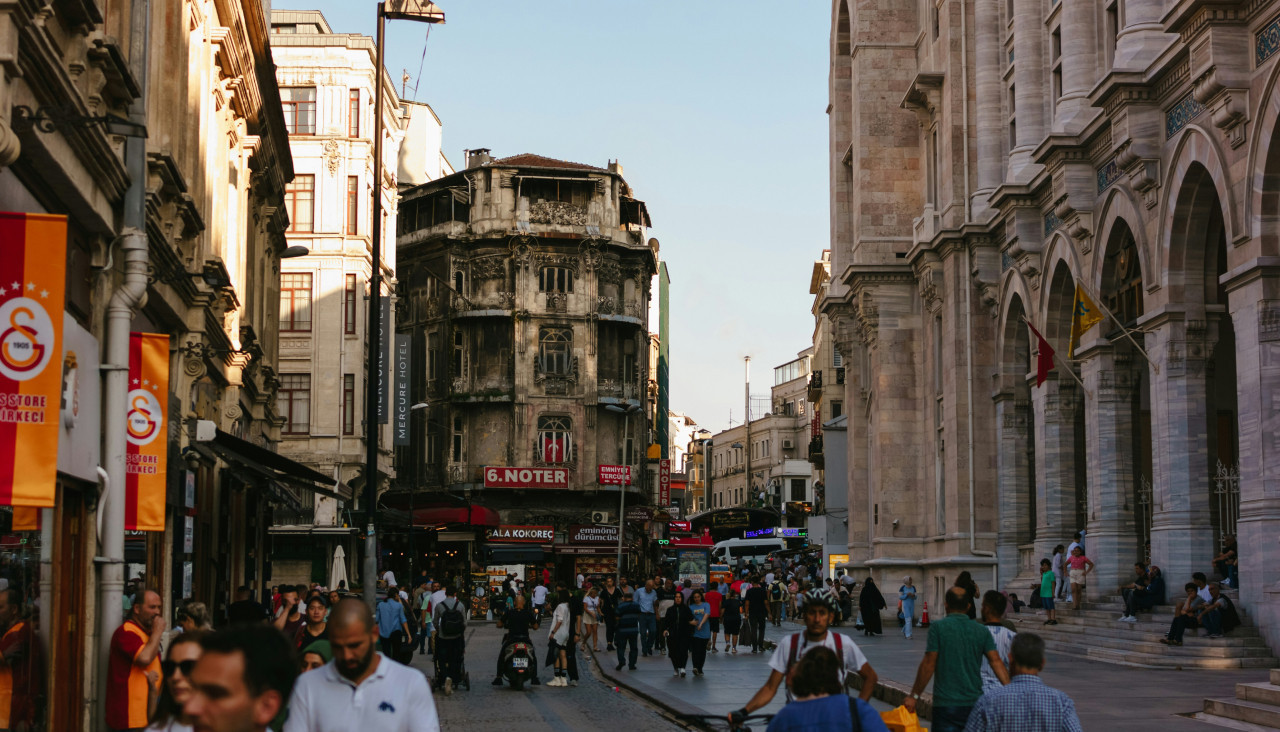
Major university cities such as Istanbul, Ankara, Izmir and Antalya offer developed public transport, healthcare access, cultural life, and diverse housing options. Turkey's hospitality culture also helps international students adapt more comfortably.
For parents, this balance between independence and security is a strong advantage.
International demand in Turkey is strongest for:
Each level represents a different strategy, and families should evaluate universities and programs accordingly.
Turkey may be less suitable for students whose primary goal is:
In such cases, Turkey works better as a practical international education option, not as a prestige-driven academic destination.
For many families, studying in Turkey is part of a broader long-term plan.
Education can support future residence options, local employment pathways, or gradual relocation. Some families later consider property ownership or long-term living arrangements, turning education into a foundation for stability rather than a temporary stage.
| Factor | Turkey | Western Europe / UK |
|---|---|---|
| Tuition fees | Lower | High |
| Living costs | Moderate | High |
| English programs | Widely available | Widely available |
| Admission flexibility | High | Limited |
| Legal stability | Predictable | Often restrictive |
| Cultural exposure | Very high | High |
Turkey offers a balanced alternative combining quality education, affordability, and global exposure.
Prospective students are increasingly interested in higher education in Turkey because it delivers recognized degrees, English-taught programs, flexible admissions, manageable costs, and legal stability.
For students and families seeking international education without excessive financial or administrative pressure, Turkey represents a practical and forward-looking choice.
For many families, education in Turkey is only the first step. The next question is often practical: where to live, how to plan long-term, and how education fits into relocation or investment decisions.
At DDA Real Estate, we help international students and families with:
If higher education in Turkey is part of your future plans, contact DDA Real Estate — we help you think beyond the university choice and build a stable, well-planned next step.