Off-plan properties
Three years of sustained growth, record transaction volumes, and an influx of ultra-high-net-worth buyers that outpaced London, Singapore, and Geneva in 2024. The question most investors and relocants are asking in 2026 is no longer whether Dubai's property market has substance — it clearly does. The question is where it goes from here, which segments still have room to run, and where the risk of overpaying is real.
Dubai's property market entered 2026 from a position of structural strength. The off-plan segment dominates active supply — and the vast majority of what is currently in the pipeline delivers between 2026 and 2029, with 2027 and 2028 representing the largest concentration of incoming stock.
The pipeline is substantial. 2027 and 2028 together account for the majority of current off-plan supply — which means the market will absorb a significant volume of new stock over the next two years. This is the most important structural variable for price forecasting: how well that supply is absorbed will determine whether 2026–2028 is a consolidation phase or a continuation of the upward cycle.
The early evidence is constructive. Population growth continues — Dubai passed 3.7 million residents in 2024 and is tracking toward 4 million — and the HNWI inflow that accelerated from 2022 shows no signs of reversal. Demand is not speculative; it is demographic.
Price-per-sqm is the most honest comparison metric across Dubai's fragmented market. It strips out unit size differences and reveals true location premiums.
| District | Avg Price/sqm | Range | Market Positioning |
|---|---|---|---|
| Palm Jumeirah | $21,982 | $15,730 – $27,753 | Absolute premium, global brand |
| Business Bay | $11,776 | $4,617 – $24,759 | Wide range — ultra-luxury to mid-market |
| Dubai Marina | $10,347 | $6,401 – $18,357 | Premium coastal, consistent demand |
| Downtown Dubai | $8,287 | $3,574 – $14,099 | Landmark address, high liquidity |
| JLT | $7,700 | $6,849 – $8,849 | Corporate, tight range, stable |
| Dubai Creek Harbour | $6,642 | $6,266 – $6,929 | Emerging waterfront, Emaar quality |
| JVC | $4,274 | $3,246 – $5,460 | Accessible, high volume, strong yield |
| Dubai South | $3,043 | $3,043 | Entry-level, long-term appreciation play |
The spread between Palm Jumeirah and JVC — $21,982 vs $4,274 per sqm — illustrates how different the investment logic is across Dubai's sub-markets. Palm is a brand premium; JVC is a yield play. Neither is wrong — they are different instruments.
Off-plan purchases now account for the majority of transactions in Dubai — and for good reason. Developers offer payment plans that allow buyers to control assets worth multiples of their current cash outlay, with completion risk mitigated by RERA's escrow requirements.
Current off-plan supply by delivery year:
| Delivery Year | Units in Pipeline |
|---|---|
| 2026 | 205 |
| 2027 | 584 |
| 2028 | 539 |
| 2029 | 315 |
| 2030+ | 70 |
The 2027 and 2028 waves are the ones to watch. If absorption keeps pace with delivery — as it has through 2023–2025 — prices hold or appreciate. If the market softens, the largest pressure will fall on mid-market off-plan in districts with high competing supply: JVC, Dubai Land, and parts of Business Bay where inventory is densest.
Premium and branded segments are structurally more protected: supply is constrained by land and developer selectivity, and the buyer base — HNWI and institutional — is less interest-rate sensitive than mortgage-dependent buyers in other markets.
Developer quality matters in off-plan — it determines delivery risk, build quality, and resale liquidity. The current market is led by a mix of established majors and aggressive mid-tier developers.
| Developer | Active Listings | Positioning |
|---|---|---|
| Emaar | 81 | Blue-chip, benchmark quality, strongest resale market |
| Sobha | 64 | Premium, vertically integrated, known for delivery |
| Binghatti | 59 | Aggressive pricing, distinctive design, fast delivery |
| Object One | 44 | Mid-market, JVC focus, strong payment plans |
| Danube | 37 | Entry-level, high volume, accessible financing |
| Reportage Properties | 35 | Value segment, Dubai South and outlying districts |
| Damac | 34 | Luxury and branded, Palm and premium locations |
| BnW Developments | 34 | Mid-market, emerging districts |
Emaar's dominance is not just volume — it is the benchmark against which other developers are measured. An Emaar project in Dubai Hills or Creek Harbour carries an implicit liquidity premium that smaller developers cannot replicate. For investors focused on resale and exit strategy, developer selection is as important as location.
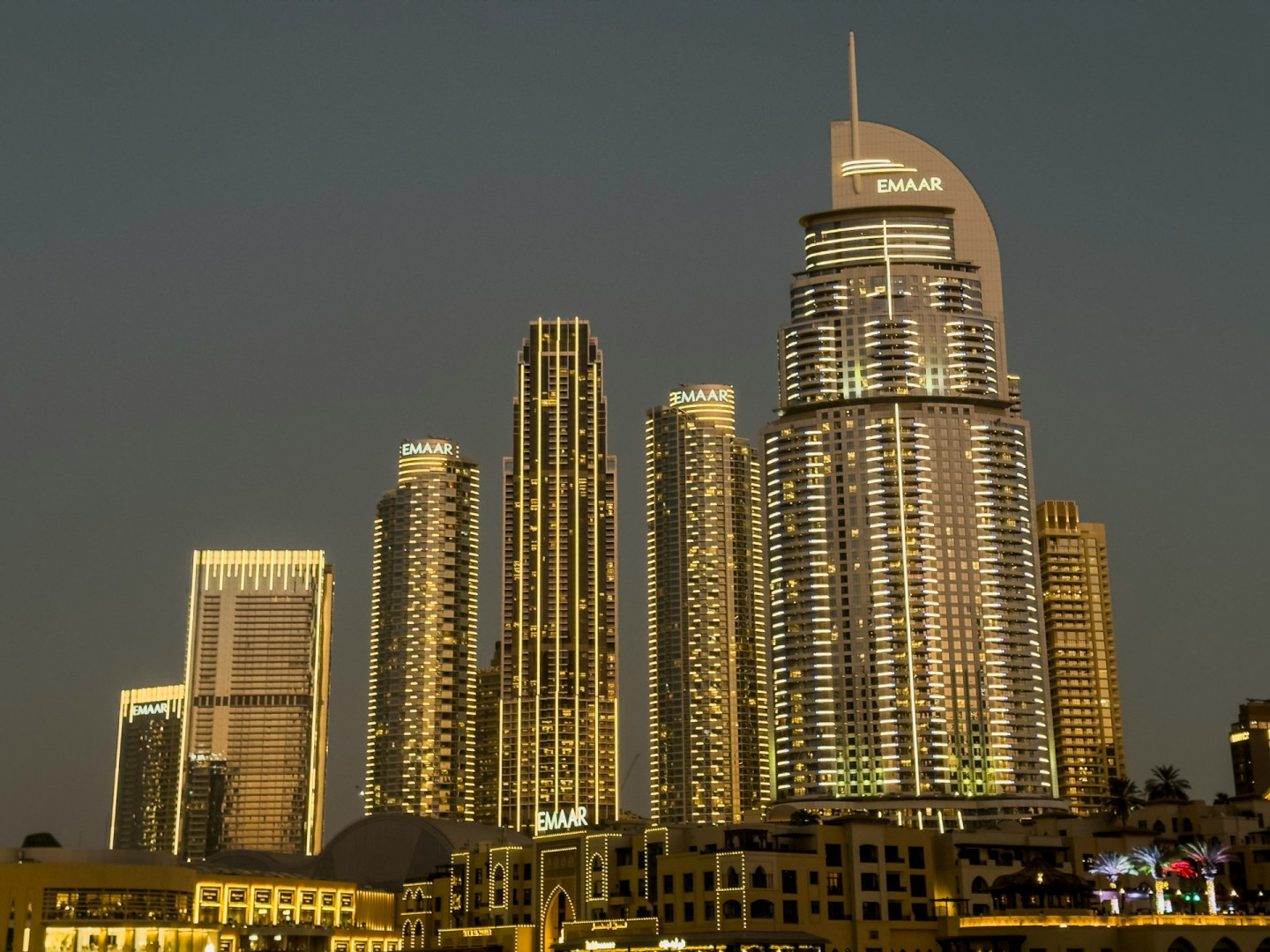
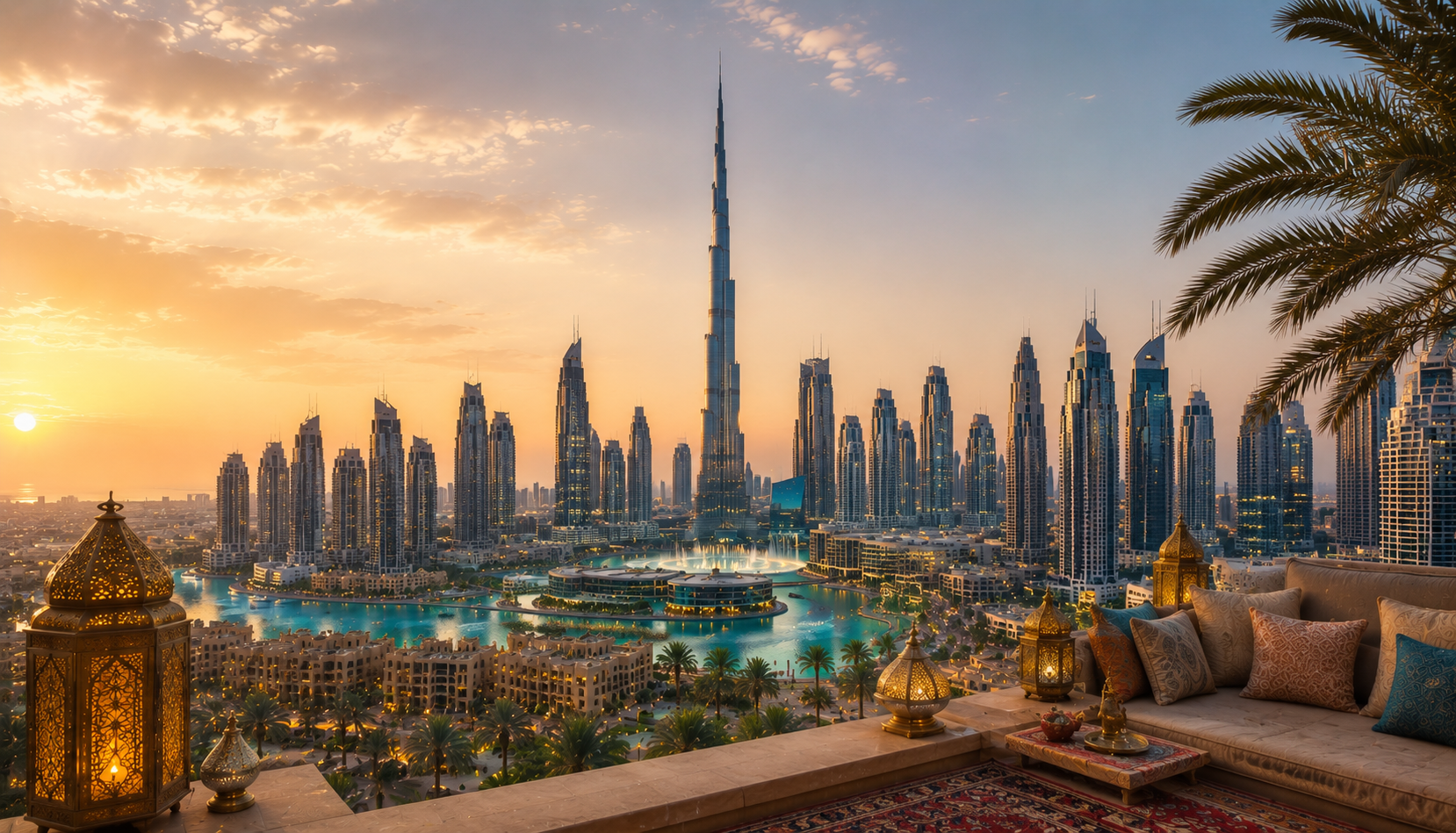
Downtown Dubai — The Liquidity Benchmark
Median price $1.75M, price/sqm averaging $8,287. Downtown is not where you find value — it is where you find the deepest secondary market in Dubai. When you need to exit, Downtown sells. That liquidity premium is worth paying for investors with uncertain time horizons.
Delivery skews toward 2027 and 2029 — the near-term 2026 stock is mostly absorbed. New launches at the ultra-luxury end ($5,000–$14,000/sqm) are pulling the average up, compressing the accessible entry point.
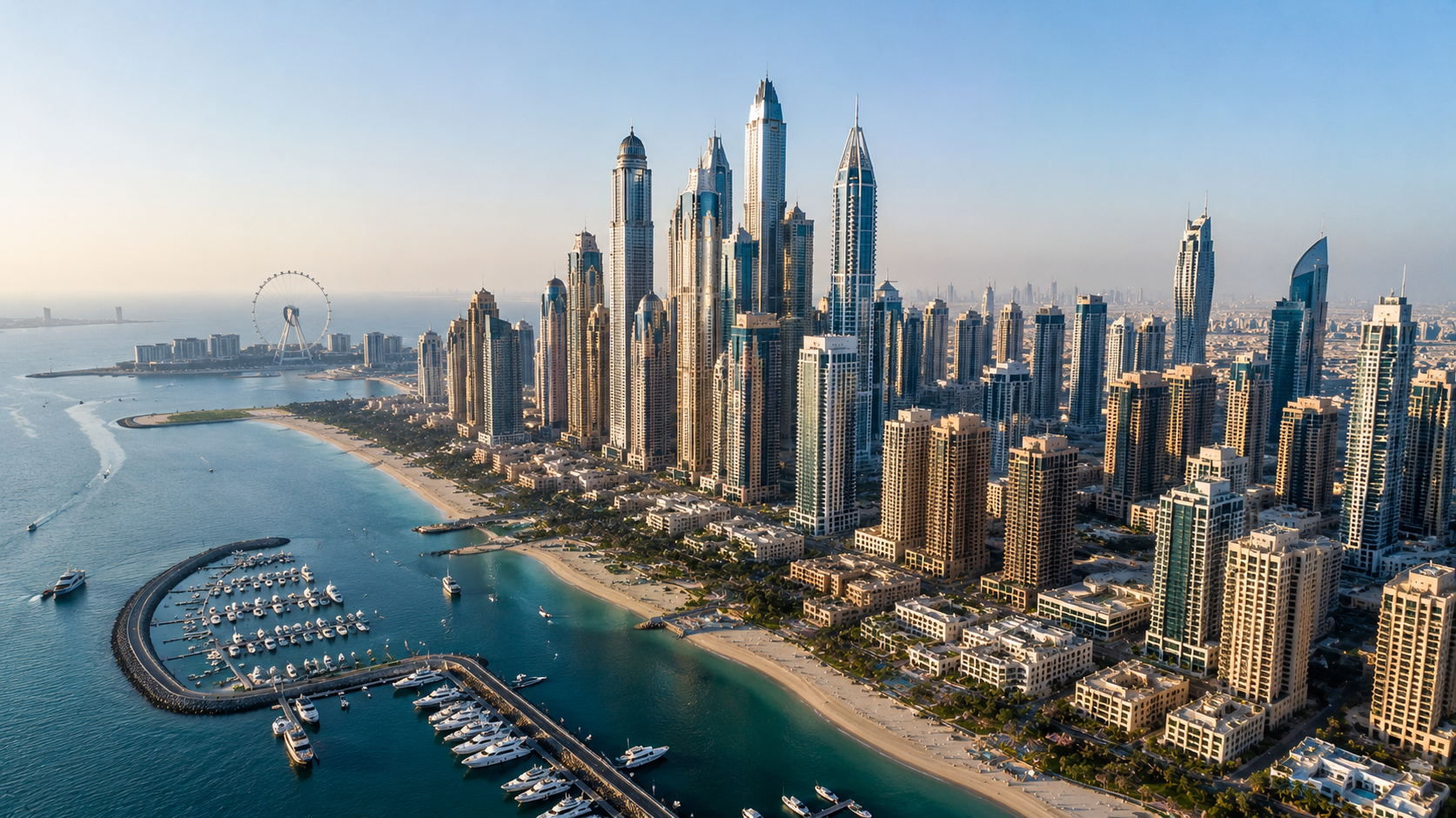
Dubai Marina — Consistent Performer
Median $1.18M, price/sqm $10,347. Marina's rental market is one of the most liquid in the city — high tourist and corporate demand year-round. The premium over Downtown on a per-sqm basis reflects beachfront and waterfront premiums on specific towers. Delivery concentrated in 2027–2028 means near-term supply is manageable.
Business Bay — The Widest Range in the Market
Median $1.35M but ranging from $283K to $28M — Business Bay is not one market, it is several. The ultra-luxury waterfront segment (One River Point, Canal-facing towers) trades at $15,000–$24,000/sqm. The mid-market inland segment sits at $4,000–$6,000/sqm. Knowing which Business Bay you are buying in matters more than the district name.
JVC — The Yield Engine
Median $404K, price/sqm $4,274. JVC delivers the strongest gross yields in Dubai — 7–9% is achievable at current pricing levels — and the highest transaction volume of any single district. 115 active listings across a wide range of developers means genuine price competition, which keeps entry costs down and vacancy rates low.
The risk: oversupply. JVC has more new units entering the market than any other district, and absorption depends on continued population growth into the mid-market segment. So far, demand has kept pace. But this is the district most exposed to a supply correction if broader market momentum slows.
Dubai Creek Harbour — The Emaar Premium at a Discount
Median $783K, price/sqm $6,642 — and every unit is Emaar. Creek Harbour is the most straightforward value proposition in Dubai right now: Emaar quality and brand, waterfront location, pricing materially below Marina or Downtown. The discount reflects the fact that the district is still forming — most stock delivers 2029–2030. For investors comfortable with a 3–4 year horizon, this is arguably the clearest risk-adjusted entry point in the current market.
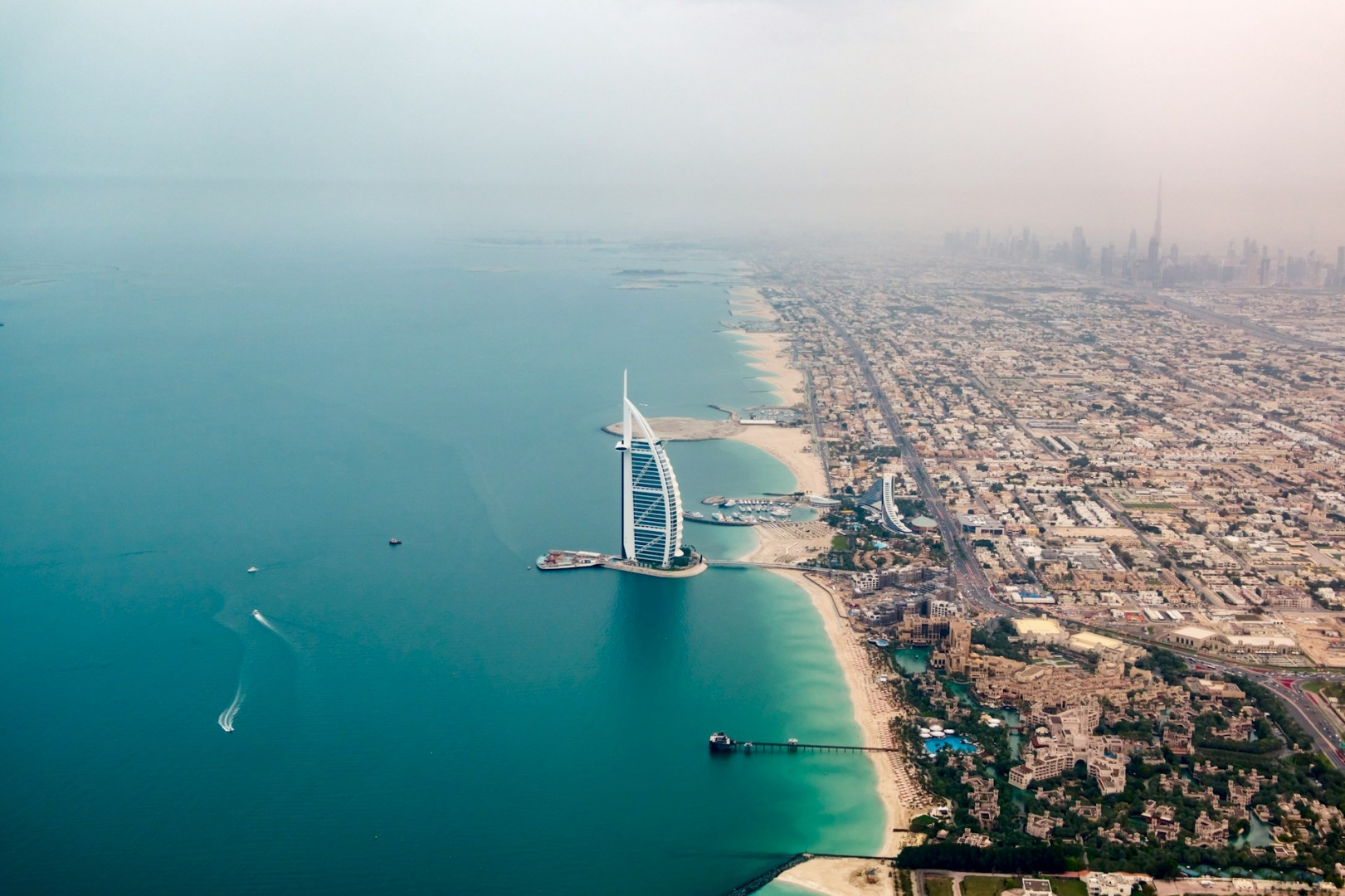
Palm Jumeirah — The Absolute Premium
Median $4.46M, price/sqm $21,982. Palm is not a yield investment — at these price levels, gross yields of 4–6% are the realistic ceiling. It is a capital preservation and lifestyle play, with the most globally recognizable address in Dubai real estate. Resale to a HNWI buyer pool means liquidity exists even at premium prices, but the investment case requires a long horizon and tolerance for modest yield.
Dubai South — The Long Game
Median $326K, entry from $174K — the most accessible district in Dubai and the one with the longest appreciation runway. Al Maktoum International Airport expansion, Expo City's ongoing development, and the concentration of logistics and free zone employment create structural demand. This is a 5–7 year thesis, not a 2-year flip. Patience is the price of admission.
Forecasting property prices is inherently imprecise — but the structural factors that will determine Dubai's trajectory are visible.
Bullish factors:
Risk factors to watch:
Consensus outlook: Most independent analysts project continued price growth of 5–10% in premium segments through 2026–2027, with mid-market growth moderating to 3–6% as supply increases. The ultra-luxury segment (Palm, Downtown flagship projects) is expected to outperform — constrained supply and a buyer pool insulated from financing costs.
The window for the easiest gains — 2020 to 2023 — has closed. Dubai is no longer a contrarian call; it is a mainstream investment destination with mainstream pricing in premium locations. That does not mean the opportunity is gone — it means the selection has to be sharper.
For investors: the best risk-adjusted entries in 2026 are Creek Harbour (Emaar quality at a district discount), JLT (stable corporate yield at mid-market pricing), and Dubai South (long-horizon appreciation with minimal entry cost). JVC remains viable for yield-focused buyers willing to accept near-term supply risk.
For relocants: the market is pricing in Dubai's quality of life — which means buyers are paying for what they get. The school-proximity premium in Jumeirah, Al Barsha, and Dubai Hills is real and justified. The waterfront premium in Marina and Creek Harbour reflects genuine lifestyle value. Buying in the right district for your life, not just your spreadsheet, remains the most durable decision framework.
Is Dubai's property market overheated in 2026?
Premium segments are priced at levels that reflect genuine demand rather than speculation — sustained HNWI inflows, population growth, and zero property taxes underpin values; mid-market districts face more supply risk as the 2027–2028 delivery wave arrives.
Which Dubai district offers the best rental yield in 2026?
JVC consistently delivers 7–9% gross yield at current pricing — the strongest in the city — though net yield after service charges and management fees will be lower; Creek Harbour and JLT offer 5–7% with stronger resale profiles.
What is the price per square meter in Dubai compared to other global cities?
Dubai's premium districts average $8,000–$22,000 per sqm — materially below London ($15,000–$40,000), Hong Kong ($25,000–$50,000), or Singapore ($20,000–$45,000) for comparable quality and location, with the additional advantage of zero property and capital gains tax.
Should I buy off-plan or ready property in Dubai in 2026?
Off-plan offers better payment flexibility and typically lower entry prices with appreciation to delivery; ready property generates immediate rental income and eliminates construction risk — the right choice depends on your cash flow needs and time horizon.
Which developers carry the lowest delivery risk in Dubai?
Emaar, Sobha, and Damac have the strongest track records for on-time or near-time delivery and build quality; for off-plan purchases, RERA escrow protection applies to all registered developers regardless of size.
Is 2026 still a good time to enter the Dubai market?
The easiest gains are behind, but the structural case — tax efficiency, population growth, global hub status, and a pipeline of infrastructure investment — remains intact; entry point selection by district and developer matters more now than it did in 2021.
Dubai's property market in 2026 rewards analysis more than it rewards impulse. The broad strokes are positive — the fundamentals are sound, the demand is real, and the tax environment remains unmatched. But within that broad picture, the difference between a well-chosen asset and a poorly-chosen one is significant — and it comes down to district, developer, delivery timeline, and investment objective.
DDA Real Estate works with investors and relocants who want to navigate that selection process with clarity. Our team has direct access to inventory across all of Dubai's key districts, with the market knowledge to match assets to objectives rather than simply listing options. Contact a DDA advisor to discuss your entry point and find the right asset for your strategy in 2026.