Off-plan properties
Thailand is rapidly emerging as one of Asia's most attractive destinations for people seeking a healthier, more sustainable lifestyle. While beautiful beaches and tropical weather remain major attractions, a growing number of residents, investors and relocators are paying attention to a different trend: eco-living.
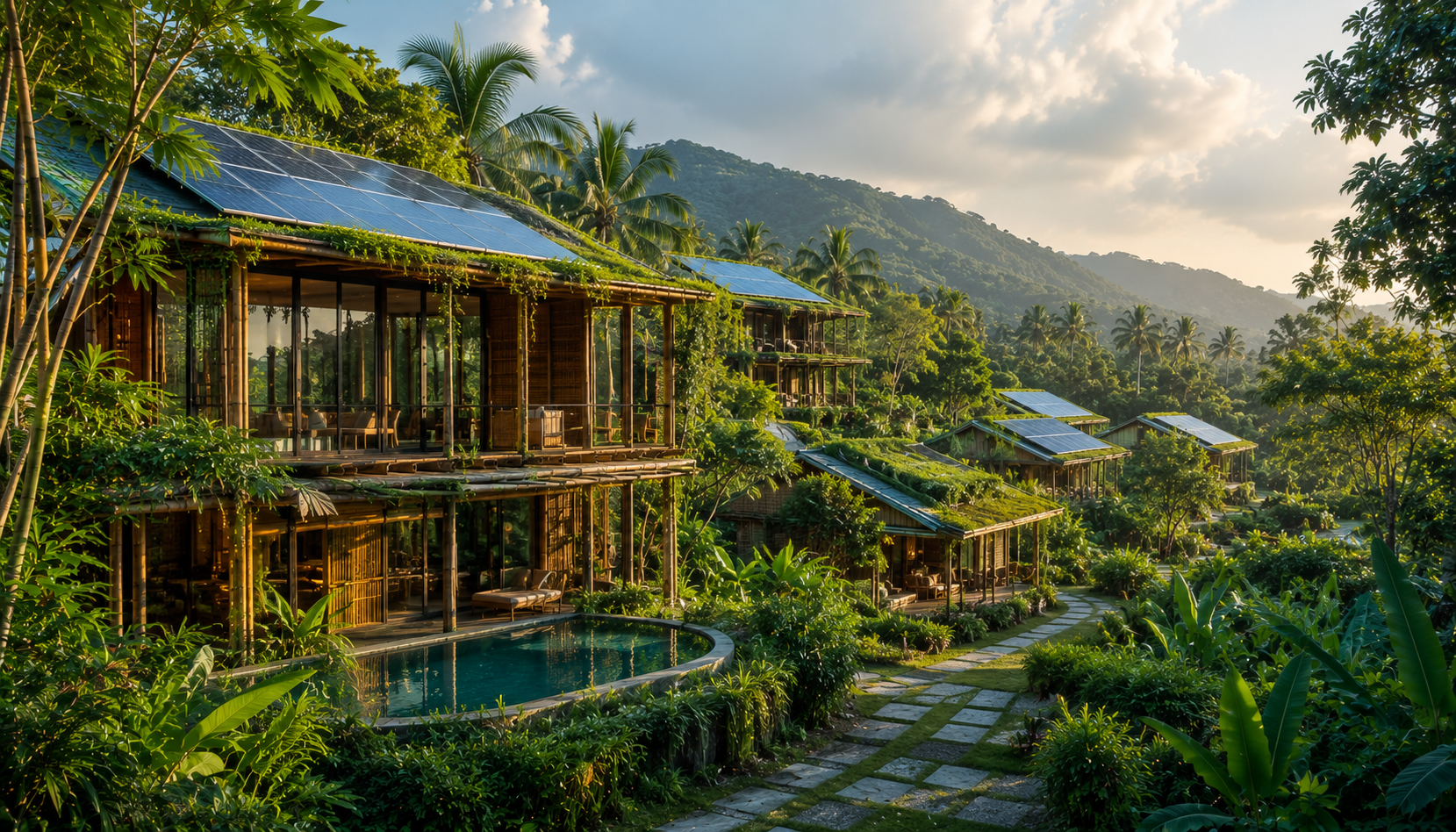
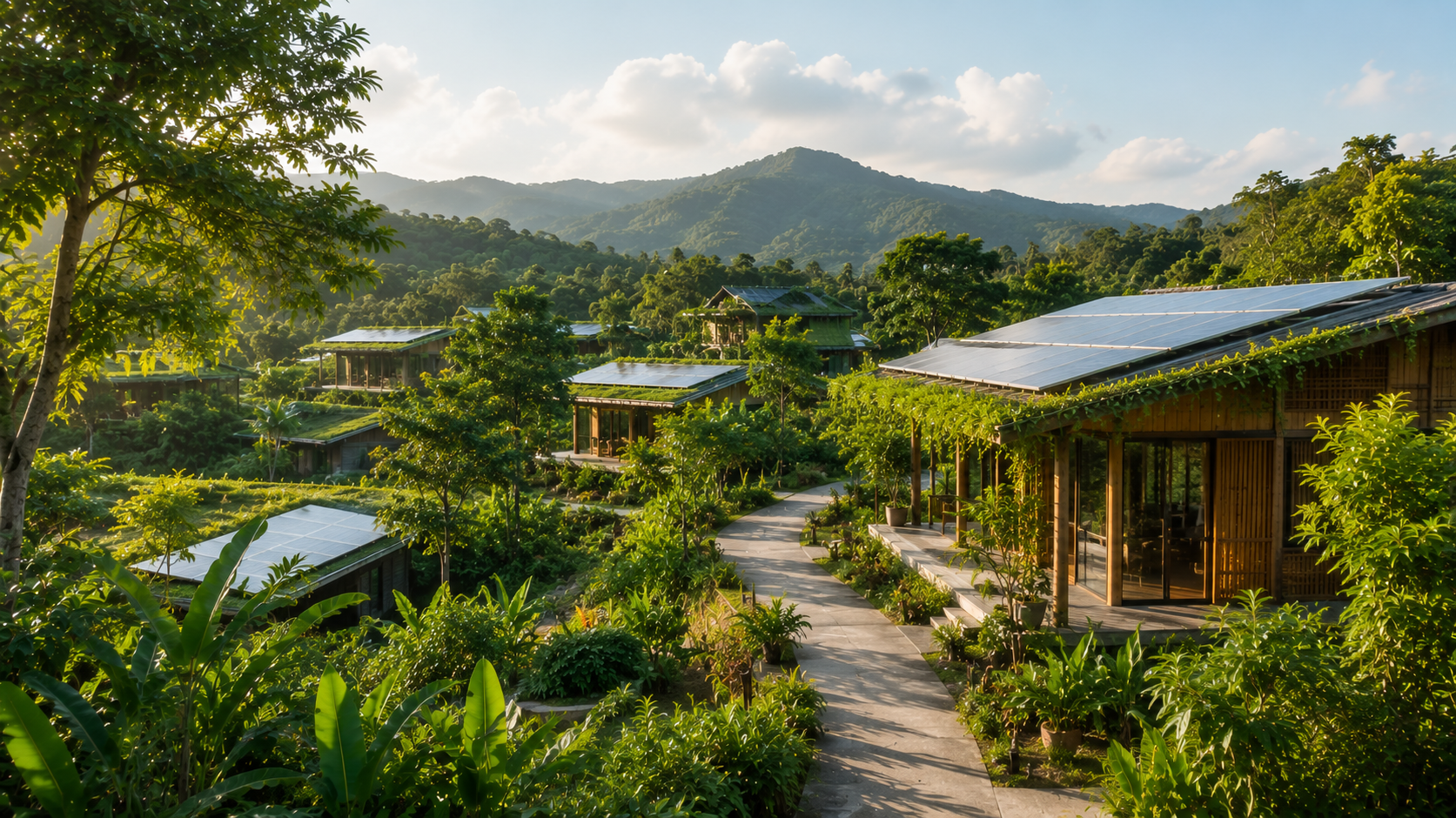
Across the country, developers are integrating energy-efficient technologies, sustainable construction materials, wellness infrastructure and environmentally conscious community planning into residential projects. From eco villas in Phuket to wellness communities on Koh Phangan and green-certified condominiums in Bangkok, sustainable real estate is becoming a distinct segment of the Thai property market.
For buyers, investors, digital nomads and retirees, understanding these trends can help identify locations and projects that combine quality of life with long-term value.
Eco-living is about creating homes and communities that reduce environmental impact while improving the well-being of residents.
In Thailand, sustainable living typically includes:
Unlike traditional residential developments that focus primarily on convenience and aesthetics, eco-friendly projects increasingly consider long-term environmental performance and resident health.
Several factors are driving demand for sustainable property in Thailand.
First, international buyers are becoming more environmentally conscious and increasingly expect sustainability features as part of modern housing.
Second, utility costs continue to influence purchasing decisions. Energy-efficient homes can reduce long-term expenses, particularly in Thailand's tropical climate where air conditioning is a major contributor to electricity consumption.
Third, many buyers now associate sustainability with healthier living environments, better air quality and stronger long-term investment potential.
A family choosing a villa in Bang Tao today may evaluate solar energy systems and natural ventilation just as carefully as proximity to the beach or international schools.
Energy-Efficient Design
Energy efficiency remains one of the strongest trends in sustainable real estate.
Modern developments increasingly incorporate:
These features can significantly reduce energy consumption in Thailand's hot climate.
Water Conservation Systems
Many eco-friendly developments now include:
As water management becomes increasingly important worldwide, these systems are attracting attention from environmentally conscious buyers.
Sustainable Construction Materials
Developers are also paying closer attention to the materials used during construction.
Common examples include:
These choices often improve indoor air quality while reducing environmental impact.
Smart Community Design
Sustainability is no longer limited to individual buildings.
Many modern developments now emphasize:
This creates neighborhoods that are not only environmentally friendly but also more enjoyable to live in.
One criticism often directed at sustainability discussions is that they remain too theoretical. In reality, Thailand already has several examples of eco-conscious development.
Laguna Phuket and Bang Tao Wellness Communities
The Laguna Phuket area has increasingly integrated sustainability principles through landscape management, environmental initiatives and wellness-oriented infrastructure.
Several new residential developments in Bang Tao are combining eco-friendly building concepts with wellness facilities, creating a growing market segment often referred to as wellness real estate.
Blue Tree Phuket
Blue Tree Phuket represents a broader approach to sustainable community development by combining recreation, green spaces and mixed-use planning within a large-scale destination.
While not a traditional residential project, it demonstrates how modern developments increasingly integrate environmental and community-focused design principles.
Koh Phangan Wellness Communities
Koh Phangan has become one of Thailand's leading destinations for conscious living.
Communities around Srithanu often focus on:
Green-Certified Developments in Bangkok
Bangkok continues to lead Thailand's green building movement, particularly in the commercial and premium condominium sectors. Many new developments pursue internationally recognized certifications such as LEED, WELL and TREES.
One of the most important developments in the property sector is the rise of wellness real estate. Unlike traditional eco-friendly housing, wellness-focused developments emphasize both sustainability and human health.
Typical features include:
This trend is particularly visible in Phuket and Koh Phangan, where many buyers prioritize lifestyle and longevity alongside property investment. For many international residents, wellness infrastructure has become just as important as traditional amenities.
Not all destinations offer the same sustainability ecosystem.
| Destination | Sustainability | Wellness | Community | Investment Potential |
|---|---|---|---|---|
| Phuket | High | High | High | High |
| Koh Phangan | Very High | Very High | Medium | Medium |
| Chiang Mai | High | Medium | High | Medium |
| Bangkok | High | Medium | High | High |
| Hua Hin | Medium | Medium | Medium | Medium |
Phuket
Phuket offers perhaps the strongest balance between eco-living, infrastructure and investment potential. Areas such as Bang Tao, Cherng Talay, Nai Harn and Rawai continue to attract environmentally conscious buyers.
Koh Phangan
The island remains Thailand's leading destination for alternative lifestyles, wellness communities and conscious living.
Chiang Mai
Northern Thailand appeals to buyers interested in community-based sustainability, local food systems and access to nature.
Bangkok
Bangkok leads in certified green buildings and sustainable urban development.
Hua Hin
Hua Hin attracts long-term residents looking for a quieter environment with growing interest in energy-efficient housing.
Many buyers wonder whether sustainable homes offer meaningful advantages.
| Category | Traditional Home | Eco-Friendly Home |
|---|---|---|
| Utility Costs | Higher | Lower |
| Indoor Air Quality | Standard | Improved |
| Energy Efficiency | Moderate | High |
| Environmental Impact | Higher | Lower |
| Resale Appeal | Standard | Increasing |
| Operating Costs | Variable | Often Lower |
While not every eco-friendly home guarantees savings, sustainable design often improves long-term efficiency.
Investors often ask whether sustainability translates into financial benefits.
| Feature | Potential Benefit |
|---|---|
| Solar Panels | Reduced electricity bills |
| Smart Cooling Systems | Lower air conditioning costs |
| Efficient Insulation | Better temperature control |
| Water Recycling Systems | Reduced water consumption |
| LED Lighting | Lower energy usage |
The exact savings vary by property and usage patterns, but energy-efficient homes can significantly reduce monthly operating expenses.
An increasingly important topic for investors is climate resilience.
Modern sustainable developments are paying greater attention to:
These considerations are becoming particularly important for long-term property ownership in tropical environments.
Certifications help buyers identify genuinely sustainable developments.
| Certification | Focus |
|---|---|
| LEED | Sustainability and energy efficiency |
| WELL | Health and occupant well-being |
| TREES | Thai green building standard developed by the Thai Green Building Institute |
| EDGE | Resource-efficient design |
While certification alone does not guarantee quality, it provides independent verification of sustainability claims.
Sustainable property is increasingly viewed as a separate investment category.
Buyers and tenants are paying more attention to:
As international demand continues to evolve, eco-friendly developments may enjoy stronger long-term competitiveness compared to conventional projects.
This trend is particularly relevant for investors targeting international tenants, digital nomads and long-term expatriates.
Many remote workers actively seek communities that support both productivity and well-being.
Popular priorities include:
This explains why areas such as Bang Tao, Srithanu and Chiang Mai continue to attract digital nomads looking for more than just a place to work.
The eco-living movement is still developing, but the direction is clear.
Future trends are likely to include:
As sustainability becomes increasingly mainstream, eco-friendly features may evolve from competitive advantages into standard expectations.
Useful materials: “Best Areas for Yoga & Wellness Living in Thailand”, “Thai Massage Etiquette: What to Expect & How to Choose a Reputable Spa”, “Best Gyms, Pools & Fitness Centers in Pattaya & Phuket”.
Are solar-powered homes common in Thailand?
They are becoming increasingly common, particularly in premium villas and modern residential developments.
What makes a property truly sustainable?
A sustainable property combines energy efficiency, responsible resource use, healthy materials and environmentally conscious design.
Which areas are best for eco-living in Thailand?
Phuket, Koh Phangan, Chiang Mai, Bangkok and Hua Hin are among the leading destinations.
Is wellness real estate growing in Thailand?
Yes. Wellness-focused communities are one of the fastest-growing segments of Thailand's property market.
Do eco-friendly homes have higher resale value?
While not guaranteed, growing buyer demand may improve long-term competitiveness and resale appeal.
Is sustainable real estate a good investment?
Many investors increasingly view sustainable property as a long-term trend supported by changing consumer preferences and global ESG priorities.
Whether you are searching for an eco-friendly villa in Phuket, a wellness-focused residence on Koh Phangan, a green-certified condominium in Bangkok or a sustainable retirement home in Hua Hin, DDA Real Estate can help.
Our team tracks emerging trends across Thailand's property market and helps clients identify projects that combine environmental responsibility, lifestyle quality and long-term investment potential.