Why Retire in Thailand? Cost of Living, Healthcare and Visas 2026
971 56 596-5009
day and night
Dubai
EN
$
ft²
Other articles

Why Retire in Thailand? Cost of Living, Healthcare & Visa Options for Expats

Tatyana Konovalova The author of the article, the Broker
#Blog DDA
20 May 12789 views

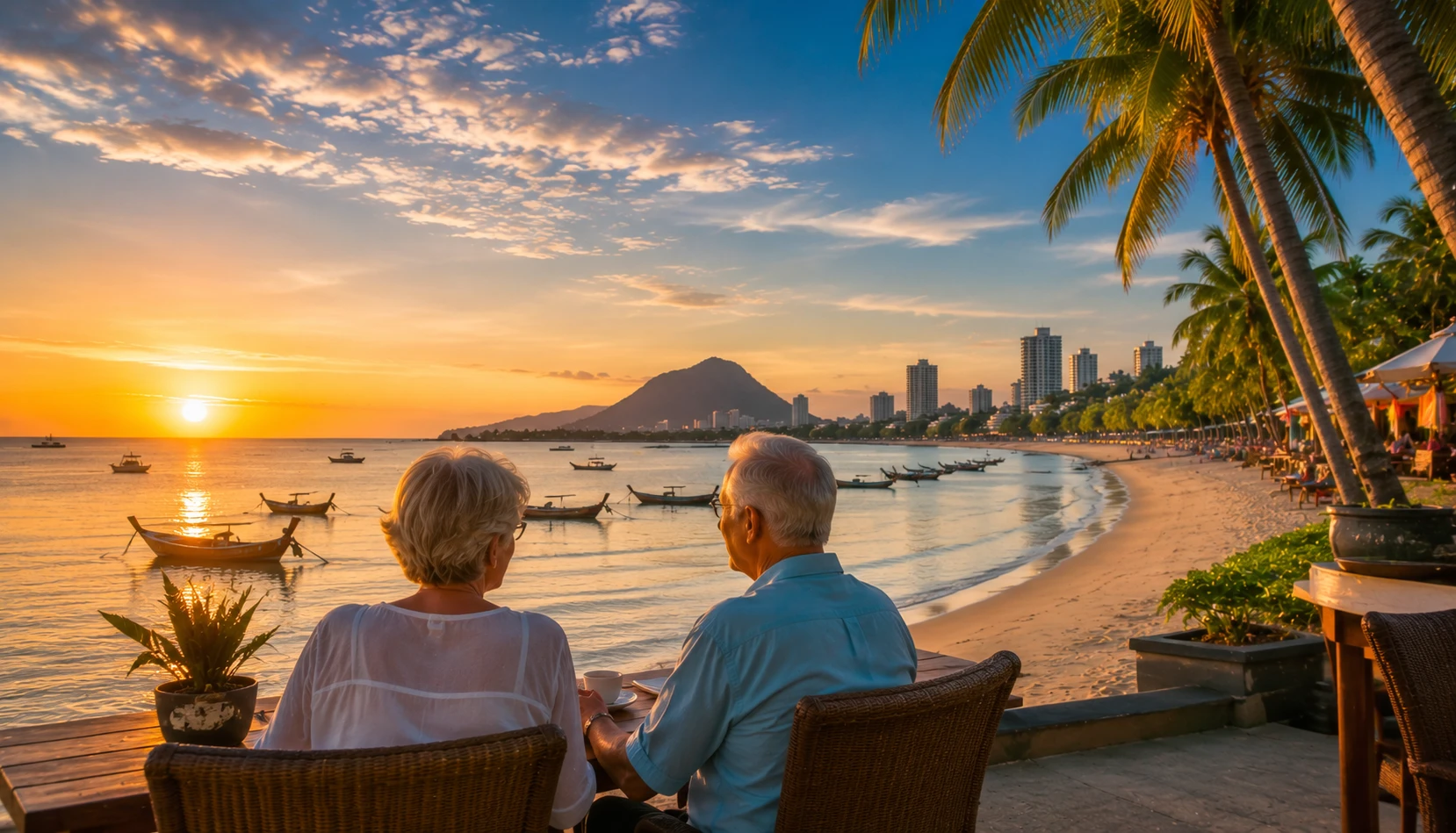
For more than two decades Thailand has been the default answer to a simple question that occurs to a lot of people approaching retirement: where can a modest pension buy a genuinely good life? A budget that funds a cramped, careful existence in Western Europe or North America stretches into something spacious and warm here — a condo near the beach, dinners out, private healthcare, and time. That is the headline, and it is true. But Thailand rewards the retiree who understands the fine print: the visa rules, the money you have to park in a Thai bank, the insurance that gets pricier with age, and the real difference between renting, owning a condo and leasing a villa. This guide walks through all of it — the honest cost of living, the healthcare that draws medical tourists from around the world, every practical visa route in 2026, where expats actually settle, and the property decision that sits underneath a comfortable retirement.

The Case for Thailand

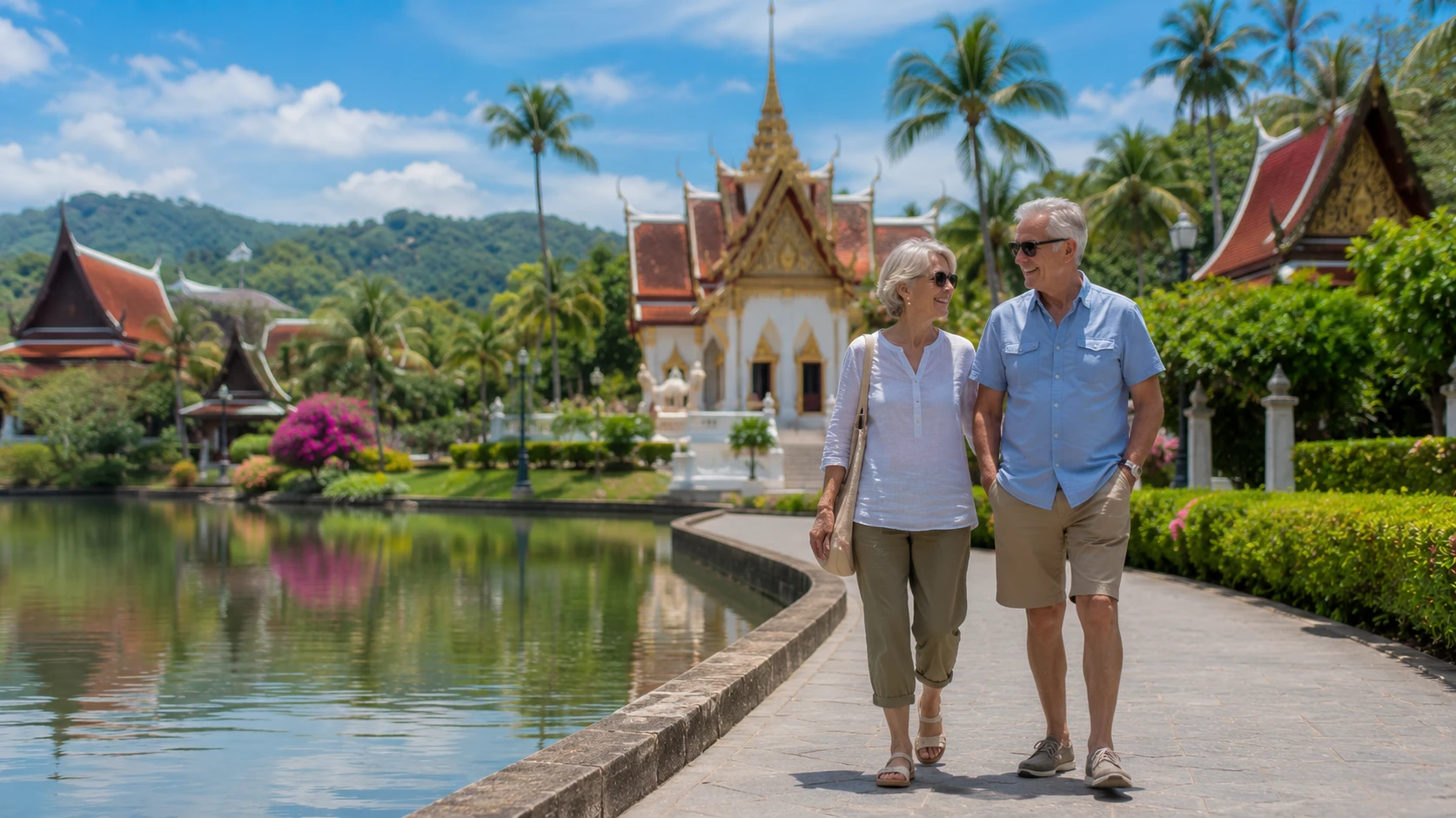
More than 80,000 foreigners already live here on the retirement visa alone, and the reasons repeat from one story to the next. The cost of living is the obvious one: outside the big cities, a couple can live comfortably on what a single person's rent might cost back home. The climate is warm year-round, which is not a trivial benefit when ageing joints are involved. The food is superb and cheap. The expat infrastructure is deep and decades old, so you are never the first foreigner your bank, hospital or landlord has dealt with. And the healthcare — the point that converts skeptics — is genuinely world-class at a fraction of Western prices. Add a rich culture, easy regional travel and a large, welcoming community, and the appeal is not a mystery. The rest of this guide is about turning that appeal into a workable plan.

Cost of Living: What It Really Takes

Numbers vary with lifestyle and location, but the shape is consistent. In lower-cost bases such as Chiang Mai or Hua Hin, a comfortable single retiree runs roughly 1,100 to 1,700 US dollars a month including rent; the widely cited "comfortable" threshold across the country is around 2,500 dollars, and in Bangkok or Phuket you should budget 2,000 to 3,500 for a similar standard. Here is a realistic monthly breakdown.

CategoryModest (Chiang Mai / Hua Hin)Comfortable
Rent (one-bedroom)$300–500$700–1,200
Food and dining$250–400$500–800
Utilities and internet$60–120$100–180
Transport$40–100$100–250
Healthcare and insurance$80–200$200–400
Leisure and extras$100–300$400–800
Approximate total$1,100–1,700$2,500–3,500

One caveat outranks the rest: currency. If your income is in dollars, pounds or euros, a strengthening baht quietly shrinks your budget, so it is wise to hold a year or two of expenses in baht as a buffer. For a granular, real-world sense of monthly spending, our cost-of-living guide to Pattaya breaks the categories down in detail.

Healthcare: World-Class and Affordable

Healthcare is the reason many retirees stop hesitating. Thailand is a global medical-tourism hub, and its leading private hospitals — Bumrungrad, Bangkok Hospital and Samitivej among them — are internationally accredited, English-speaking, and equipped to a standard that surprises first-time patients, all at roughly 50 to 80 percent of what the same treatment costs in the West. The public system is cheaper still but crowded and language-heavy, so most expats rely on private care backed by insurance. Two honest notes belong here. First, health insurance is mandatory on some visas and simply sensible on all of them. Second, and more importantly for budgeting, premiums climb steeply with age — a policy that is affordable at 55 can roughly triple by the late sixties, so factor rising cover into your long-term plan rather than your first-year one.

Visa Options: the Part That Trips People Up

There is no single "retirement visa" so much as a menu, and choosing the wrong one either locks up cash you did not need to lock up or buries you in annual paperwork. The four routes that matter for retirees compare like this.

VisaAgeMoney neededLengthBest for
Retirement (Non-O / O-A)50+THB 800k in bank or 65k/mo income, plus insurance1 year, renewableMost pension retirees
Thailand PrivilegeAnyFee from ~THB 650–900k5–20 yearsHassle-free, no deposit
LTR Wealthy Pensioner50+$80k/yr income (or $40k + $250k invested)10 yearsHigh income, tax perks
Non-O-X50+~THB 3M in a Thai bank10 years (5+5)Big deposit, fewer renewals

The classic retirement visa (Non-O / O-A)

This is what most people mean by "the retirement visa," open to anyone 50 or older. You qualify financially in one of two ways: keep 800,000 baht in a Thai bank account (seasoned two to three months before applying and kept above the threshold thereafter), or prove a monthly income of 65,000 baht, typically a pension. Since 2019 it also requires a Thai-recognised health policy meeting the minimum coverage set by the authorities. It runs a year at a time, renews indefinitely from inside Thailand, and comes with the compliance rhythm covered in the next section.

Thailand Privilege and the LTR

If you are under 50, prefer not to freeze 800,000 baht, or simply value your time, the Thailand Privilege membership (formerly Elite) buys a five-to-twenty-year stay for an upfront fee of roughly 650,000 to 900,000 baht, with no age or income test and concierge staff who handle your reporting. At the other end, the Long-Term Resident (LTR) "Wealthy Pensioner" visa suits high-income retirees: show around 80,000 dollars a year in passive income and you get a ten-year stay, annual (not quarterly) reporting, and a genuinely valuable exemption from Thai tax on remitted foreign income.

The Compliance Reality

The visa is not a one-time event; it is a set of habits. None of these is difficult, but each one cancels your status if you ignore it — so treat this as a checklist rather than fine print.

  • The re-entry permit trap: leave Thailand without one and your annual extension is voided the moment you fly out.
  • The 800,000 baht lock: the money must be seasoned before you apply and kept in place afterwards, earning near-zero interest — count that opportunity cost.
  • 90-day reporting: report your address every ninety days (online is easiest) or pay a fine.
  • Insurance escalation: premiums rise sharply with age, so budget for cover that grows more expensive each decade.
  • Renew early: file thirty to forty-five days before expiry, never on the day itself.
  • The 2024 tax rule: foreign income you remit into Thailand may now be taxable, so get a written tax opinion for your own situation.

Where to Retire in Thailand

Thailand is not one destination but several, and the right base depends on whether you want value, calm, city convenience or the beach.

PlaceCharacterSuits
Chiang MaiCool, affordable, cultural, big expat hubBest value and culture lovers
Hua HinCalm, dry, golf, close to BangkokQuiet living and golfers
BangkokUrban, top hospitals, well connectedCity lovers and medical needs
PhuketBeaches and resorts, pricierBeach life with a bigger budget
PattayaAffordable coast, huge expat sceneSocial, budget-conscious retirees
Koh SamuiRelaxed island, family-friendlyIsland living away from the rush

Chiang Mai consistently tops value rankings, Hua Hin and Pattaya balance coast with convenience, and the islands trade a little practicality for scenery. To weigh the property markets behind these choices, see our guide to where it is better to buy real estate in Thailand.

Renting vs. Owning: the Property Question

Most retirees rent first, and that is sound advice — a year on the ground tells you more about a neighbourhood than any brochure. But many eventually want a place of their own, and here the ownership rules shape the decision more than taste does. A foreigner can own a condominium freehold, in their own name, as long as the building's 49 percent foreign quota has room — and for a retiree this is the cleanest option, because it is genuinely yours with no clock ticking. A villa is different: you cannot own the land, so the house sits on a long lease, typically thirty years, which suits some but not those who want to pass property to heirs without complication. The honest summary is that Thailand is superb for cost-of-living retirees who are happy renting or owning a condo, and less suited to those set on freehold land. The ownership routes are laid out in our guide to freehold and leasehold ownership in Thailand; the purchase costs in our explainer on property purchase taxes; and the common misconceptions, including the tempting-but-illegal nominee structures, in our piece debunking the myths of foreign ownership.

Is Thailand Right for You?

It comes down to an honest self-assessment. Retirement in Thailand fits well if:

  • You have a stable pension and want it to stretch much further.
  • You value warm weather, excellent food and affordable private healthcare.
  • You are comfortable with light annual admin and with renting or owning a condo.

It is worth thinking twice if:

  • You want to own land or freehold property with no time limit.
  • You cannot keep 800,000 baht parked in a Thai bank and do not want the Privilege or LTR route.
  • You need guaranteed long-term legal permanence or an easy path to citizenship.

Frequently Asked Questions

How much do you need to retire in Thailand?

A modest life outside the big cities runs about $1,100–1,700 a month, while a comfortable standard is around $2,500.

What is the retirement visa in Thailand?

The Non-Immigrant O-A for those aged 50 and over, requiring 800,000 baht in a Thai bank or 65,000 baht monthly income, plus health insurance.

Do I need health insurance?

Yes for the O-A and O-X visas, and in practice everyone should carry it, since premiums rise sharply with age.

Is healthcare good in Thailand?

Yes — the leading private hospitals are world-class and internationally accredited, at roughly 50 to 80 percent of Western prices.

Can I own property when I retire?

You can own a condo freehold in your own name within the 49 percent foreign quota, but not land; a villa is held on a long lease.

What if I am under 50 or cannot lock 800,000 baht?

Consider the Thailand Privilege membership visa, or the LTR Wealthy Pensioner visa if you have high passive income.

Will I pay tax on my pension?

Possibly — since 2024, foreign income remitted to Thailand can be taxable, so get a written tax opinion for your circumstances.

Where do most expats retire?

Chiang Mai for value and culture, Hua Hin and Pattaya for calm and coast, and Phuket or Samui for island beach life.

From a Pension to a Place of Your Own

Retiring in Thailand is less about the plane ticket and more about landing well: the right city, the right visa, and a home that fits your budget and your plans. DDA Real Estate helps international retirees do exactly that — matching you to the right area, weighing renting against buying, choosing between a freehold condo and a leasehold villa, and handling the due diligence so the move is smooth rather than stressful. Come for the weather and the value; let us help you turn a comfortable retirement into a place you actually own. Start with our cost-of-living guide, then talk to us about the rest.

Popular
5 June 4071564 view
Dubai Rent Prices 2025: Average Apartment Rental Costs in Dubai Dubai's rental market continues its upward climb in 2025, driven by population growth and limited new supply, pushing average prices up by 10%
#Blog DDA
2 July 2358531 view
DLD Fees in Dubai: Everything You Need to Know Buying property in Dubai? Don't let hidden fees surprise you! Our essential guide breaks down ALL Dubai Land Department (DLD) fees
#Blog DDA
5 July 1681470 views
How Much is the Real Estate Agent Commission in Dubai? Find out how much real estate agent commission costs when buying property in Dubai.
#Blog DDA
23 November 1604295 views
How to Buy a SIM Card in Turkey in 2026: Prices, IMEI Registration, eSIM Options, and Best Mobile Operators Overview of mobile operators, available types of SIM cards, and home Internet providers
#Blog DDA
5 February 1384992 view
How Foreigners Can Own Property in Bali: Understanding PT PMA (2025) Foreigners can't own freehold land in Bali, but a PT PMA (foreign-owned company) allows secure property ownership under Hak Guna Bangunan (HGB) or Hak Pakai (HP) rights
#Blog DDA
28 August 1136898 views
Oqood vs Title Deed in Dubai: Key Differences You Must Know Buying property off-plan in Dubai? Oqood registration is mandatory to secure your ownership rights.
#Blog DDA