

Off-plan properties
Buying property in Thailand can be one of the smartest moves you ever make — a sea-view condo, a rental villa, a retirement base — or one of the costliest, and the difference usually comes down to a few checks made or skipped in the first week. The Thai market is genuinely rewarding, but it works differently from what most foreign buyers know at home, and that gap is exactly where scams and expensive mistakes live. The good news, which the lawyers who clean up these messes will tell you, is that almost every loss is avoidable. This guide lays out the scams that actually happen, the red flags that give them away, the title-deed hierarchy you must understand, and a due-diligence checklist that turns a nervous purchase into a safe one.
It helps to start with perspective, because the fear of exotic, unbeatable fraud is mostly misplaced. The problems that actually cost foreigners money are rarely the work of criminal masterminds — they are straightforward mistakes made by careful people who moved too fast, trusted the wrong source, or simply did not know what they did not know. The single most protective step, an independent lawyer running proper due diligence, costs somewhere between 25,000 and 80,000 baht. A typical loss, when things go wrong, starts at around two million baht. Framed that way, the maths makes the decision for you: the checks in this guide are cheap insurance against a very expensive problem, not bureaucratic box-ticking.
In Thailand, not all land titles are equal, and the type of deed is one of the first things a scam hides behind. Titles sit on a spectrum from fully secure to barely worth the paper, and knowing where a property falls is foundational.
| Title | What it is | The buyer's take |
|---|---|---|
| Chanote (Nor Sor 4 Jor) | Fully surveyed freehold with GPS boundaries | The gold standard — aim for this |
| Nor Sor 3 Gor | Confirmed right to use, less precise boundaries | Usable, but verify carefully |
| Nor Sor 3 | Documented claim without a firm survey | Needs closer scrutiny |
| Sor Kor 1 | Basic possessory claim only | High risk — extreme caution |
Whatever the deed, one rule never bends: verify it in person at the local Land Office, matching the owner's name and identity to the registered record, and never rely on a photocopy or a PDF. A Chanote is the only title with precise, GPS-surveyed boundaries, which is why serious buyers insist on it and why lower-grade titles demand a lawyer's close attention before a single baht changes hands.
Fraud in Thai real estate tends to follow a handful of well-worn patterns. Learn them once and most lose their power over you.
| Scam | How it works | Your defence |
|---|---|---|
| Forged title deed | A fake or altered Chanote for land they do not own | Verify at the Land Office, never a photocopy |
| Double-selling | The same property is sold to several buyers | Title search matching the seller before any funds |
| Nominee ownership | A Thai person or shell company fronts for you | Illegal — use a condo freehold or registered lease |
| Phantom off-plan | Deposits taken for a project never built | Check permits, EIA and the developer's record |
| Pay-before-transfer | Full sum sent straight to the seller, no escrow | Insist on escrow and staged payments |
| Bait-and-switch agent | A fake low price, then the unit is suddenly gone | Use a licensed agent and verify the listing |
| Surprise fees | Extra charges appear just before transfer | Know the real costs, about 6 to 7 percent |
| Fake power of attorney | A relative sells without genuine authority | Verify the owner and a notarised POA |
Of all the risks, this is the one that turns a dream into a court case, so it earns its own section. Because a foreigner cannot own land in Thailand, a whole cottage industry exists to sell workarounds — most commonly a company with Thai "nominee" shareholders who hold the land on your behalf, or an arrangement through a Thai spouse you do not really control. These structures are illegal under the Land Code and the Foreign Business Act, not merely frowned upon: penalties reach up to three years' imprisonment and fines of one million baht, and the property can be forcibly sold off. Enforcement is no longer theoretical — the Land Department has been auditing these setups since 2023, and from January 2026 the Department of Business Development tightened its checks further, requiring Thai shareholders to prove genuine investment funds. A simple test protects you: if someone tells you owning land in your own name is easy, ask them to explain exactly how, and treat any vague answer as a warning. The legitimate routes are narrower but solid — a condominium owned freehold, a properly registered long lease, or a genuine Board of Investment structure. We cover the difference between real and imagined options in our piece on the myths of foreign ownership, and the legal ownership routes in detail in our guide to freehold and leasehold in Thailand.
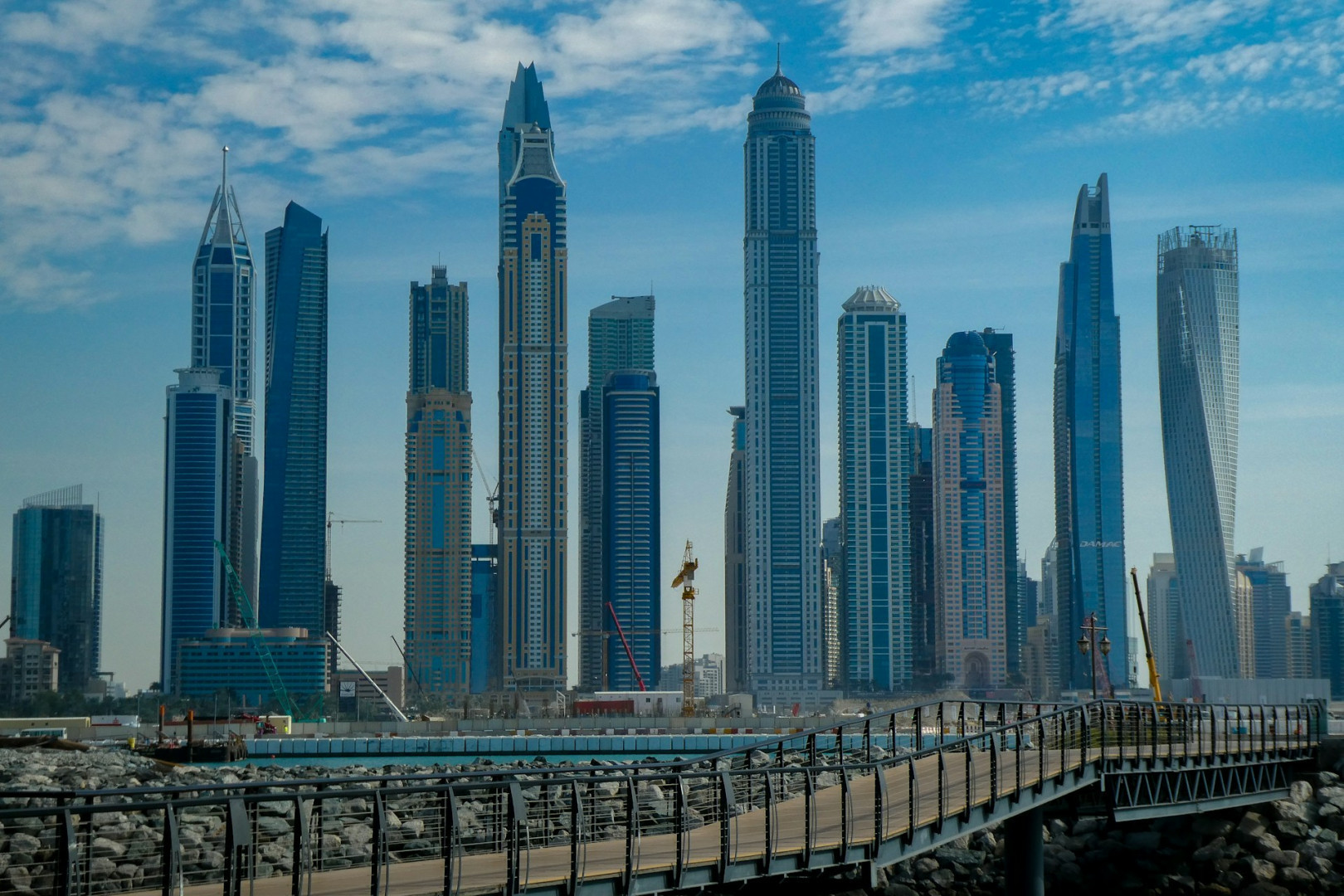
Buying before a project is built can mean a lower price and strong appreciation, but it is also where phantom developments and siphoned deposits appear. The defence is diligence, not avoidance. Confirm the developer has a real track record — ideally more than five years of operating history and completed projects with issued Chanote titles — and check membership in a recognised body such as the Thai Real Estate Association. Verify that the project holds valid construction permits and, where required, Environmental Impact Assessment approval before any building begins. Insist that your money moves in staged instalments tied to verified construction milestones rather than a single upfront lump, with your independent lawyer confirming each stage, and route deposits through a licensed escrow account. A credible developer will welcome all of this; one who resists it is telling you something important.
Most scams announce themselves if you know the signals. Any one of these justifies slowing down; several together mean walk away.
Turn caution into a sequence of concrete actions. Work through these in order and you close the door on almost every scam in this guide.
Knowing the legitimate transaction costs also helps you spot invented ones: budget roughly six to seven percent of the price in transfer fee, business tax or stamp duty and withholding tax, as set out in our guide to property purchase taxes in Thailand. Anything beyond the expected figures deserves a question.
Recourse exists, but it is a reason to prevent rather than a comfort to lean on. Victims can file complaints with the Land Department, the police and the Real Estate Broker Association, and high-value cases can be escalated to the Department of Special Investigation; many property frauds are also criminal offences such as forgery and fraud, which can support a parallel civil claim for damages. The catch is that these processes are slow, expensive and uncertain, especially once money has left the country. That is the whole argument for front-loading your caution: a few weeks of careful due diligence is far easier than years of litigation.
A professional agent is not just a salesperson; a good one carries a duty of loyalty and care — putting your interests first, disclosing any stake, and double-checking every detail from the title deed to the contract clauses. In practice that means insisting on traceable payments rather than cash or crypto, screening each deal for red flags, verifying title and quota before you commit, and steering you toward legally sound ownership rather than a tempting shortcut. This is exactly how DDA Real Estate works: independent legal due diligence, verified titles, correct foreign-ownership structures and proper escrow, so that the market's genuine opportunities reach you without its traps. If you are still deciding where to focus, our guide to where it is better to buy in Thailand is a sound place to begin.
What is the most common property scam in Thailand?
Forged or duplicated title deeds and double-selling, where land is sold that the seller does not truly own — caught only by checking at the Land Office.
How do I check a title deed is real?
Verify the Chanote in person at the local Land Office, matching the owner's name and ID, and never rely on a photocopy or PDF.
Is a nominee company a safe way to own land?
No — nominee structures are illegal, actively audited, and can lead to a forced sale of the property plus fines and criminal liability.
Do I really need my own lawyer?
Yes — independent due diligence costs around 25,000 to 80,000 baht, while a typical loss starts at two million, so the maths speaks for itself.
What is the safest way for a foreigner to own property?
A condominium held freehold in your own name, within the building's 49 percent foreign quota, is the cleanest and safest route.
Is escrow used in Thailand?
It is legal but not mandatory, so many deals skip it; always request escrow, especially for off-plan deposits.
How do I avoid off-plan project scams?
Check the developer's completed projects, confirm permits and EIA approval, use escrow, and tie payments to construction milestones.
What are the biggest red flags?
High-pressure deposits, prices far below market, being steered away from your own lawyer, and requests to pay a personal account.
Thailand's property market is full of genuine opportunity, and the horror stories almost always trace back to the same avoidable shortcuts. Get the fundamentals right — the right title, an independent lawyer, verified quota, traceable money and a contract you actually understand — and the risk shrinks to something ordinary. DDA Real Estate exists to make that the default rather than the exception: we handle the due diligence, the legal structure and the paperwork so your purchase is safe from the first viewing to the final transfer. Tell us what you are looking for, and let us make sure the only surprise is how smoothly it goes.