
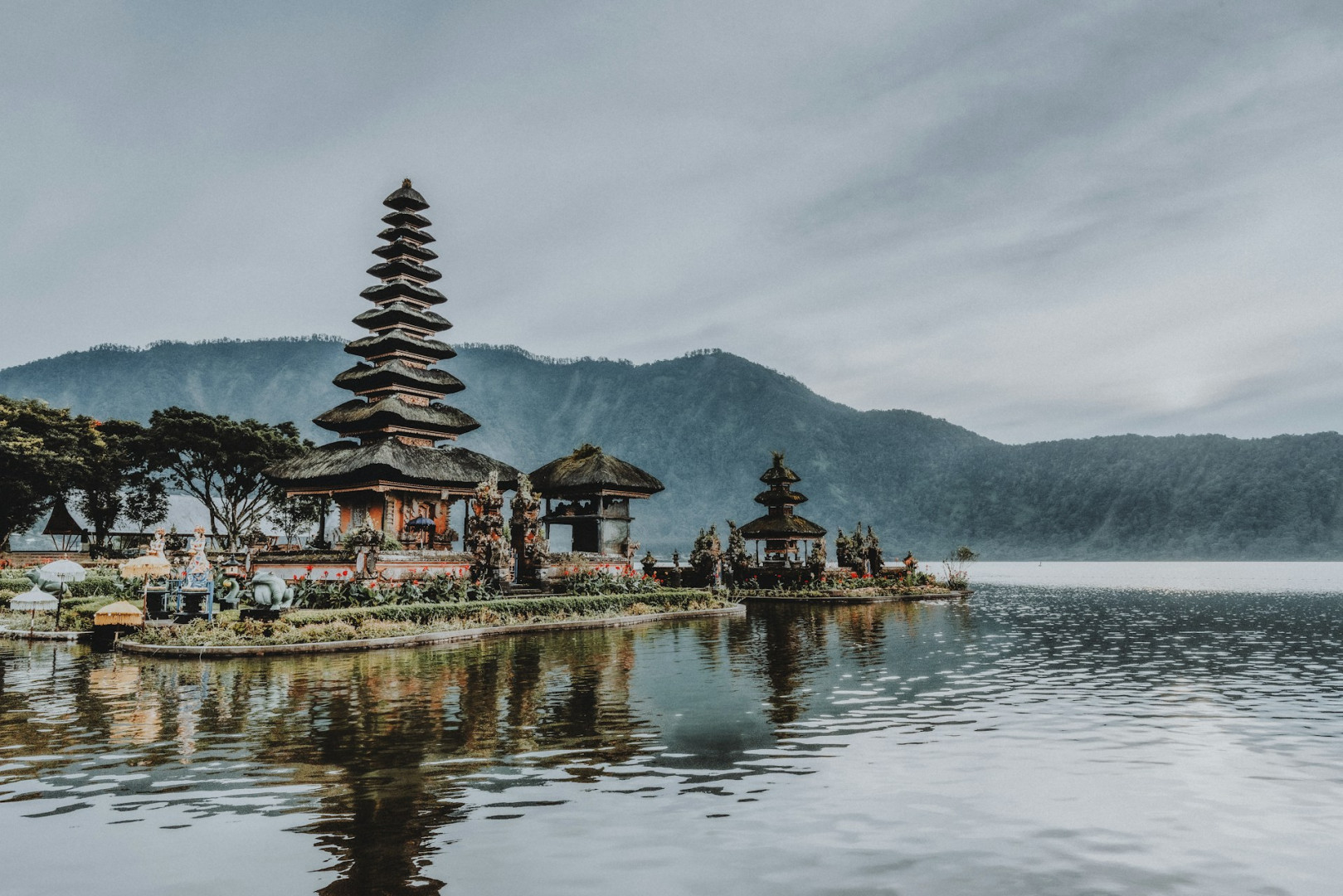

Bali Property Risks: Legal Dangers for Foreign Buyers
971 56 596-5009
day and night
United Arab Emirates
EN
$
ft²
Other articles

Bali Real Estate Risks: How to Avoid Costly Mistakes

Kristina Martynova The author of the article, the Broker
#Blog DDA
2 November 9387 views

Bali’s real estate market is booming, attracting thousands of global investors, digital nomads, and entrepreneurs. The combination of high ROI, lifestyle appeal, and growing tourism makes the island irresistible — but it also creates room for legal pitfalls and scams.

Understanding the risks and how to avoid them is essential before signing any property contract. Here’s the 2025 guide by DDA Real Estate — your roadmap to safe, transparent, and profitable ownership in Bali.

Why Risks Exist in Bali’s Real Estate Market

Indonesia’s land laws are complex: foreigners cannot directly own freehold land, and regulations differ across zones and regions. Add unlicensed brokers, fast-changing developments, and informal practices — and it’s easy for newcomers to make expensive mistakes.

Buying property in Bali is safe — but only when done with proper verification, legal documentation, and licensed professionals.

Top 7 Risks When Buying Property in Bali

1. Nominee Ownership — the Biggest Legal Trap

Some agents still promise “freehold for foreigners” using a nominee structure — registering land under a local Indonesian’s name. The foreign buyer signs a “private agreement” claiming beneficial ownership, but under Indonesian law, this contract has no legal protection.

If the nominee decides to sell, disappear, or pass away, you lose everything — the property legally belongs to them.

The Legal Alternative:

  • A PT PMA (foreign-owned company) can legally hold land under HGB (Hak Guna Bangunan / Right to Build) for up to 80 years (30 + 20 + 30).
  • This structure is recognized by the BPN (Land Office) and ideal for business, villa rentals, and hospitality projects.

If your goal is to invest professionally and rent out property — PT PMA ownership is the safest long-term structure.

2. Unverified Land Certificates

Every property in Indonesia must have a legal land certificate issued by BPN (Badan Pertanahan Nasional) — either SHM (Freehold), HGB (Right to Build), or Hak Sewa (Leasehold).

Common risks:

  • Forged or duplicated certificates.
  • Land already pledged as collateral for a bank loan.
  • Unclear boundaries or missing surveys.

How to avoid: Always request the Land Book Copy and confirm the title’s authenticity directly at BPN.

3. Zoning Violations (Green Zone Confusion)

Land use in Bali is strictly defined by RTRW zoning laws: residential, commercial, tourism, and agricultural. Many plots marketed as “buildable” are in green zones, where development is illegal.

Consequences:

  • Building permits (PBG) denied.
  • No rental or hotel license approval.
  • Risk of demolition or government fines.

Solution: Request an official zoning confirmation letter (Surat Keterangan RTRW) from the Dinas Tata Ruang before signing or paying.

4. Missing Permits — PBG, SLF, Pondok Wisata

Even built villas may lack key documents:

  • PBG (Building Approval) — replaced the old IMB system.
  • SLF (Building Function Certificate) — confirms building safety.
  • Pondok Wisata — required to rent to tourists.

Without these, your property cannot be legally rented or insured. Always verify permits in the SIMBG online system or through your notary before purchase.

5. Unregistered Leasehold Contracts

A notarized contract is not enough — every leasehold (Hak Sewa) must be registered at the BPN Land Office.

If not registered:

  • Your lease is invisible in the national land system.
  • The landowner can sell or mortgage the land without your knowledge.
  • You have no protection in court.

Ensure your name and lease duration appear in the land’s official record (“Catatan Hak”).

6. Unrealistic ROI Promises

Bali’s average ROI for well-managed villas is 8–11%, not 20–25% as some agents claim. “Guaranteed ROI” deals often rely on unsustainable occupancy rates or future price speculation.

Check:

  • Is the project already operating or still under construction?
  • Who manages rentals and at what commission rate?
  • Is there a service contract and realistic financial model?

A professional agent will show you transparent ROI projections — not promises.

7. Tax & Ownership Mismanagement

Many foreign investors underestimate Indonesia’s property tax structure. Incorrect reporting or missed payments can lead to fines, audits, or license suspensions.

Tax Type Rate Applies To
Lease Income 10% Final Withholding Paid monthly via PT PMA
Property Transfer 2.5–5% On sales or transfers
VAT (PPN) 11% Rental and hospitality revenue
Land Tax (PBB) Annual Must be current for all properties

Keep records of all payments — it’s common for missing PBB receipts to delay future property resales.

How to Verify an Agent or Developer

Before you pay any deposit or sign a contract, verify who you’re dealing with.

Verify Before You Sign:

  • Check the agent’s license — they should be registered under AREBI or REI Indonesia.
  • Ask for the company’s NPWP (Tax ID) and NIB (Business License).
  • Visit the developer’s previous completed projects.
  • Request notarized ID of the seller, owner, or director.

A legitimate agent or developer will never hesitate to share credentials and past work — transparency is their best marketing.

Due Diligence Timeline — How Long It Takes

Step Verification Responsible Party Duration
Land title check SHM / HGB verification at BPN Notary (PPAT) 3–5 days
Zoning confirmation RTRW letter from Dinas Tata Ruang Architect / Notary 3–7 days
Building permits PBG / SLF validation Local Authorities 1–2 weeks
Tax clearance PBB / NPWP check Accountant 2–3 days

A proper due diligence process usually takes 2–3 weeks — but it’s the difference between safe ownership and future litigation.

How to Buy Safely in Bali

Bali’s real estate market is dynamic and full of opportunity — but it also requires structure and discipline. Every successful transaction on the island follows a clear, legally sound process. Skipping just one verification step can cost you your investment, rental license, or peace of mind.

Here’s the step-by-step roadmap recommended by DDA Real Estate to ensure your purchase or lease is 100% secure and compliant.

Step 1 — Verify the Land Title at BPN (National Land Agency)

Before you even discuss price or make a deposit, the first step is ownership verification. Every piece of land or villa in Indonesia must have an official land certificate issued by BPN (Badan Pertanahan Nasional) — either:

  • SHM (Sertifikat Hak Milik) – Freehold (locals only)
  • HGB (Hak Guna Bangunan) – Right to Build (for PT PMA / companies)
  • Hak Sewa (Leasehold) – Long-term usage for foreigners

Why it matters:
Without this verification, you risk buying land that is already sold, mortgaged, or disputed. BPN will issue a Land Book Copy (Salinan Buku Tanah) that confirms:

  • Current owner’s name
  • Legal land status
  • Mortgages, liens, or disputes
  • Exact plot size and boundaries

This document is your legal foundation — it’s the “birth certificate” of the property.

Step 2 — Confirm Zoning and Building Permits (RTRW, PBG, SLF)

Not every beautiful rice field can host a villa. Bali is divided into zones: residential, tourism, commercial, agricultural, and green (protected).

Zoning Verification (RTRW):
Get the RTRW Letter from the Dinas Tata Ruang (Spatial Planning Office) confirming what you can legally build or operate. This protects you from buying land in “green” or “agriculture” zones where building and rentals are prohibited.

PBG (Persetujuan Bangunan Gedung):
Replaced the old IMB permit — proves that the building’s design and location comply with regulations.

SLF (Sertifikat Laik Fungsi):
Confirms that the structure is safe and suitable for use. Without SLF, the villa cannot be connected to utilities or insured.

If any of these are missing — don’t buy yet. Permits define your property’s legal existence.

Step 3 — Review Contracts with a Licensed Notary (PPAT)

All real estate contracts in Indonesia must be prepared and signed before a licensed notary (PPAT). This ensures the agreement is valid under national law and enforceable in court.

The notary’s role:

  • Verify all ownership documents and identity of the seller.
  • Prepare bilingual (Bahasa Indonesia + English) contracts.
  • Register the deal with BPN.
  • Ensure all parties understand the terms.

Key contracts to review carefully:

  • Akta Jual Beli (Deed of Sale) for purchases.
  • Akta Sewa Menyewa (Lease Agreement) for leaseholds.
  • Addendums for renewal clauses or rental rights.

Never rely on “private agreements” or unsigned promises — in Indonesia, only notarial documents hold legal power.

Step 4 — Check Land and Property Taxes (PBB Receipts)

Before closing the deal, confirm that the property’s PBB (Pajak Bumi dan Bangunan) taxes are paid up to date.

Why it’s crucial:
Unpaid land taxes can result in government seizure or delays in ownership transfer. The PBB receipt proves that the current owner has met all annual obligations. For PT PMA transactions, ensure the company has a valid NPWP (Tax ID) and no outstanding reports.

No PBB = red flag. Tax compliance is the simplest sign of a clean and honest property.

Step 5 — Register the Agreement at BPN

After signing the contract, your notary must register the transaction at the Land Office (BPN). This applies to both purchases (Hak Milik / HGB) and leaseholds (Hak Sewa).

Registration ensures:

  • Your name or company appears in the official land record (Catatan Hak).
  • The government legally recognizes your rights.
  • Future buyers or banks can verify your ownership.

Without registration, your contract remains a private document — valid only between you and the seller, but unenforceable against third parties. Registration makes your ownership visible and protected — it’s your ultimate legal shield.

Step 6 — Work Only with Licensed Agents and PT PMA Structures

Choose professionals who are accountable and verifiable. Licensed agents belong to AREBI (Asosiasi Real Estate Broker Indonesia) or REI Indonesia, and follow national real estate ethics.

Why it matters:

  • Licensed brokers handle due diligence and escrow securely.
  • PT PMA (foreign-owned companies) can legally hold HGB (Right to Build) and operate rental or hospitality businesses.
  • Working through official channels ensures compliance with tax, zoning, and visa regulations.

If an agent refuses to share their license or company details — walk away.

Final Rule — Every Paper Verified, Every Promise Documented

Buying safely in Bali is not about avoiding bureaucracy — it’s about embracing it. Each document, stamp, and registration protects you from risk.

A safe investment checklist includes:

  • Verified land title (BPN)
  • Confirmed zoning (RTRW)
  • PBG + SLF building permits
  • Tax receipts (PBB)
  • Registered contracts (Notary + BPN)
  • Licensed agent or PT PMA structure

When in doubt, verify twice. When you work with DDA Real Estate, every step — from land checks to tax clearance — is managed transparently and professionally.

Case Example — When Cheap Becomes Expensive

In 2024, a foreign investor bought a “beachfront leasehold” in Gianyar without checking zoning or ownership. The land was in a green zone and the lessor had unpaid taxes. Six months later, authorities revoked the lease — the investor lost $180,000.

Lesson: A quick deal is never worth losing your capital. Legal due diligence is your best insurance.

Read also:Buying Property in Bali as a Foreigner”, “The Pros and Cons of Off-Plan Property Investments in Bali”, “How to Find the Best Deals on Real Estate in Bali”.

DDA Real Estate — Legal Property Guidance You Can Trust

DDA Real Estate provides full due diligence, legal verification, and investment consulting for foreign buyers in Bali.

Our services include:

  • Land ownership and zoning verification (BPN & RTRW)
  • PT PMA registration and structuring
  • Leasehold & freehold contract review
  • Tax compliance and financial analysis
  • Legal risk audits before purchase

We make buying property in Bali simple, safe, and transparent — the way it should be.

Popular
5 June 1722168 views
Dubai Rent Prices 2025: Average Apartment Rental Costs in Dubai Dubai's rental market continues its upward climb in 2025, driven by population growth and limited new supply, pushing average prices up by 10%
#Blog DDA
2 July 818433 view
DLD Fees in Dubai: Everything You Need to Know Buying property in Dubai? Don't let hidden fees surprise you! Our essential guide breaks down ALL Dubai Land Department (DLD) fees
#Blog DDA
5 February 555849 views
How Foreigners Can Own Property in Bali: Understanding PT PMA (2025) Foreigners can't own freehold land in Bali, but a PT PMA (foreign-owned company) allows secure property ownership under Hak Guna Bangunan (HGB) or Hak Pakai (HP) rights
#Blog DDA
5 July 481887 views
How Much is the Real Estate Agent Commission in Dubai? Find out how much real estate agent commission costs when buying property in Dubai.
#Blog DDA
2 January 416808 views
Mortgage in Thailand: interest rates for foreigners Learn about mortgage options for foreigners in Thailand, including bank loans, developer financing, and eligibility criteria. DDA Real Estate offers expert guidance
#Blog DDA
28 August 333396 views
Oqood vs Title Deed in Dubai: Key Differences You Must Know Buying property off-plan in Dubai? Oqood registration is mandatory to secure your ownership rights.
#Blog DDA