Koh Phangan Real Estate: ROI and Legal Tips
971 56 596-5009
day and night
Dubai
EN
$
ft²
Other articles

Koh Phangan Real Estate Guide: Eco-Luxury Investments

Kristina Martynova The author of the article, the Broker
#Blog DDA
4 November 4662 view

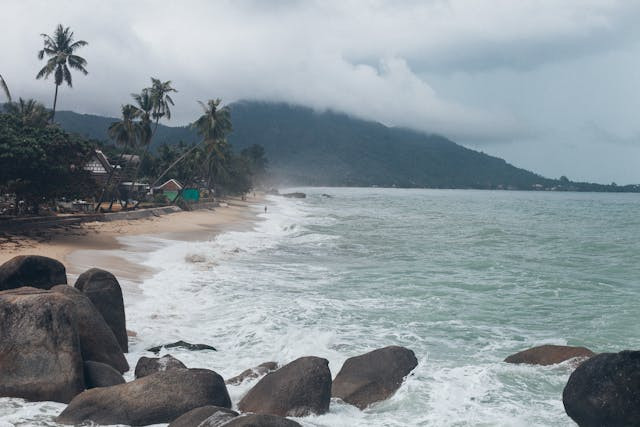
Once famous for its Full Moon Parties, Koh Phangan is now emerging as one of Thailand’s most dynamic island real estate markets. The island has evolved into a wellness-driven, eco-conscious community, drawing digital nomads, yoga professionals, and investors in search of serenity — and strong returns.

With rising infrastructure quality and improved ferry links to Koh Samui and the mainland, Koh Phangan offers a rare blend of lifestyle and profitability, perfectly aligned with the global shift toward sustainable living.

As DDA Real Estate experts note, Koh Phangan is no longer a “hidden gem” — it’s the next big step in Thailand’s island investment landscape.

Market Overview 2025 — The Rise of Eco-Luxury Real Estate

Koh Phangan’s property market remains smaller but more agile than Samui or Phuket — offering lower entry prices and higher ROI potential.

Property Type Entry Price (THB) Average ROI (Annual) Typical Tenant
Studio / 1-Bed Condo 2.5M–3.5M 6–8% Digital nomads
Pool Villa (2–3 bed) 8M–15M 7–9% Expats, long-stay guests
Eco-Resort / Boutique Project 20M+ 10–12% Wellness travelers

DDA Real Estate data shows Srithanu and Hin Kong areas saw property values rise 25% (2022–2024) — one of the fastest rates in Thailand’s island markets.

Before You Invest on Koh Phangan

  • Verify land title — only Chanote titles are legally secure.
  • Check zoning & accessibility, especially for hillside plots.
  • Review infrastructure — water, power, and road access are crucial for rentals.
  • Engage a local notary or law firm for due diligence.

These basics ensure your eco-resort investment in Thailand is legally sound and future-proof.

Investment Hotspots — Where Lifestyle Meets ROI

1. Srithanu & Hin Kong — The Wellness Capital

The heart of the island’s transformation. Yoga studios, vegan cafés, and digital co-living projects thrive here. Rental demand stays high year-round from long-stay professionals.

ROI: 7–9% annually
Perfect for: wellness villas, co-living, eco-boutique resorts

2. Haad Yao & Secret Beach — Scenic and Profitable

Panoramic views, western-standard amenities, and excellent roads. Ideal for seaview villas and boutique developments.

ROI: 6–8%, resale growth +30% in 3 years

3. Chaloklum — Quiet, Authentic, Promising

Traditional fishing town now attracting families and retirees. Lower land costs (20–30% less than the west coast).

ROI: 5–7%, long-term rental stability

4. Haad Rin — Boutique Revival

Rebranding from nightlife to boutique lifestyle. Great for investors in hospitality or serviced apartments — with correct Hotel Act licensing.

ROI: 8–10%, strong peak-season demand

Legal Ownership & Compliance

Foreigners can legally own:

  • Freehold condominiums (up to 49% of units per project)
  • Leasehold villas / land (30 + 30 + 30 years)
  • Property via Thai Co., Ltd. (with legitimate Thai shareholder structure)

All transfers require FET or Tor Tor 3 certification for foreign fund verification — handled directly through Thai banks. DDA Real Estate partners with certified legal experts to verify Chanote titles, zoning compliance, and licensing for investment projects.

DDA Market Insight — Why Koh Phangan Leads the Next Wave

  • Entry costs 30–40% lower than Samui;
  • Rental yields 6–10%, led by long-stay and wellness rentals;
  • Rapid growth in eco-villas and sustainable architecture;
  • Expanding infrastructure (pier, digital fiber, green utilities).

As investors seek conscious returns, Koh Phangan offers lifestyle income with minimal volatility — the “Phuket 15 years ago” scenario.

DDA Projection (2025–2030)

Sustainable villas and boutique eco-resorts are expected to outperform traditional developments by 20–25% ROI premium, driven by conscious tourism, remote professionals, and long-stay wellness markets.

Ownership & Operating Costs

Expense Approx. Range (THB) Frequency
Maintenance fee (condo) 40–60/м² Monthly
Villa upkeep (pool/garden) 5,000–10,000 Monthly
Property management fee 20–25% of rental income Monthly/annual
Sinking fund 500–800/м² One-time
Utilities (electricity/water) 2,000–5,000 Monthly

Eco developments with solar systems or greywater recycling cut utility costs by up to 20% — improving long-term ROI.

Common Pitfalls to Avoid

Buying property in Thailand — especially on Koh Phangan, where demand is growing rapidly — can be highly profitable. But along with opportunity comes a set of legal and procedural pitfalls that inexperienced buyers often underestimate. At DDA Real Estate, we’ve seen how one overlooked document or casual “handshake deal” can turn a dream investment into a legal headache. Here are the most common mistakes — and how to avoid them.

Buying Land Without a Chanote Title Deed

Not all land on Koh Phangan is equal. Some plots are sold under lower-grade documents like Nor Sor 3 or Nor Sor 3 Gor, which do not grant full ownership rights or exact boundaries. These cannot be legally transferred, leased, or mortgaged — and might even overlap with state or forest land. In short: no Chanote, no legal ownership.

Why It Matters:
Without a verified Chanote, you risk buying land that you can’t build on, resell, or even register under your name.

DDA’s Approach:
Our legal team verifies every title deed directly with the Land Department, ensuring:

  • The land has a valid Chanote document;
  • No encumbrances or mortgage obligations;
  • Clearly surveyed boundaries confirmed by local authorities.

Ignoring Zoning and Building Regulations

Koh Phangan’s natural beauty is protected by zoning laws designed to prevent overdevelopment. Different zones — coastal, residential, agricultural, or forest — come with specific height, density, and building restrictions. For example, some seaview hillside plots may look ideal for a villa but fall under “green zones” where no permanent construction is allowed. What looks like an investment opportunity could, in fact, be unbuildable land.

DDA’s Approach:
We conduct zoning and environmental checks in cooperation with architects and local authorities to confirm:

  • The land is legally buildable;
  • Construction height, footprint, and density limits are within code;
  • The project complies with Environmental Impact Assessment (EIA) rules, if applicable.

Overlooking Hotel Act Regulations for Short-Term Rentals

Many investors purchase villas or condos with plans to rent them on Airbnb or Booking.com — but Thailand’s Hotel Act makes short-term rentals (under 30 days) strictly regulated. To operate legally, owners must either join a development with a valid hotel or resort license, or apply for a Villa License under local accommodation regulations. Operating without the proper license can result in fines, property closure, or even criminal charges.

DDA’s Approach:
We analyze your intended rental strategy and guide you to:

  • Choose projects already approved under the Hotel Act;
  • Apply for proper licensing for standalone villas;
  • Work with professional property managers who handle all legal registrations.

Compliance isn’t a cost — it’s what keeps your income secure.

Working With Unlicensed or “Freelance” Agents

This is one of the most frequent — and dangerous — mistakes made by foreign buyers. Unlicensed “freelancers” often market cheap land or off-plan projects with little to no documentation. They operate without REIC (Real Estate Information Center) certification and cannot legally represent you or process contracts. In the worst cases, deposits disappear or buyers later discover ownership disputes. If the agent can’t provide a Thai company registration or license number — walk away.

DDA’s Approach:
We work exclusively with:

  • Registered developers and licensed brokers;
  • Verified law firms;
  • Audited management companies.

Every project featured by DDA passes a multi-stage due diligence process — including title validation, developer background checks, and license verification. DDA ensures full due diligence, developer verification, and ownership structuring — so your investment remains protected and profitable.

Future Outlook — 2025 & Beyond

  • West Coast Marina (Hin Kong) project under study;
  • Eco-resorts and hybrid villas dominate new builds;
  • Wellness villages integrating retreats, healing, and hospitality;
  • Forecasted price growth: +20–25% (next 3–5 years).

Koh Phangan mirrors early Samui — but with smarter, greener design principles.

DDA Investor Tips

  • Focus on eco-luxury and wellness-driven rentals;
  • Prioritize legal ownership clarity (Chanote + FET);
  • Look for walkable seaview locations — higher occupancy;
  • Integrate solar & sustainable features — premium pricing follows;
  • Partner with licensed property managers for consistent ROI.

Read also:Buying property in Thailand as a foreigner”, “Where It Is Better to Buy Real Estate in Thailand”, “Thailand Real Estate Market 2025”.

DDA Real Estate — Your Trusted Partner for Thailand Island Real Estate 2025

At DDA Real Estate, we guide investors through every stage of the process — from identifying high-ROI projects to ensuring secure ownership.

Our services include:

  • Market analytics & ROI forecasts;
  • Legal due diligence & bank coordination;
  • FET / Tor Tor 3 certification;
  • Property & villa management setup.

Koh Phangan is more than a getaway — it’s Thailand’s new frontier for sustainable, high-return island investments.

Ready to Invest in Koh Phangan Villas?

Whether you’re exploring boutique eco-resorts or rental-ready pool villas, DDA Real Estate offers full legal support and verified opportunities tailored to your goals. Contact us today for a personalized consultation and start building your island investment portfolio.

Invest in Koh Phangan — where lifestyle meets legacy.

Popular
5 June 1722168 views
Dubai Rent Prices 2025: Average Apartment Rental Costs in Dubai Dubai's rental market continues its upward climb in 2025, driven by population growth and limited new supply, pushing average prices up by 10%
#Blog DDA
2 July 818433 view
DLD Fees in Dubai: Everything You Need to Know Buying property in Dubai? Don't let hidden fees surprise you! Our essential guide breaks down ALL Dubai Land Department (DLD) fees
#Blog DDA
5 February 555849 views
How Foreigners Can Own Property in Bali: Understanding PT PMA (2025) Foreigners can't own freehold land in Bali, but a PT PMA (foreign-owned company) allows secure property ownership under Hak Guna Bangunan (HGB) or Hak Pakai (HP) rights
#Blog DDA
5 July 481887 views
How Much is the Real Estate Agent Commission in Dubai? Find out how much real estate agent commission costs when buying property in Dubai.
#Blog DDA
2 January 416808 views
Mortgage in Thailand: interest rates for foreigners Learn about mortgage options for foreigners in Thailand, including bank loans, developer financing, and eligibility criteria. DDA Real Estate offers expert guidance
#Blog DDA
28 August 333396 views
Oqood vs Title Deed in Dubai: Key Differences You Must Know Buying property off-plan in Dubai? Oqood registration is mandatory to secure your ownership rights.
#Blog DDA