

Off-plan properties
About us
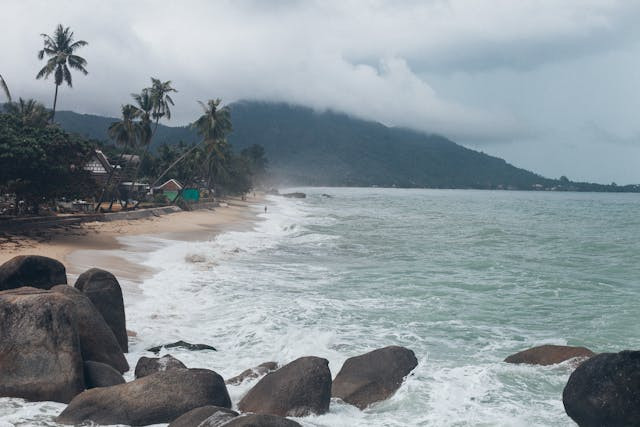
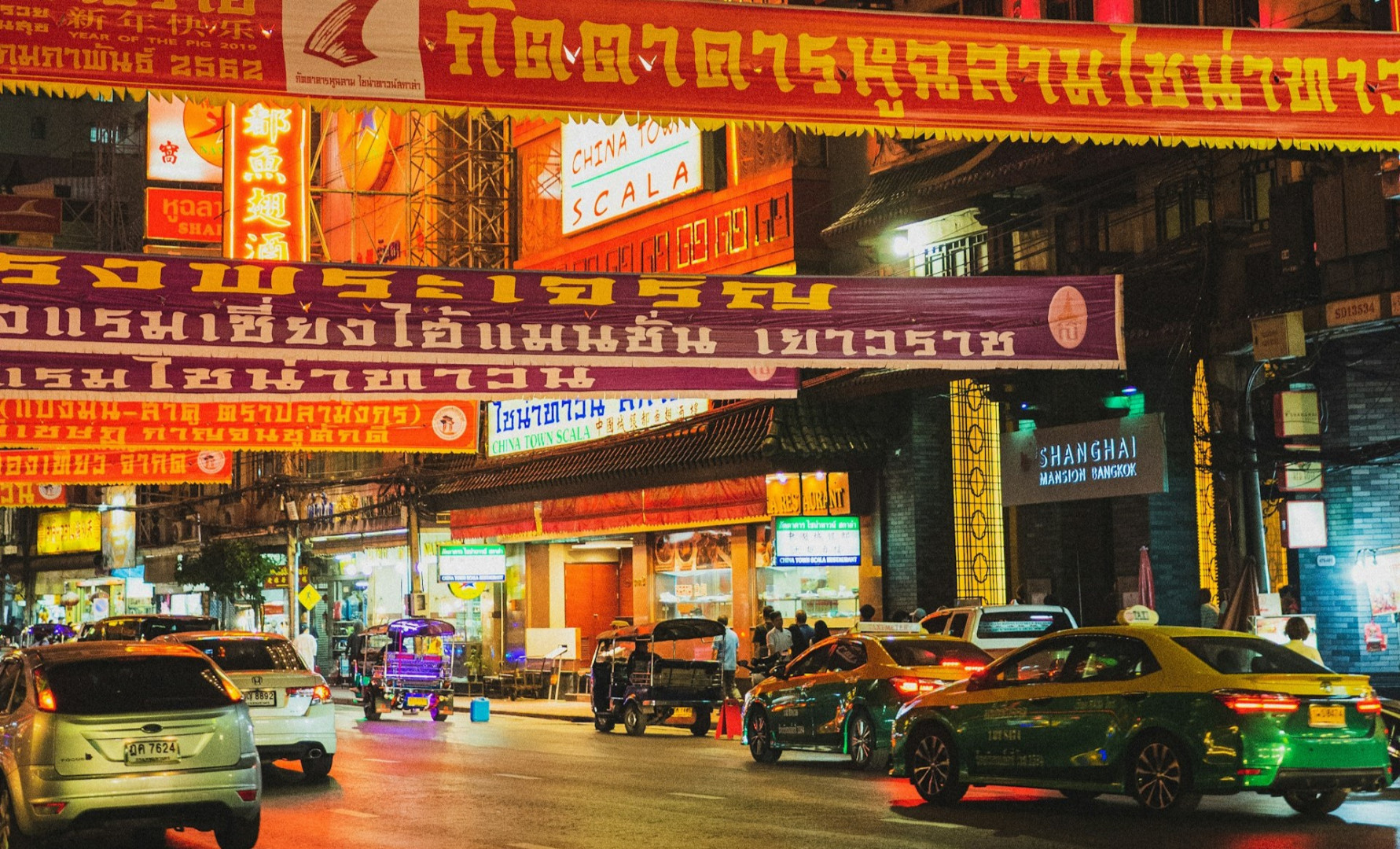
From beachfront condos in Phuket to urban high-rises in Bangkok and resort apartments in Pattaya, Thailand remains one of Asia’s most attractive real estate destinations. Affordable prices, investor-friendly laws, and strong rental demand keep the market dynamic in 2025.
Yet before you invest or relocate, it’s essential to understand the legal framework, financial details, and practical steps involved in buying property as a foreigner. This expert guide by DDA Real Estate walks you through everything you should know before purchasing your dream apartment in Thailand.
Foreigners can legally own freehold condominiums under the Thai Condominium Act (No. 4 B.E. 2551), as long as foreign ownership doesn’t exceed 49% of the project’s total sellable area.
Freehold Ownership
Leasehold Option
DDA Real Estate helps buyers verify foreign quotas and ensures your purchase complies with Thai ownership law.
To register ownership, all payments must be transferred from abroad in foreign currency. Your Thai bank will issue a Foreign Exchange Transaction Form (FET) or Tor Tor 3 certificate — proof that funds entered legally.
Since 2023, Thai banks issue Tor Tor 3 certificates equivalent to FET forms, both accepted by the Land Department for ownership registration. Keep these documents safe — they are required for ownership registration and future resale or fund repatriation.
Before paying a deposit, confirm the project’s legal status and reputation.
Checklist:
DDA Real Estate performs full legal due diligence and developer background checks via the Thai Real Estate Information Center (REIC).
| Fee Type | Rate / Cost | Notes |
|---|---|---|
| Transfer Fee | 2% of government value | Often split 50/50 buyer–seller |
| Withholding Tax | 1% | Paid by seller |
| Stamp Duty / Business Tax | 0.5–3% | Depends on ownership period |
| Maintenance Fee | 40–80 THB/м² monthly | Paid annually |
| Sinking Fund | 400–800 THB/м² one-time | For long-term building repairs |
Including all these costs upfront will give you a more accurate picture of ROI and holding expenses.
Always conduct a physical inspection before purchase — even for new developments. It’s essential to ensure the property meets your expectations and is built to high standards.
Check:
DDA Real Estate provides on-site inspections, video tours, and post-construction audits for overseas clients to ensure everything is in order before finalizing the purchase.
For off-plan purchases, payments are tied to construction milestones:
| Stage | Payment % |
|---|---|
| Reservation Deposit | 2–5% |
| Contract Signing | 25–30% |
| Construction Progress | 40–60% |
| Completion & Handover | 10–20% |
Review your Sales & Purchase Agreement (SPA) carefully — ensure it includes construction timelines, penalties for delay, and refund conditions.
DDA’s legal team reviews all SPAs to safeguard your buyer rights before signing.
While most foreigners purchase in cash, several Thai banks — including Bangkok Bank, UOB, and ICBC Thailand — offer limited financing programs.
Loan-to-Value:
Interest Rates:
Processing Time:
Foreigners must typically show stable overseas income and transfer all repayment funds in foreign currency.
Developers sometimes provide installment plans during construction, offering flexibility without a bank loan.
Thailand welcomes investors who rent out their properties — long or short term.
Rental Tax Overview:
DDA assists investors in registering tax IDs, declaring income, and structuring ownership for optimal tax efficiency.
Even if you plan to live long-term, a smart investor plans their exit from day one.
Foreign-owned condos:
Leasehold units:
Always keep your FET/Tor Tor 3 certificates — they are required for repatriating proceeds abroad.
Properties near tourist zones or major infrastructure (Phuket, Pattaya, Bangtao, Bangkok CBD) typically offer higher liquidity.
DDA Real Estate helps clients evaluate long-term resale value and manage fund repatriation legally through Thai banks.
Buying property in Thailand can be smooth and rewarding — but even experienced investors sometimes make errors that cost time, money, or even legal ownership.
Most issues arise not because the laws are complex, but because buyers skip essential checks or rely on unverified information.
1. Paying in Thai Baht Locally — No FET Proof = No Ownership Rights
This is one of the most critical — and surprisingly common — mistakes. If you pay for your apartment in Thai Baht from a local account, the transaction won’t qualify for foreign freehold ownership.
By law, all funds for foreign property purchases must:
Without this document, the Land Department cannot register the condo under your name. If you later sell the property, you also can’t repatriate profits legally without this proof.
DDA Real Estate coordinates with major Thai banks to ensure every client’s transfer follows the correct SWIFT and FET process — protecting ownership and future resale rights.
2. Buying in Unregistered or Unlicensed Projects
Some developers sell “pre-launch” or “private” projects that lack full licensing — often without an official Or Chor 2 Condominium License or valid building permits.
Such purchases can lead to:
Before signing anything, confirm:
At DDA Real Estate, every project we present undergoes full legal verification through licensed law firms and government registries before it appears in our portfolio.
3. Signing Contracts Without Translation or Legal Review
Many foreign buyers sign the Sales and Purchase Agreement (SPA) without fully understanding the terms. Contracts are often bilingual, but the Thai version is legally binding — meaning the English translation is only for reference.
Without professional review, buyers risk:
DDA ensures every SPA is reviewed by bilingual legal experts before signing, and clients receive a verified translation that matches the official Thai version.
4. Skipping Due Diligence on Title Deed and Developer
A clean Chanote (title deed) is the foundation of secure ownership. Failing to check the property’s background can expose buyers to hidden risks such as:
Proper due diligence should always include:
DDA Real Estate conducts full due diligence in cooperation with certified Thai lawyers — ensuring your property is legally sound, debt-free, and ready for transfer.
5. Relying on Unlicensed “Freelance” Agents
In Thailand, not all property agents operate under official licensing — and unverified brokers often lack the expertise or accountability to protect your interests. Common issues include:
Licensed agencies, like DDA Real Estate, operate under the Thai Real Estate Information Center (REIC) and maintain direct relationships with developers, banks, and law firms. When you work with DDA, you know every agent, lawyer, and partner involved in your purchase is accredited, insured, and compliant with Thai property law.
Avoiding these five mistakes is the simplest way to turn a good purchase into a great investment. Contact DDA Real Estate today — and let our legal and financial experts guide you safely through every stage of your property journey in Thailand.
| Stage | Process | Duration |
|---|---|---|
| Reservation | Deposit & booking | 1–3 days |
| SPA Signing | Contract + first payment | 1 week |
| FET/Tor Tor 3 | Bank certification | 1–3 days |
| Land Office Transfer | Ownership registration | 1–2 weeks |
| Handover | Keys, inspection, move-in | Immediately after transfer |
DDA coordinates all steps with developers, banks, and Land Office to ensure a seamless experience.
Owning property in Thailand can strengthen your residency options:
DDA Real Estate helps align property investments with visa eligibility for a complete relocation strategy.
Buying property abroad isn’t just about signing papers — it’s about trust, compliance, and strategy. At DDA Real Estate, we provide:
From the first consultation to post-purchase management — DDA ensures your Thai investment is secure, profitable, and future-proof.
This article provides general legal insights as of 2025. Always confirm current regulations with a licensed lawyer or DDA Real Estate’s legal partners before purchasing property in Thailand.
Read also: “Property Purchase Taxes in Thailand 2025 Explained”, “Which real estate in Thailand to choose”, “Where It Is Better to Buy Real Estate in Thailand”.
Buying property in Thailand is one of the most rewarding decisions you can make — but only if it’s done legally, strategically, and with the right guidance. At DDA Real Estate, we don’t just close deals — we build secure investments and long-term value for our clients.
Don’t wait for the perfect market moment — create it. Contact DDA Real Estate today to schedule a private consultation and explore Thailand’s best new developments before they sell out.