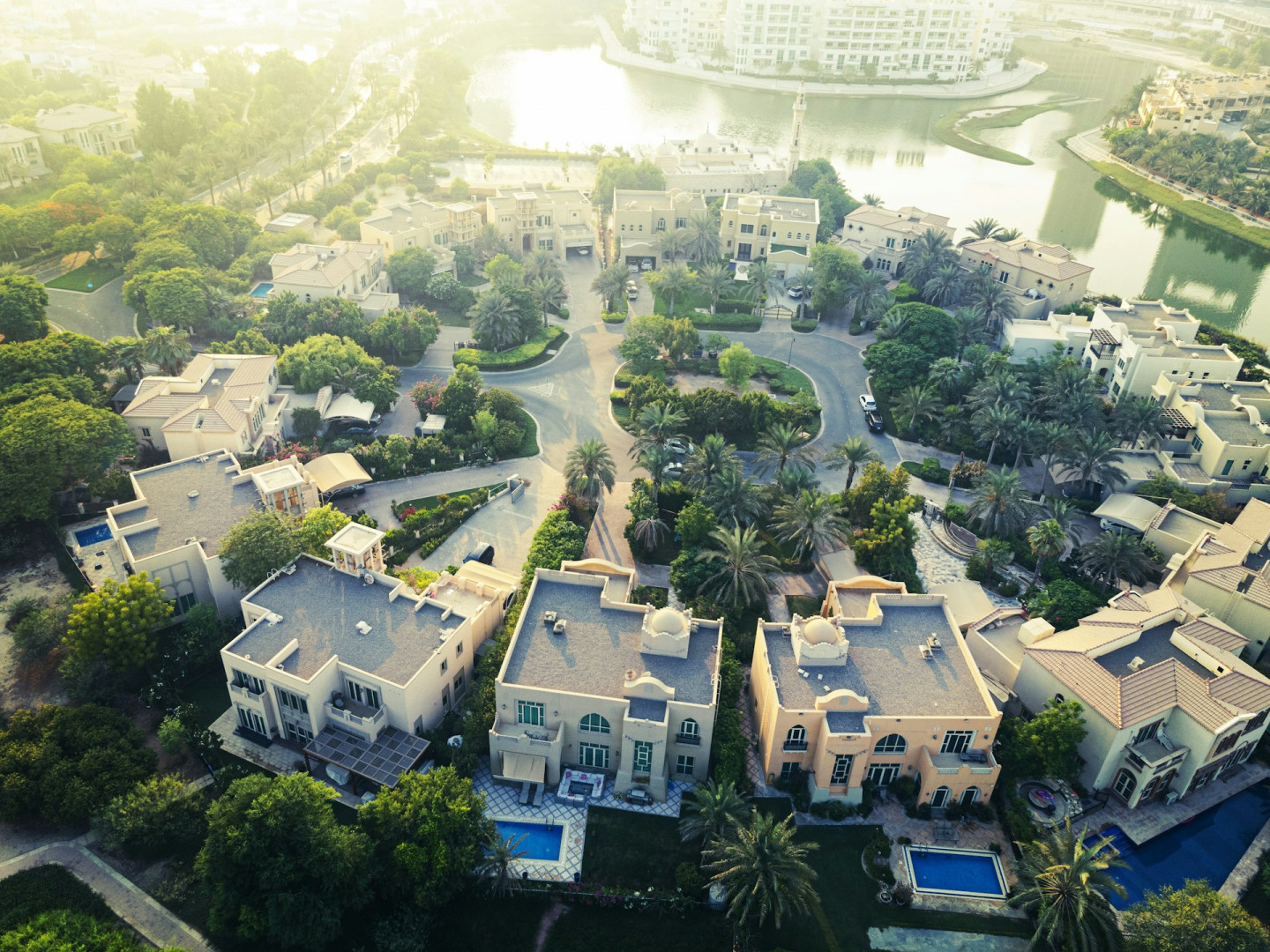
Buying a villa in Dubai is not only a lifestyle decision but also a strategic investment in one of the most dynamic real estate markets in the world. Whether you plan to relocate, invest for rental income, or purchase a holiday home, Dubai offers a wide range of villa communities – from affordable gated neighborhoods to ultra-luxury beachfront residences on the iconic Palm Jumeirah.
This guide explains everything foreign buyers should know about buying a villa in Dubai in 2026, including ownership rules, property types, pricing, and the purchasing process.
Can Foreigners Buy Villas in Dubai?
Yes. Foreign nationals are allowed to purchase villas in Dubai with full freehold ownership in designated areas approved by the government.
Freehold ownership means the buyer owns both:
- the property itself, and
- the land on which the property is built, with full ownership rights indefinitely.
Owners can:
- sell the property
- rent it out
- renovate it (subject to community rules)
- transfer it to heirs
Dubai has opened many of its most prestigious residential districts to foreign buyers. Some of the most popular villa communities include:
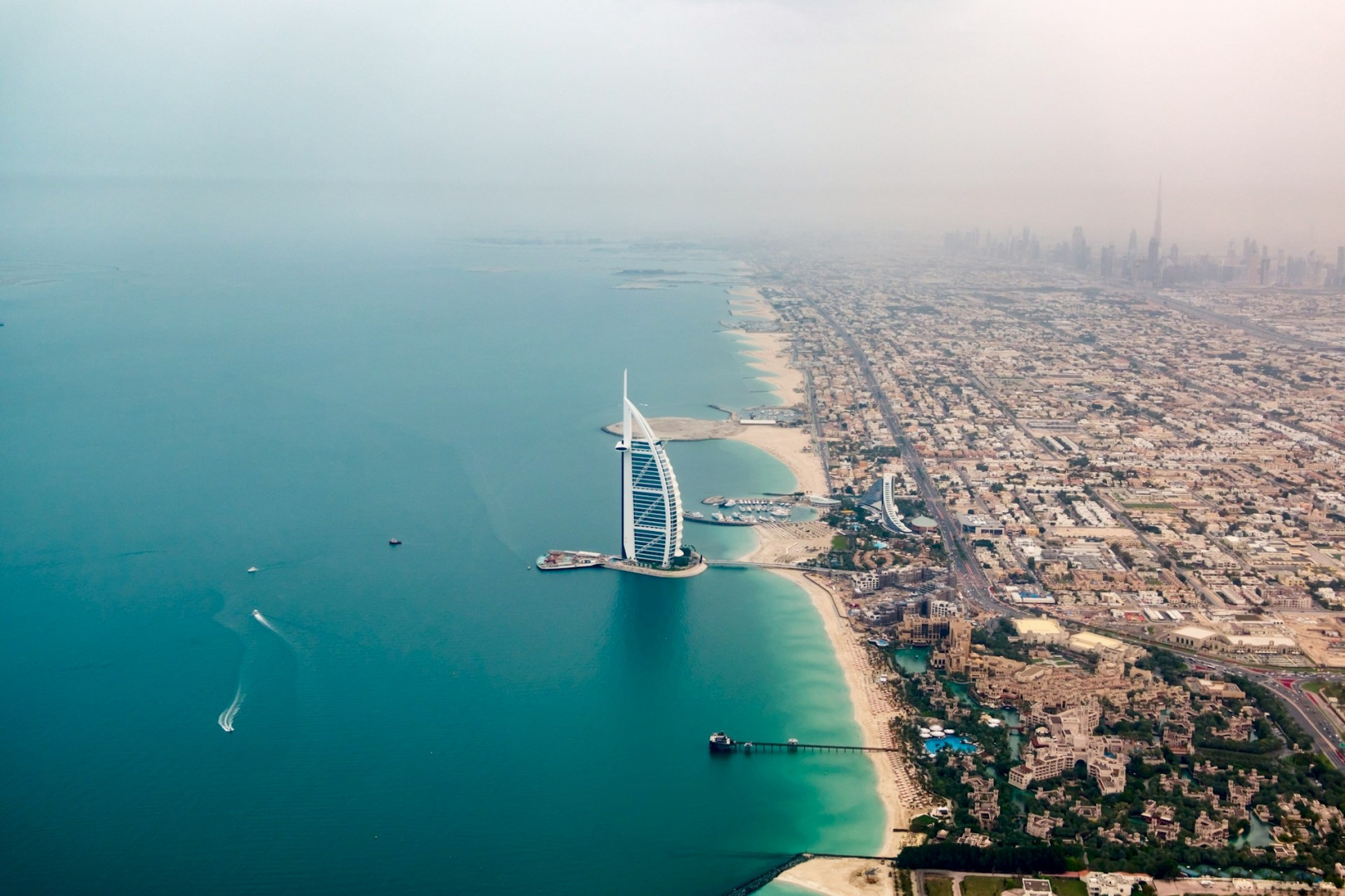
- Palm Jumeirah – the iconic palm-shaped island featuring luxury beachfront villas
- Dubai Hills Estate – a large master-planned community with golf courses and family villas
- DAMAC Hills – a green golf community with villas overlooking the Trump International Golf Club
- Mohammed Bin Rashid City (MBR City) – a luxury residential area close to Downtown Dubai
- Arabian Ranches – one of Dubai's most established family villa communities
- Tilal Al Ghaf – a modern community built around a crystal lagoon and parks
- Jumeirah Golf Estates – luxury villas overlooking championship golf courses
- District One (MBR City) – ultra-luxury villas with lagoon access near Downtown
- Dubai South / Emaar South – emerging districts offering more affordable villas with strong future growth potential
Thanks to Dubai's transparent legal system and well-regulated real estate market, foreign buyers enjoy secure property ownership rights comparable to those in major international markets.
Freehold vs Leasehold in Dubai: What's the Difference?
When purchasing property in Dubai, understanding the ownership structure is important. The UAE property market operates under two main systems: freehold and leasehold ownership.
| Feature | Freehold Ownership | Leasehold Ownership |
|---|---|---|
| Ownership Rights | Buyer owns both the property and the land indefinitely. | Buyer leases the property for a long period (usually 30–99 years). Land ownership remains with the freeholder. |
| Areas Available | Designated freehold zones such as Palm Jumeirah, Dubai Hills Estate, MBR City, DAMAC Hills, Arabian Ranches. | Often located in older central areas or government-owned developments. |
| Control | Owner can sell, lease, modify (subject to approvals), or transfer to heirs. | Major modifications usually require landlord approval. |
| Inheritance | Property can be transferred to heirs like any other asset. | Lease terms may limit inheritance rights or require renewal. |
| Investment Value | Higher liquidity and stronger long-term capital appreciation. | Lower purchase price but limited appreciation due to lease expiration. |
| Buyer Profile | Most popular option for foreign investors and expatriates. | Chosen mainly for lower entry prices or specific locations. |