

Off-plan properties
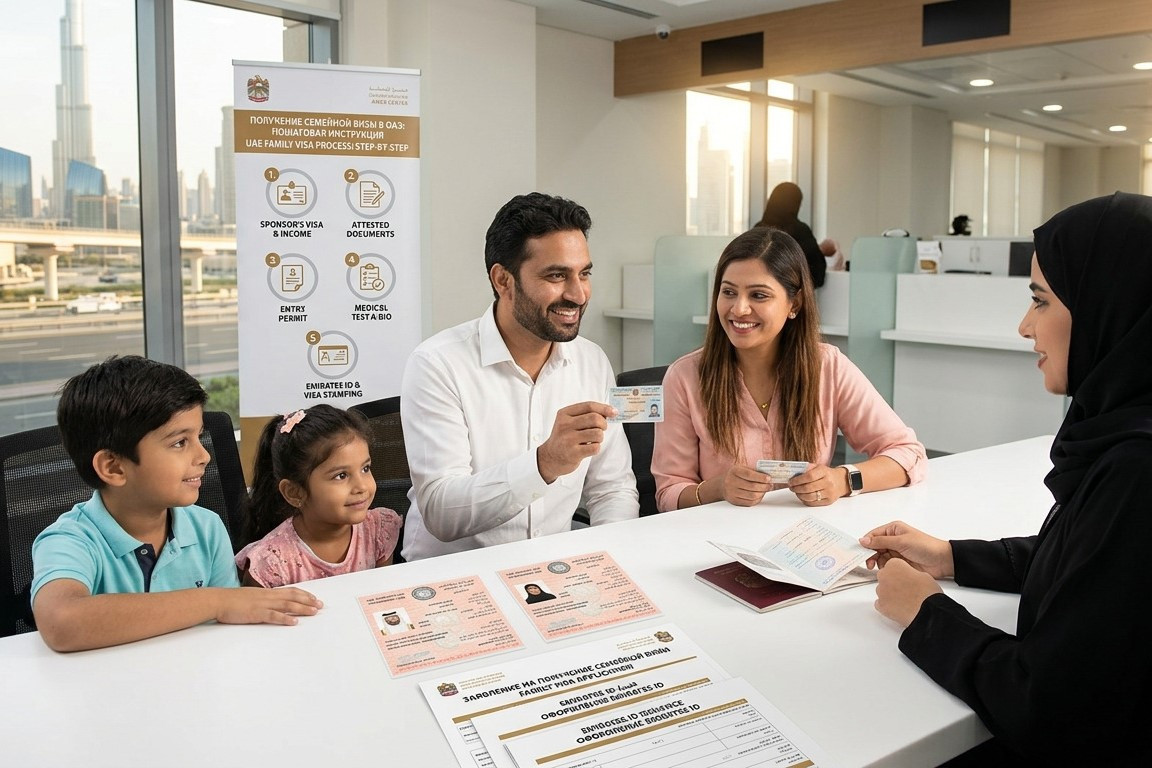
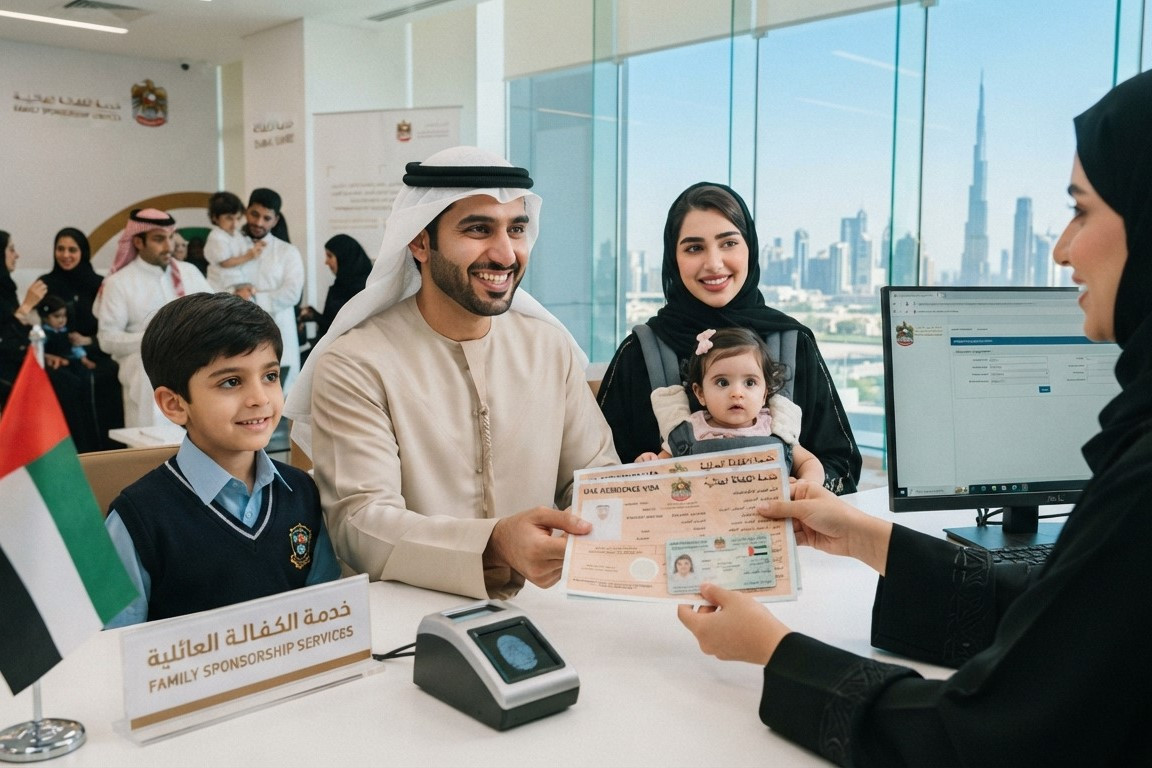
Obtaining a UAE residence visa allows residents not only to live in the country but also to bring their loved ones. For this purpose, the UAE provides a family sponsorship procedure — a way to arrange residence visas for a spouse, children, and in some cases parents.
For many foreigners who purchase property in the UAE, establish a business, or obtain residency on other grounds, the opportunity to relocate with their family becomes one of the key factors when choosing a country for long-term living. However, family sponsorship requires careful preparation: it is important to check income requirements, housing conditions, and documentation in advance.
Family sponsorship can be arranged by a UAE resident who holds a valid residence visa. The sponsor may be:
The main requirements are a sufficient income level and confirmed accommodation in the UAE. The exact conditions may vary depending on the resident’s category and the emirate, so it is important to check the current regulations before submitting an application.
Both men and women can sponsor family members. However, in certain situations, female sponsors may be required to provide additional documents. For example, when sponsoring children, authorities may request proof of custody or consent from the other parent.
Family sponsorship in the UAE primarily applies to close relatives.
A resident can apply for visas for:
There are certain age restrictions for children. In general, sons can be sponsored up to the age of 25, while daughters can be sponsored as long as they are unmarried. Children with disabilities may be subject to special rules without age restrictions.
Sponsoring parents requires stricter compliance with the regulations. In some cases, the resident must sponsor both parents simultaneously unless there are documented exceptional circumstances. Additional requirements and annual visa renewal may also apply to this category.
One of the key criteria is the sponsor’s income level. Government authorities assess whether the resident has sufficient financial capacity to support their family members. The minimum income requirement depends on the type of residency, availability of housing, and the specific emirate.
The sponsor must also confirm their place of residence. Usually, this requires providing a tenancy contract or documents proving ownership of property in the UAE.
For adult family members, a medical examination is a mandatory step after entering the country. The results of the examination are considered when approving the residence visa.
After relatives arrive in the UAE, it is important to meet the required application deadlines. The sponsor usually has a limited period to complete the family visa process, so delaying the procedure is not recommended.
The exact list of documents depends on the specific situation, but the standard package usually includes:
When applying for a spouse’s visa, a marriage certificate is required. If documents were issued outside the UAE, they usually need to be translated into Arabic and legally attested according to the established procedure.
When sponsoring children or parents, additional documents may be required, such as proof of custody, family status, or other documents confirming the relationship.
The process begins with submitting an application through government services or immigration centers of the relevant emirate.
After the documents are submitted, authorities review:
Once the application is approved, the family member receives a UAE residence visa. Its validity period is usually linked to the sponsor’s visa validity, although separate rules may apply to certain categories.
It is important to remember that family members’ residency status depends on the main resident’s status. If the sponsor’s visa is cancelled or expires, the family’s residency situation must be addressed in a timely manner.
How much does a family visa cost?
The cost of family sponsorship consists of several components. In addition to government fees, expenses may include:
The total cost depends on the number of sponsored family members, visa category, and emirate of application. Therefore, when planning a relocation, it is important to consider not only the visa fees but also related expenses.
One of the most common mistakes is starting the process without checking the latest requirements. UAE visa regulations may vary depending on the type of residency and can be updated over time.
It is also important to consider the deadlines for submitting documents after family members enter the country. Late applications may lead to fines and additional complications.
If residency is obtained through purchasing real estate in the UAE, it is important to confirm in advance whether the specific type of residence visa allows family sponsorship. This is especially relevant for investors and property owners, as many people view buying a home in the UAE as the first step toward long-term relocation with their family.
The ability to bring loved ones makes life in the UAE more comfortable and predictable for foreign residents. With proper preparation, obtaining family visas becomes a straightforward process that allows the entire family to legally live in the country.
The specialists at DDA, an international real estate agency, help clients understand the key aspects of relocation, including residence options, obtaining residency status, and planning life in a new country. Proper document preparation and a clear understanding of every stage of the process make relocation smoother and more comfortable.