
Off-plan properties
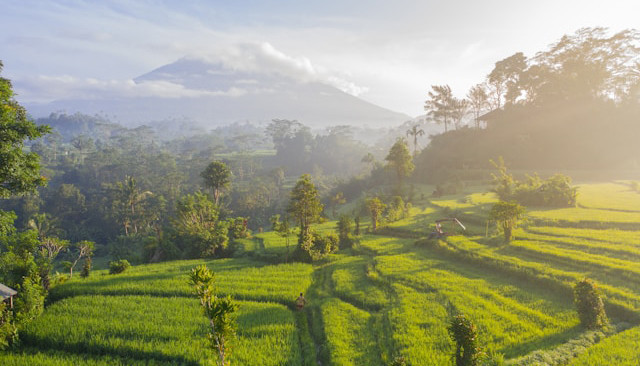
For many foreigners, buying property in Bali starts emotionally.
People first notice:
Only later does the conversation shift toward:
And this transition often surprises first-time buyers.
Because in Bali, a beautiful property and a legally secure property are not always the same thing.
Two villas that look nearly identical online may have completely different:
Land verification became one of the defining realities of Bali real estate precisely because the market is so emotionally driven at first glance.
During the rapid post-pandemic growth period, many buyers entered the market emotionally.
The focus was often on:
But as Bali's market matured, investors became more cautious.
Especially in areas like:
Where development accelerated dramatically.
Today, buyers increasingly realize that: good marketing does not automatically mean strong legal structure.
In practice, the island now feels very different from the earlier "easy money" phase many investors imagined online.
Construction noise, unfinished roads, traffic pressure, and aggressive villa development became part of everyday reality in many high-growth areas.
After heavy rain, some roads still smell of wet concrete and construction dust even near expensive projects.
That contrast between tropical dream and operational reality is now one of the defining characteristics of Bali's property market.
Land verification is the process of checking whether a property is legally and practically suitable for purchase or investment.
This usually includes reviewing:
In Bali, this process matters enormously because legal and zoning inconsistencies are still relatively common.
Many foreign buyers underestimate how important zoning is.
In Bali, land may be classified differently depending on its permitted use.
Examples include:
And this directly affects:
Two nearby plots may visually look identical while having completely different legal restrictions.
For this reason, zoning checks became one of the most critical parts of due diligence.
Most foreign investors in Bali purchase property through leasehold structures rather than permanent ownership.
Leasehold means the buyer acquires rights to use the land for a specific number of years.
Typically:
The remaining lease term heavily affects:
A villa with 28 years remaining on the lease feels very different from one with only 10–12 years left.
Many buyers initially focus on the villa itself and only later realize how critical lease duration actually becomes for long-term resale and investment stability.
One of the most common mistakes in Bali real estate is assuming lease extensions will always be simple.
In reality, extension conditions may depend on:
This becomes especially important in high-growth areas where land values continue rising rapidly.
Well-positioned land in Pererenan or central Canggu may look completely different 20 years from now than it does today.
One surprisingly practical part of land verification involves road access.
Some properties may technically sit on legal land but still face problems involving:
In Bali, small logistical details often become long-term operational realities.
Some villa access roads that look manageable on Google Maps can become heavily congested during sunset hours or muddy during tropical rain periods.
In certain rapidly developing zones, scooters, trucks, unfinished drainage systems, and nearby construction activity all compete for space at the same time.
Another important part of due diligence involves checking permits.
Depending on the project, buyers may need to verify:
This became increasingly important as Bali's market matured and local authorities began paying closer attention to tourism-related development.
A few years ago, many buyers entered Bali with extremely optimistic expectations.
Today the market feels noticeably more experienced.
Investors increasingly ask questions about:
As a result, the market is slowly shifting away from pure hype and toward more disciplined decision-making.
Beautiful renders alone no longer create the same confidence they once did.
Legal verification alone is not enough.
Construction quality has become one of the biggest differentiators in Bali real estate.
Rapid development created large variation in:
Poor tropical construction can create long-term problems involving:
Many owners only fully understand these realities after spending time inside the property during rainy season.
Damp wardrobes, condensation around air conditioning systems, and moisture trapped inside poorly ventilated villas are very real parts of tropical property ownership.
Consequently, experienced investors increasingly combine legal due diligence with technical property inspections.
Some of the most common problems include:
Many investors also underestimate how operationally demanding Bali properties become after the first 12–18 months.
Especially involving:
A tropical villa may look effortless online while requiring constant attention behind the scenes.
Strong demand remains – but competition and oversupply have increased significantly.
Micro-location quality matters enormously.
Even premium villas may still face:
During sunset hours, parts of Batu Bolong can become one of the slowest-moving areas on the island.
Luxury tourism demand remains strong, but infrastructure varies heavily between locations.
Some cliffside areas still deal with:
Even expensive villas sometimes experience generator dependence or unstable road conditions after heavy rain.
Pererenan evolved rapidly from a quieter village atmosphere into one of Bali's most closely watched premium investment areas.
The area increasingly attracts:
At the same time, infrastructure pressure has grown noticeably.
In some parts of Pererenan, unfinished roads, drainage work, and active villa construction still sit directly beside upscale developments.
This mix of premium positioning and fast-changing infrastructure is part of what makes verification so important there.
North Bali
North Bali still attracts significantly lower tourism volumes than the south, although eco-tourism and retreat interest continue growing gradually.
Verification here often focuses more on:
Rather than short-term tourism intensity.
One interesting part of Bali real estate is how emotional the process often becomes.
People arrive imagining:
And then suddenly find themselves discussing:
That contrast surprises many first-time buyers.
But it is also part of what makes Bali property investment very different from buying real estate in more standardized global markets.
Why is land verification important in Bali?
Because legal structure, zoning, and lease conditions directly affect ownership security and investment value.
Can foreigners own land in Bali?
Foreigners typically use leasehold or regulated ownership structures rather than direct freehold land ownership.
What should buyers verify first?
Usually:
Is lease extension guaranteed?
No. Future extensions depend on negotiations and future market conditions.
Do buyers need legal due diligence?
Absolutely. Professional legal review is strongly recommended.
Which Bali areas require the most careful verification?
Especially:
Bali property investment often looks simple online.
Beautiful villas, tropical branding, and strong rental projections can create the impression of an easy market.
But behind the aesthetics, Bali remains a highly nuanced real estate environment where:
Matter just as much as design or location.
And as the market matures, successful investors increasingly rely less on excitement alone – and more on careful verification, realistic expectations, and disciplined long-term thinking.
The longer people study Bali real estate, the more they realize that visually attractive projects and structurally strong investments are not always the same thing.
Especially in a market shaped by:
Careful verification becomes part of protecting long-term value.
For investors considering:
Understanding land structure, lease quality, zoning risks, and operational realities before purchase often matters far more than many initially expect.