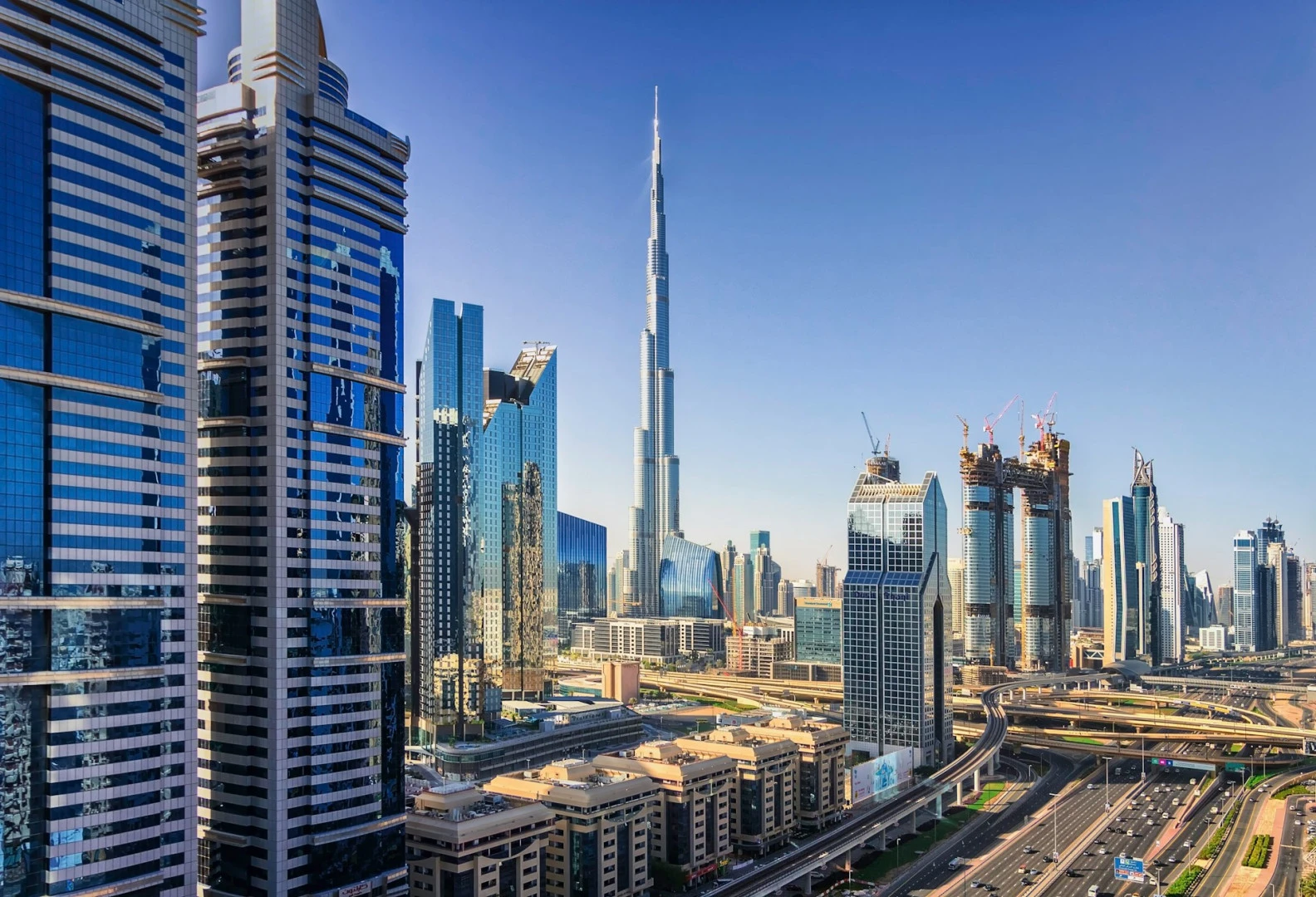

Off-plan properties
Property resale in Dubai is one of the strategies chosen by investors who aim to generate profit through capital appreciation. Unlike long-term rental investments, where the main income comes from regular rental payments, resale investments depend on choosing the right time to buy and sell.
This strategy requires careful market analysis, an understanding of specific areas, and accurate calculation of all expenses. Successful property flipping is an investment model with a clear logic: purchase a promising property at an attractive price, wait for its value to increase, and sell it at a profit.
The concept of property resale is straightforward: an investor purchases a property at an attractive price and later sells it for a higher amount after its value increases.
In Dubai, two main scenarios are the most common:
The first option is one of the most popular among investors. At the launch stage, developers often offer more attractive prices and payment terms, while property values may increase as construction progresses and the completion date approaches.
The secondary market also provides resale opportunities, but it requires deeper analysis. Investors need to evaluate the property's condition, actual demand, prices in comparable projects, and the asset's potential liquidity.
Dubai remains one of the most attractive real estate markets for international investors. One of the emirate's key advantages is the absence of capital gains tax. This allows investors to retain most of the difference between the purchase and sale prices, excluding applicable fees and transaction costs.
Another important factor is stable demand from international buyers. Dubai continues to develop as a global business and tourism hub, with a growing number of residents, companies, and investors.
Projects at early construction stages are particularly attractive. With the right choice of location and a reliable developer, property values can increase as infrastructure develops and the project moves closer to completion.
Location is one of the most important factors in property flipping. The stronger the demand for a particular area, the easier it is to find a buyer when exiting the investment.
Among the most popular areas for resale are:
When purchasing off-plan property, it is especially important to focus on projects by reputable developers and locations with clear investment potential. For ready properties, key factors include the apartment's actual appeal: condition, views, building quality, and current market demand.
The profitability of flipping depends on many factors: the purchase stage, market growth rate, selected project, and the timing of the sale.
In successful cases, investors may achieve property value growth of 10–20% or more. The most significant results are often seen when purchasing at the launch stage and selling closer to project completion.
However, it is important to understand that property resale is not a guaranteed source of income. The final result depends on market conditions, construction timelines, contract terms, and how quickly a buyer can be found.
One of the main mistakes made by beginner investors is calculating profit based only on the difference between the purchase and sale prices.
To determine the actual return on investment, it is necessary to consider:
These additional costs can significantly affect the final profit. Therefore, investors should calculate the net financial result in advance rather than focusing only on property price growth.
Flipping is not suitable for every investor. If the market grows slowly and the holding period is too short, buying and selling costs may reduce the overall return.
The project stage also matters. If an investor purchases a property after most of the price growth has already occurred, the potential for further appreciation may be limited.
Another risk factor is construction delays. If a project's completion is postponed, the investor's capital remains tied up longer than expected, which can negatively affect the attractiveness of the investment.
To make a flipping strategy more effective, investors should follow several key principles.
The first is choosing properties with clear growth potential. Buying at an early construction stage, analyzing the area, and selecting a reliable developer can help reduce risks.
The second is understanding the exit strategy in advance. Before purchasing, an investor should consider who the future buyer may be and when the property can realistically be sold — whether to another investor, an end-user, or a family looking for a home.
The third is carefully reviewing all transaction terms. This is especially important for off-plan properties, where investors need to understand assignment rules, payment schedules, and additional developer requirements.
Property resale in Dubai can become an effective short-term investment strategy when approached correctly. Success depends on selecting the right property, location, purchase and sale timing, as well as accurately calculating all related expenses.
For investors, flipping is not simply a way to benefit from rising property prices — it is a comprehensive investment model that requires analysis and careful planning.
The specialists at DDA, an international real estate agency, help clients find promising properties in Dubai, evaluate investment potential, and choose a strategy that matches their goals — from capital preservation to generating profit through property resale.