
RERA Rental Index Update 2025: Impact on Dubai Tenants
971 56 596-5009
day and night
Dubai
EN
$
ft²
Other articles

RERA Rental Index Update 2025: Impact on Dubai Tenants

Adam Musaitov The author of the article, the Broker
#Blog DDA
17 November 24570 views

Dubai's rental market continues to evolve rapidly. New residential districts are maturing, thousands of expatriates arrive each month, and rents in many communities have adjusted significantly over the past three years.

In this environment, one mechanism quietly shapes every renewal negotiation: the RERA Rental Index.

In 2025, Dubai's Real Estate Regulatory Agency (RERA), under the Dubai Land Department (DLD), introduced a major upgrade - the Smart Rental Index.

What the RERA Rental Index Actually Does

The RERA Rental Index determines whether a landlord can legally increase rent - and by how much - at the time of contract renewal.

Through the DLD website and the Dubai REST app, both tenants and landlords can view:

  • The current average market rent for similar units
  • Where the existing rent sits relative to that benchmark
  • The maximum legal increase, if any

These calculations are not suggestions - they form the basis of Dubai's rent regulation. If the calculator shows no increase is permitted, the landlord cannot legally raise the rent.

How Rent Caps Are Calculated (Legal Framework)

Dubai applies a tiered system to limit rent increases on renewals. The percentage cap depends on how far the current rent is below the RERA-referenced market average:

Difference from market average Maximum legal increase
0-10% below average 0%
11-20% below average 5%
21-30% below average 10%
31-40% below average 15%
40%+ below average 20%

If your rent is already aligned with the market, the law prohibits any increase at renewal.

What Changed in 2025: The Smart Rental Index

The 2025 upgrade brings several major improvements:

Rental values are now generated using real-time data, including Ejari registrations, market contracts, and building-level characteristics. This results in more accurate benchmarking.

Building-Level Classification

The old index treated every building in a district equally. The Smart Index considers:

  • Age and maintenance level
  • Facilities (pool, gym, security, parking)
  • Exact micro-location within the community

This reduces distortions where older towers were compared unfairly with new, premium developments.

More Frequent Updates

The index is now calibrated more often instead of once annually, helping rent caps reflect the market more closely.

Unified Transparency

Both parties see the exact same data. This eliminates guesswork and reduces disputes during renewal negotiations.

How to Use the Rental Index Calculator in 2025

Tenants can easily verify their rights by using the Rental Index tool.

Steps:

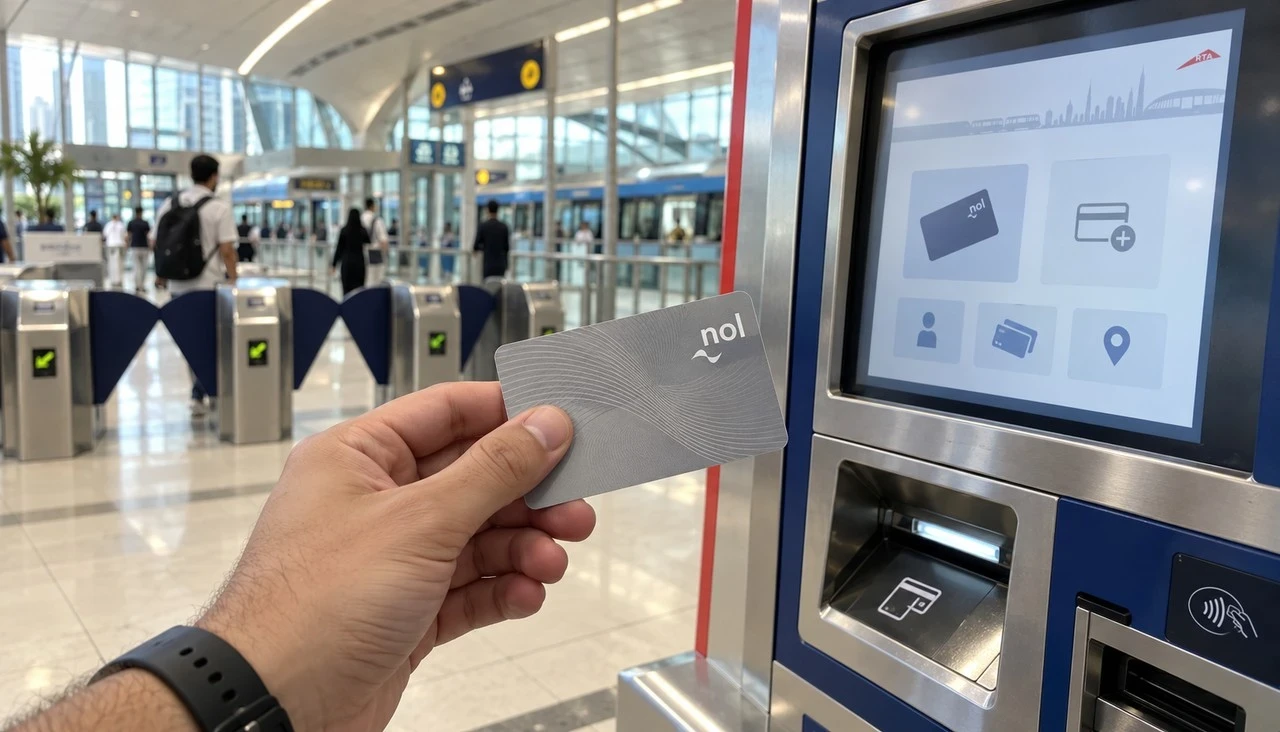
  1. Open the RERA Rental Index on the DLD website or Dubai REST app.
  2. Enter property details: community, type, bedrooms, and current rent.
  3. View the official market average and the legally allowed increase.
  4. Use the result as your reference during renewal negotiations.

If the calculator shows 0% allowed, the landlord cannot raise the rent, even if market conditions seem favourable.

What the 2025 Update Means for Existing Tenants

Stricter Protection for Rents Already Near Market Value

Because the updated index reflects recent data more accurately, many tenants now fall within the 0-10% band - meaning no legal increase.

Fairer Outcomes in Older Buildings

Older buildings in premium areas no longer inherit the high averages of new developments. This prevents disproportionate increases in aging or poorly maintained towers.

Stronger Dispute Resolution

If a landlord requests an increase above the permissible cap, tenants can rely on:

  • The index calculator result
  • The 90-day notice requirement
  • The Rental Dispute Settlement Center, if needed

Impact on New Tenants Entering the Market

Although the index governs renewals, it now influences new leases as well.

Soft Pricing Ceiling

New tenants frequently check index values before signing. If a price is far above the benchmark, they can negotiate or choose a more reasonably indexed building.

More Informed Area Comparisons

Renters can compare index values across districts - for example, JVC vs. Dubai Hills vs. Dubai Marina - to anticipate long-term affordability.

Increased Demand in Emerging Communities

As prime districts stabilise at higher levels, relocating tenants often choose emerging areas such as Arjan or Dubai South, attracted by better value and predictable future increases.

What Landlords and Investors Should Know

The Smart Rental Index is beneficial for investors as well.

Predictable Cash Flow

Rent caps and clearer benchmarks simplify long-term income planning and ROI modelling.

Stronger Tenant Retention

Reasonably priced units renew faster, maintain high occupancy, and reduce turnover costs.

Sustainable Rental Yields

Dubai remains one of the strongest rental markets globally, with yields typically between 5-8%. The updated index supports stable, long-term performance.

Multi-Year Leases: A Growing Trend in 2025

More tenants and landlords are agreeing to 2-3-year leases.

Tenants benefit from:

  • Predictable rent
  • Long-term planning for schooling and relocation
  • Reduced annual negotiation stress

Landlords benefit from:

  • Fewer vacancy periods
  • Lower marketing and agency costs
  • Stable rental income

Negotiating in 2025: Using the Index to Your Advantage

For tenants:

  • Check the Index at least 90 days before renewal
  • Rely on the calculator result as your legal reference
  • If an increase is allowed, consider negotiating based on term length, payment structure, or minor concessions

For landlords:

  • Use the index to justify reasonable increases
  • Ensure notices are issued within the legal 90-day period
  • Consider stability (reliable tenants) over maximum short-term rent

District-Level Trends in 2025

Sustainable Rental YieldsPrime Districts (Downtown, Marina, Palm, JBR)

Index values reflect years of strong demand. Renewals are typically stable, with limited upward movement.

Mid-Market Areas (JVC, Business Bay, Al Barsha)

Moderate increases may apply, depending on how current rents compare to the updated averages.

Emerging Communities (Arjan, Dubai South, Meydan)

Still competitively priced, with gradual annual adjustments expected as infrastructure develops. Overall, analysts expect stabilisation rather than sharp increases in 2025.

Common Misunderstandings About the Rental Index

"My landlord can increase the rent whenever they want."
Incorrect. Increases are allowed only at renewal, based strictly on index rules.

"The index automatically lowers high rents."
It limits increases - it does not reduce existing rents.

"Only apartments are covered."
The index covers apartments, villas, and townhouses.

"The calculator is advisory, not mandatory."
In practice, it is the main reference used in tenancy disputes.

Read also: "RERA Forms in Dubai: Complete Guide to Property Transaction Documents"

Frequently Asked Questions

Can my landlord increase rent mid-contract?
No. Increases apply only at renewal and must comply with the index.

How often is the Smart Rental Index updated?
More frequently than before, using ongoing data inputs rather than annual revisions.

Does the index apply to commercial units?
There are separate frameworks for commercial properties; this article focuses on residential.

What if my landlord ignores the allowed cap?
You may reject the increase and, if necessary, file a case with the Rental Dispute Settlement Center.

Are public notices required before renewal changes?
Yes. Landlords must provide 90 days' written notice unless the contract specifies otherwise.

The RERA Smart Rental Index 2025 is reshaping Dubai's rental market by reinforcing structure, data-based benchmarking, and clear legal boundaries. For tenants, it provides protection from excessive increases. For landlords and investors, it creates predictability and supports long-term rental performance.

At DDA Real Estate, we work with tenants, landlords, and investors daily to interpret the latest index values, negotiate renewals, identify high-performing rental opportunities, and build portfolios aligned with Dubai's evolving regulatory environment.

If you want clarity on how the updated Rental Index affects your current lease - or how it should shape your next investment - contact DDA Real Estate for personalised guidance based on your district, property type, and long-term goals.

Popular
5 June 1923957 views
Dubai Rent Prices 2025: Average Apartment Rental Costs in Dubai Dubai's rental market continues its upward climb in 2025, driven by population growth and limited new supply, pushing average prices up by 10%
#Blog DDA
2 July 966168 views
DLD Fees in Dubai: Everything You Need to Know Buying property in Dubai? Don't let hidden fees surprise you! Our essential guide breaks down ALL Dubai Land Department (DLD) fees
#Blog DDA
5 February 616266 views
How Foreigners Can Own Property in Bali: Understanding PT PMA (2025) Foreigners can't own freehold land in Bali, but a PT PMA (foreign-owned company) allows secure property ownership under Hak Guna Bangunan (HGB) or Hak Pakai (HP) rights
#Blog DDA
5 July 566874 view
How Much is the Real Estate Agent Commission in Dubai? Find out how much real estate agent commission costs when buying property in Dubai.
#Blog DDA
2 January 442260 views
Mortgage in Thailand: interest rates for foreigners Learn about mortgage options for foreigners in Thailand, including bank loans, developer financing, and eligibility criteria. DDA Real Estate offers expert guidance
#Blog DDA
28 August 374535 views
Oqood vs Title Deed in Dubai: Key Differences You Must Know Buying property off-plan in Dubai? Oqood registration is mandatory to secure your ownership rights.
#Blog DDA