
Thai culture explained: insights, customs, and practices
971 56 596-5009
day and night
Dubai
EN
$
ft²
Other articles

Understanding Thai Culture: Insights and Practices

Alexandra Yablokova The author of the article, the Broker
#Blog DDA
7 October 7308 views

Thailand isn’t just a tropical paradise — it’s a country built on respect, balance, and kindness.

For anyone relocating, investing, or doing business here, understanding Thai culture is the key to successful integration.

From the wai greeting to Buddhism-inspired daily rituals, Thailand’s traditions reflect a deep sense of social harmony and mindfulness. Learning them helps newcomers not only adapt but truly belong.

The Core of Thai Culture: Respect and Harmony

At the heart of Thai society lies the concept of “kreng jai” — a graceful awareness of others’ feelings. It’s about being considerate, avoiding conflict, and maintaining peace in both personal and professional relationships.

Key Values to Know

  • Respect for elders and hierarchy — age and experience matter.
  • Avoiding confrontation — Thais prefer diplomacy to direct criticism.
  • Saving face (rak sa naa) — preserving dignity in social situations.
  • Generosity and empathy (nam jai) — giving freely and sincerely.

For expats and investors, understanding these principles opens doors — both in the boardroom and in everyday life.

The Wai: Thailand’s Symbol of Respect

The wai — pressing your palms together near your chest and bowing slightly — is Thailand’s universal gesture of politeness.

It’s used to greet, thank, apologize, or say goodbye.

  • Use the wai when meeting locals or thanking someone.
  • Always return a wai offered by an elder or superior.
  • Smile — it completes the gesture and conveys sincerity.

In Thai culture, a warm smile is as powerful as a handshake in the West.

Buddhism and Spiritual Life

Over 90% of Thais are Buddhist, and this shapes how people think, work, and interact.

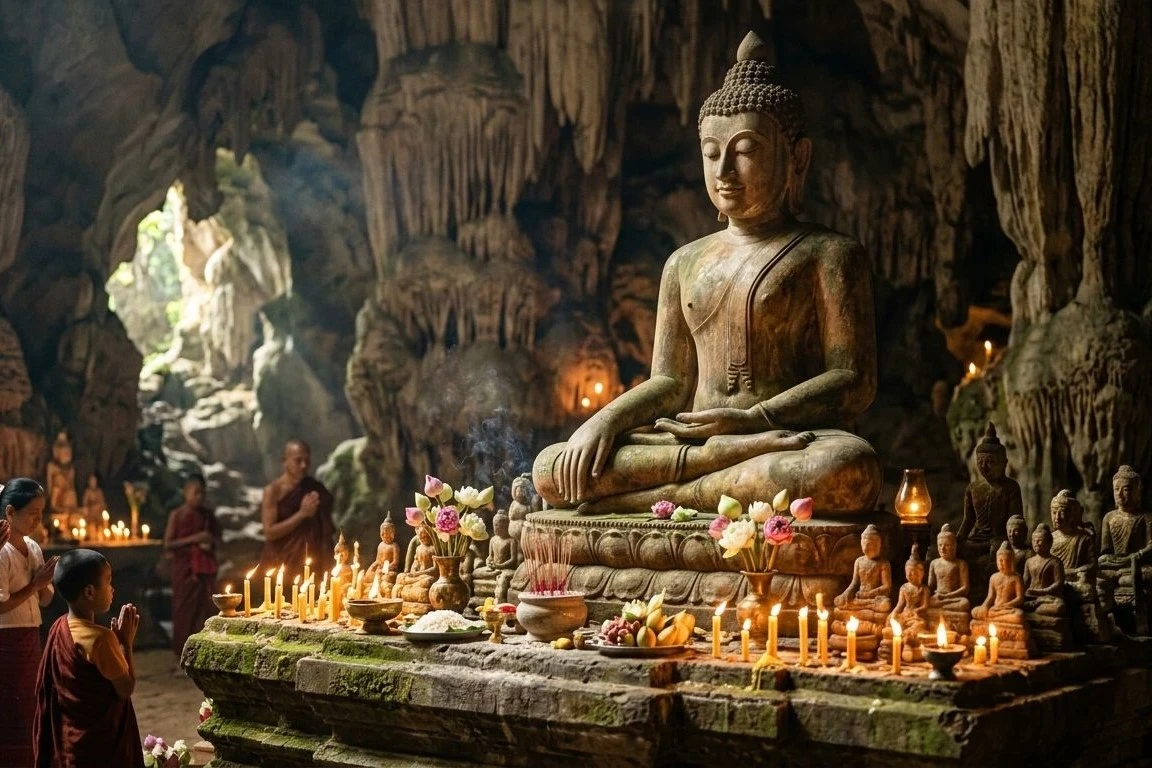
Temples (wats) are not just places of worship — they are community centers and schools of moral life.

Even modern homes and condominiums often feature a spirit house (san phra phum) — a small shrine honoring guardian spirits. Offerings of flowers, incense, or fruit symbolize gratitude and balance.

Etiquette at Temples

  • Dress modestly (cover shoulders and knees).
  • Remove shoes before entering.
  • Never touch someone’s head — it’s considered sacred.
  • Avoid pointing your feet toward Buddha statues or people.

Showing small gestures of respect earns immense appreciation from locals.

Communication Style: Polite, Gentle, and Indirect

Thais value subtlety. Tone, facial expression, and body language often say more than words.

Direct confrontation is avoided — harmony matters more than being “right.”

Common polite endings:

  • Khrap (ครับ) — for men.
  • Kha (ค่ะ) — for women.

Example: “Sawasdee khrap/kha” (hello) or “Khop khun khrap/kha” (thank you).

In conversation, calmness and humility are seen as strength, not weakness.

Workplace Culture in Thailand

In Thai workplaces, hierarchy and harmony coexist.

Decisions often flow from senior management, but teamwork, loyalty, and collaboration are highly valued.

Respectful communication, patience, and humility build trust — traits that are essential for long-term business success.

Foreigners who adapt to these dynamics quickly find themselves welcomed and respected by Thai colleagues.

Understanding workplace culture helps investors and entrepreneurs manage teams effectively and maintain positive professional relationships.

Food, Family & Togetherness

Meals in Thailand are more than just dining — they’re a celebration of community.

Food is shared, and the act of eating together strengthens social bonds.

Dining Etiquette

  • Wait for the oldest person to begin.
  • Don’t take the last portion unless offered.
  • Always express appreciation for the meal.

In Thailand, sharing food is sharing friendship — a small yet powerful gesture of connection.

Festivals & Traditions

Festival Month Significance
Songkran April Thai New Year — a joyful water festival symbolizing renewal.
Loy Krathong November Floating lanterns to honor the water goddess.
Chinese New Year Jan–Feb Widely celebrated, especially in Bangkok and Phuket.
Phuket Vegetarian Festival October Spiritual cleansing and devotion ceremonies.

Each festival showcases Thailand’s unique blend of faith, fun, and family values.

The Modern Thai Mindset

Modern Thailand is a country where ancient wisdom and modern ambition walk hand in hand.

In Bangkok, glass skyscrapers rise beside centuries-old temples, while in Phuket and Chiang Mai, digital nomads sip coconut lattes under palm trees within sight of Buddhist shrines. This seamless coexistence of old and new defines the modern Thai identity — a culture that evolves without ever losing its soul.

Thailand’s national character is built on adaptability and balance. The same values that once shaped its temples and family traditions now influence its business practices, design, and urban development. Progress here isn’t about replacing the past — it’s about building upon it.

1. Balance as a Way of Life

In Thailand, progress is measured not only by economic growth but also by emotional wellbeing and social harmony.

The guiding cultural principle of “sabai sabai” — meaning “relaxed comfort and ease” — remains central even in the country’s most dynamic cities.

People work hard, innovate, and expand globally — yet they do so with calmness and compassion, guided by the Buddhist idea of moderation.

This philosophy shapes everything from business decisions to daily interactions: success must never come at the expense of respect, kindness, or inner peace.

That’s why Thailand feels modern — but never rushed. Ambitious — but never aggressive. Its modernity breathes with mindfulness.

2. Innovation with Cultural Roots

Today’s Thailand is a creative powerhouse in Southeast Asia. The country is:

  • A regional hub for tech startups and digital innovation, attracting entrepreneurs from across the globe;
  • A leader in wellness, medical tourism, and sustainable design;
  • A hotspot for smart urban planning and eco-conscious architecture — blending tradition with modern aesthetics.

Yet even in this progress, Thai culture remains visible: modern condominiums include shrines for spirit houses, corporate meetings begin with a wai, and new-generation entrepreneurs often consult monks for auspicious business blessings.

Modern Thai innovation always keeps one foot grounded in spirituality — it’s the perfect example of how culture can evolve without erasing its roots.

3. A Magnet for Global Citizens

This harmony between tradition and modernity is what draws expats, digital nomads, and investors to Thailand.

Here, one can experience both the efficiency of modern infrastructure and the gentleness of human connection.

High-speed internet, modern healthcare, and global education coexist with smiles, markets, temples, and the easy rhythm of island life.

For digital nomads, it means working remotely in a country that feels emotionally warm and socially stable.

For investors, it means developing property or business ventures in a nation that values sustainability and harmony.

For families, it means raising children in a society that teaches respect, empathy, and balance from a young age.

In Thailand, success is redefined — not just as financial growth, but as the ability to live well and live kindly.

4. The Human Core of a Modern Nation

Despite rapid development and global connectivity, Thailand remains deeply human.

People still greet strangers with a smile, help neighbors without hesitation, and celebrate festivals with joy and generosity.

Even the busiest entrepreneur pauses to make an offering at the family spirit house before heading to the office — a quiet reminder that life’s prosperity comes from gratitude, not just ambition.

This is the essence of modern Thailand: a nation moving forward at full speed, yet anchored by compassion, spirituality, and the enduring grace of its people.

For expats and investors, this unique balance creates something rare — a modern country that still feels warm, welcoming, and profoundly alive.

Cultural Don’ts — Quick Reference

Behavior Why Avoid It
Touching someone’s head The head is sacred in Thai belief.
Public arguments or shouting Causes “loss of face” — viewed as disrespectful.
Disrespecting Buddha images Considered a legal offense; deeply offensive.
Pointing with your feet Feet are seen as the lowest, least respectful part of the body.

Showing awareness of these simple rules earns instant respect and smoother social interactions.

Cultural Awareness for Expats & Investors

For expats and property buyers, understanding Thai culture is not just about etiquette — it’s a strategic advantage.

At DDA Real Estate, we guide clients through both the legal and cultural aspects of relocation.

We help you:

  • Build rapport with local developers and partners;
  • Communicate respectfully with Thai officials and neighbors;
  • Integrate smoothly into your new community.

Because success in Thailand isn’t only about where you live — it’s about how you live.

Key Takeaways — Understanding Thai Culture

  • Respect, humility, and harmony are at the heart of Thai society.
  • The wai and the Thai smile are universal signs of respect.
  • Buddhism shapes daily routines and values.
  • Avoid conflict, show kindness, and practice patience.
  • Modern Thailand is globally connected yet culturally rooted.

Read also: Property Purchase Taxes in Thailand 2025 Explained Which real estate in Thailand to choose Property investment in Thailand for foreigners.

How DDA Real Estate Helps

At DDA Real Estate, we don’t just sell properties — we help our clients build a meaningful life in Thailand.

Our multilingual consultants understand both the business environment and the cultural nuances that shape everyday living.

We bridge cultures — ensuring your transition to Thailand feels effortless, authentic, and enriching.

Contact DDA Real Estate today for relocation support, property consulting, and cultural guidance.

Our team will help you find not just a home — but a community that feels like one.

Live beautifully, invest wisely, and embrace the Thai way of life with DDA Real Estate.

Popular
5 June 1739619 views
Dubai Rent Prices 2025: Average Apartment Rental Costs in Dubai Dubai's rental market continues its upward climb in 2025, driven by population growth and limited new supply, pushing average prices up by 10%
#Blog DDA
2 July 833364 view
DLD Fees in Dubai: Everything You Need to Know Buying property in Dubai? Don't let hidden fees surprise you! Our essential guide breaks down ALL Dubai Land Department (DLD) fees
#Blog DDA
5 February 563535 views
How Foreigners Can Own Property in Bali: Understanding PT PMA (2025) Foreigners can't own freehold land in Bali, but a PT PMA (foreign-owned company) allows secure property ownership under Hak Guna Bangunan (HGB) or Hak Pakai (HP) rights
#Blog DDA
5 July 489510 views
How Much is the Real Estate Agent Commission in Dubai? Find out how much real estate agent commission costs when buying property in Dubai.
#Blog DDA
2 January 419265 views
Mortgage in Thailand: interest rates for foreigners Learn about mortgage options for foreigners in Thailand, including bank loans, developer financing, and eligibility criteria. DDA Real Estate offers expert guidance
#Blog DDA
28 August 339255 views
Oqood vs Title Deed in Dubai: Key Differences You Must Know Buying property off-plan in Dubai? Oqood registration is mandatory to secure your ownership rights.
#Blog DDA