Living Near Tourist Streets in Thailand
971 56 596-5009
day and night
Dubai
EN
$
ft²
Other articles

Living Near Tourist Streets in Thailand

Maxim Shramko The author of the article, the Broker
#Blog DDA
17 October 252 view

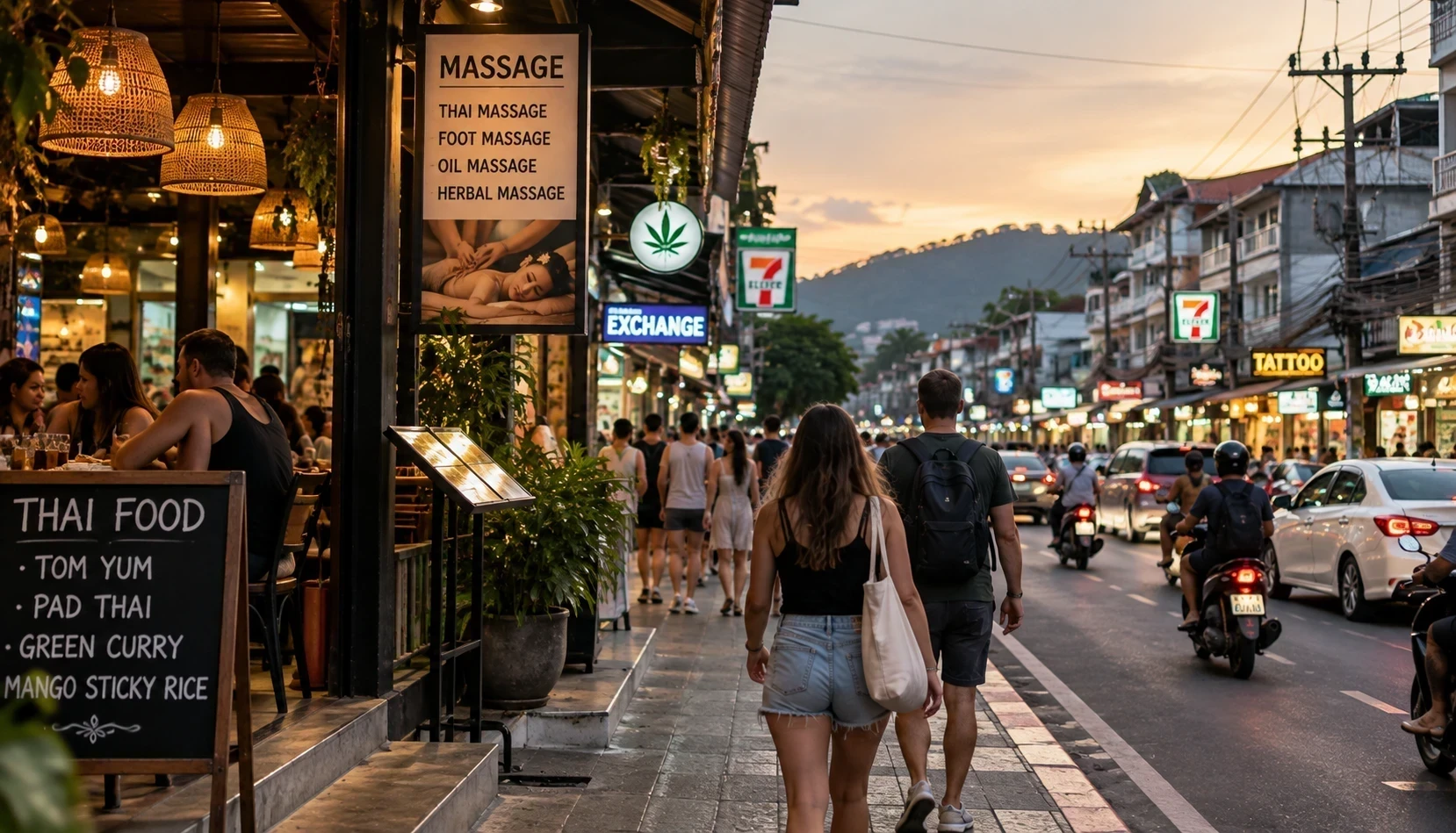
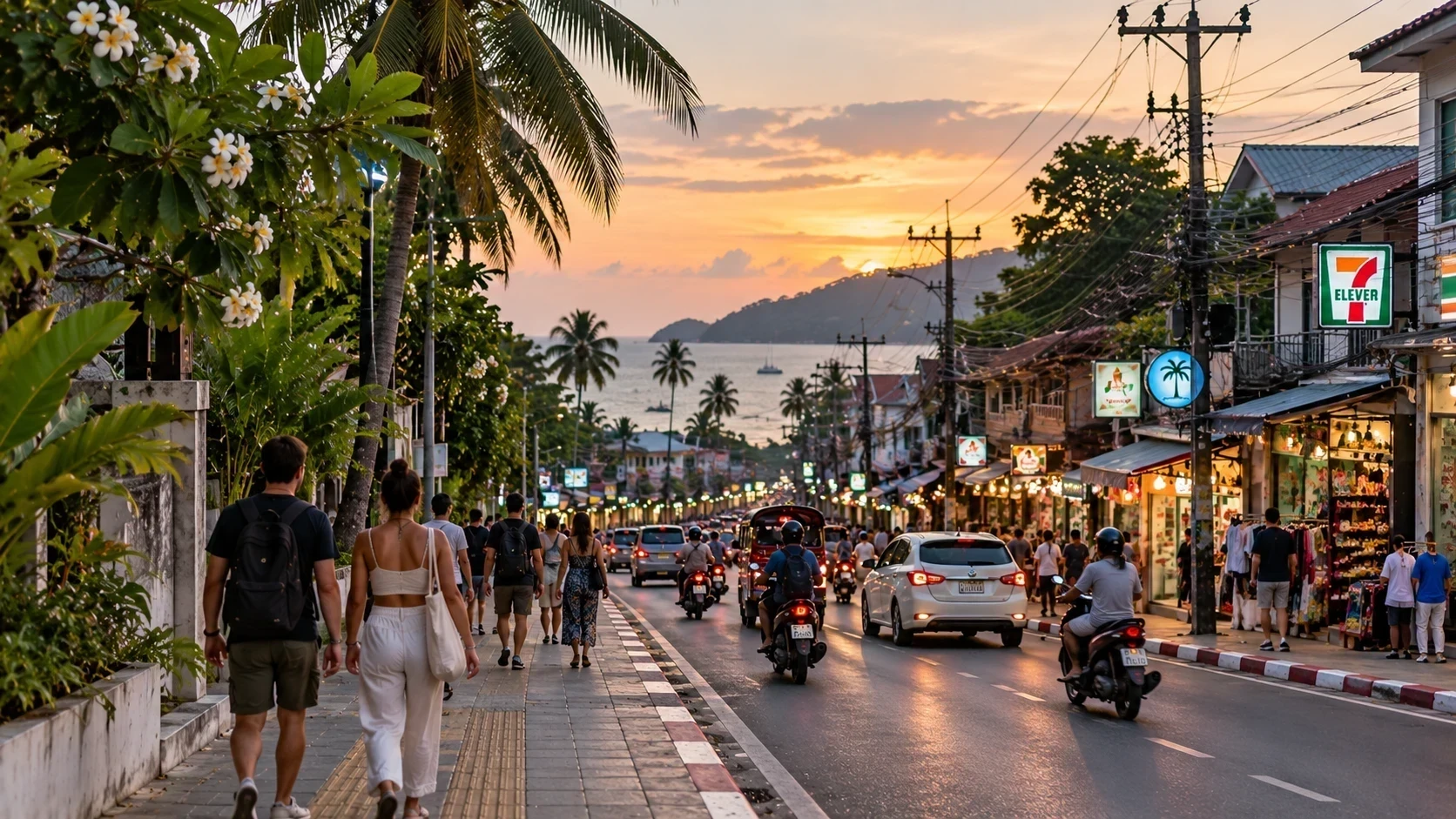
Living near a tourist street in Thailand can make daily life convenient: restaurants, convenience stores, transport and entertainment may be within walking distance. But a street that feels exciting on holiday can be difficult to live beside every night.

The decision depends less on the district's reputation than on the exact building, its orientation and the hours when nearby businesses operate. Here is what to check before signing a lease or buying a home.

Noise Changes After Dark

A quiet afternoon viewing says little about an entertainment street. Music, low-frequency bass, motorbikes, people leaving bars and early-morning deliveries can continue long after restaurants stop serving dinner. In designated tourist areas, certain licensed entertainment venues have been permitted to operate until 4 a.m.; that does not mean every venue has the same permission.

Inspect the bedroom at night, not just the balcony at noon. Close the windows, turn off the television and listen for bass and traffic. A unit facing an internal courtyard may feel different from one overlooking the main road, even within the same condominium. Higher floors are not automatically quiet: sound can travel across open spaces.

Convenience Comes With Crowds

Tourist streets concentrate food, pharmacies, laundry shops and late-opening businesses. For someone who prefers walking, this can reduce the need for a vehicle. Yet busy pavements, parked motorbikes, queues and street vendors can make a short journey inconvenient, particularly with a stroller or luggage.

Check whether the property connects to a genuinely walkable neighborhood, rather than relying on map distance alone. Walk to a supermarket and pharmacy, cross the main road and try the route after dark. In Bangkok, a nearby rail station may matter more than a long row of bars; on Phuket or Samui, the availability of practical transport alternatives becomes especially important.

Traffic, Deliveries and Access

A busy tourist road can be slow at dinner time and crowded again when venues close. Taxi pickups may be difficult immediately outside the building, and delivery drivers may block narrow entrances. Emergency access and building drop-off arrangements deserve attention, especially on one-way lanes.

Try the same journey at morning rush hour and late evening. Ask whether taxis can enter the property, where delivery riders wait and whether there is another exit when the main road is congested. A home a short walk behind the entertainment strip can offer easier access without facing the busiest frontage.

Daily Services Versus Holiday Services

Restaurants and beach clubs are useful amenities, but they are not substitutes for a grocery store, clinic, pharmacy, bank or dependable internet connection. Some tourist-oriented businesses reduce hours or close during slower periods. The right mix depends on whether you are visiting for weeks or staying for years.

Evaluate essential daily infrastructure within the routes you actually use. Remote workers should test internet reliability and daytime noise; families should check school travel, safe crossings and access to medical care. Do not assume that an address with many five-star hotels is equally convenient for ordinary errands.

Seasonality Changes the Neighborhood

The character of a resort street may change considerably between peak visitor months and the rainy or quieter season. In busy periods, residents may face heavier traffic and crowded common areas. In quieter months, some services may reduce operating hours, while maintenance or construction becomes more noticeable.

Assess year-round suitability rather than judging the address during a single holiday. Ask long-term residents what remains open, whether the access road floods after heavy rain and whether nearby units are occupied permanently or mainly by visitors. Bangkok's urban streets and island resort strips do not follow identical seasonal patterns.

Building Management Matters

Two apartments on the same street can offer very different living conditions. Controlled entry, staffed reception, sound-insulating windows, designated delivery areas and clear rules for shared spaces all affect comfort. A building with frequent guest turnover may feel more like accommodation for visitors than a stable residential community.

Ask the juristic office or manager about guest access, noise complaints, renovation hours and how rules are enforced. If you plan to rent out a condominium by the night, do not assume tourist demand makes it lawful: short-term accommodation is subject to Thai hotel rules and condominium restrictions. A draft reform discussed in 2026 does not itself change the rules currently in force.

What to Compare Before Committing

A property tour should include a second visit at the least convenient time. The following comparison helps separate a lively but manageable location from one likely to disrupt daily routines.

FactorBetter signWarning sign
Night noiseBedroom quiet after darkMusic or bass audible with windows closed
AccessClear entrance and alternate routePickup congestion or blocked lane
Daily needsGroceries, pharmacy and transport nearbyOnly tourist-focused businesses
BuildingControlled access and clear house rulesUnmanaged guest traffic
SeasonalityServices and access work year-roundStrong dependence on peak tourism

Renting or Buying Near a Tourist Street

For a short stay, immediate access to nightlife may outweigh occasional disturbance. For long-term living, sleep quality, safe walking routes, grocery access and dependable transport usually become more important. Buyers should also consider the possibility that a neighboring venue changes operator or an empty lot becomes a construction site.

Try a short legal rental before making a long commitment when possible. If purchasing, review the building rules, inspect the property at different hours and assess the surrounding land uses. A lively location can be suitable, but only when the specific apartment protects the routines that matter to you.

Frequently Asked Questions

Is a home one street away from nightlife usually quiet?

Not necessarily. Building orientation, open courtyards, traffic routes and nearby venues matter more than a simple distance on a map. Visit after dark.

Do entertainment venues across Thailand close at 4 a.m.?

No. Extended hours apply to eligible licensed venues in designated areas and under relevant conditions; they are not a nationwide entitlement for every bar.

Is a high-floor condo protected from street noise?

Not automatically. High floors may reduce some road sounds but can still receive music and bass. Test the actual unit at night.

Should families avoid all tourist neighborhoods?

No. Some have useful services and convenient transport. Families should assess crossings, late-night activity, school routes and building security at the exact address.

Can a condo near tourist streets be rented out nightly?

Tourist demand does not establish legal permission. Thai hotel legislation, condominium regulations and the property's lawful use must be checked before advertising short stays.

What to Remember

  • Night visits are essential — check bedroom noise when bars and traffic are busiest.
  • Street-level access matters — walk real routes rather than relying on map distances.
  • Daily needs come first — clinics, groceries and transport matter beyond holiday amenities.
  • Seasons change conditions — assess access and services outside peak tourism months.
  • Building rules matter — check security, guest turnover and lawful rental use.

Find a Home That Fits Your Routine

DDA Real Estate helps you compare homes in Thailand by noise levels, daily services and access to transport.

Explore our properties in Thailand and leave an enquiry: tell us your preferred area and lifestyle so we can suggest suitable options.

Popular
5 June 4399164 view
Dubai Rent Prices 2025: Average Apartment Rental Costs in Dubai Dubai's rental market continues its upward climb in 2025, driven by population growth and limited new supply, pushing average prices up by 10%
#Blog DDA
8 October 2546145 views
DLD Fees in Dubai: Everything You Need to Know Buying property in Dubai? Don't let hidden fees surprise you! Our essential guide breaks down ALL Dubai Land Department (DLD) fees
#Blog DDA
23 November 2037231 view
How to Buy a SIM Card in Turkey in 2026: Prices, IMEI Registration, eSIM Options, and Best Mobile Operators Overview of mobile operators, available types of SIM cards, and home Internet providers
#Blog DDA
5 July 1877337 views
How Much is the Real Estate Agent Commission in Dubai? Find out how much real estate agent commission costs when buying property in Dubai.
#Blog DDA
5 February 1517040 views
How Foreigners Can Own Property in Bali: Understanding PT PMA (2025) Foreigners can't own freehold land in Bali, but a PT PMA (foreign-owned company) allows secure property ownership under Hak Guna Bangunan (HGB) or Hak Pakai (HP) rights
#Blog DDA
28 August 1297674 view
Oqood vs Title Deed in Dubai: Key Differences You Must Know Buying property off-plan in Dubai? Oqood registration is mandatory to secure your ownership rights.
#Blog DDA