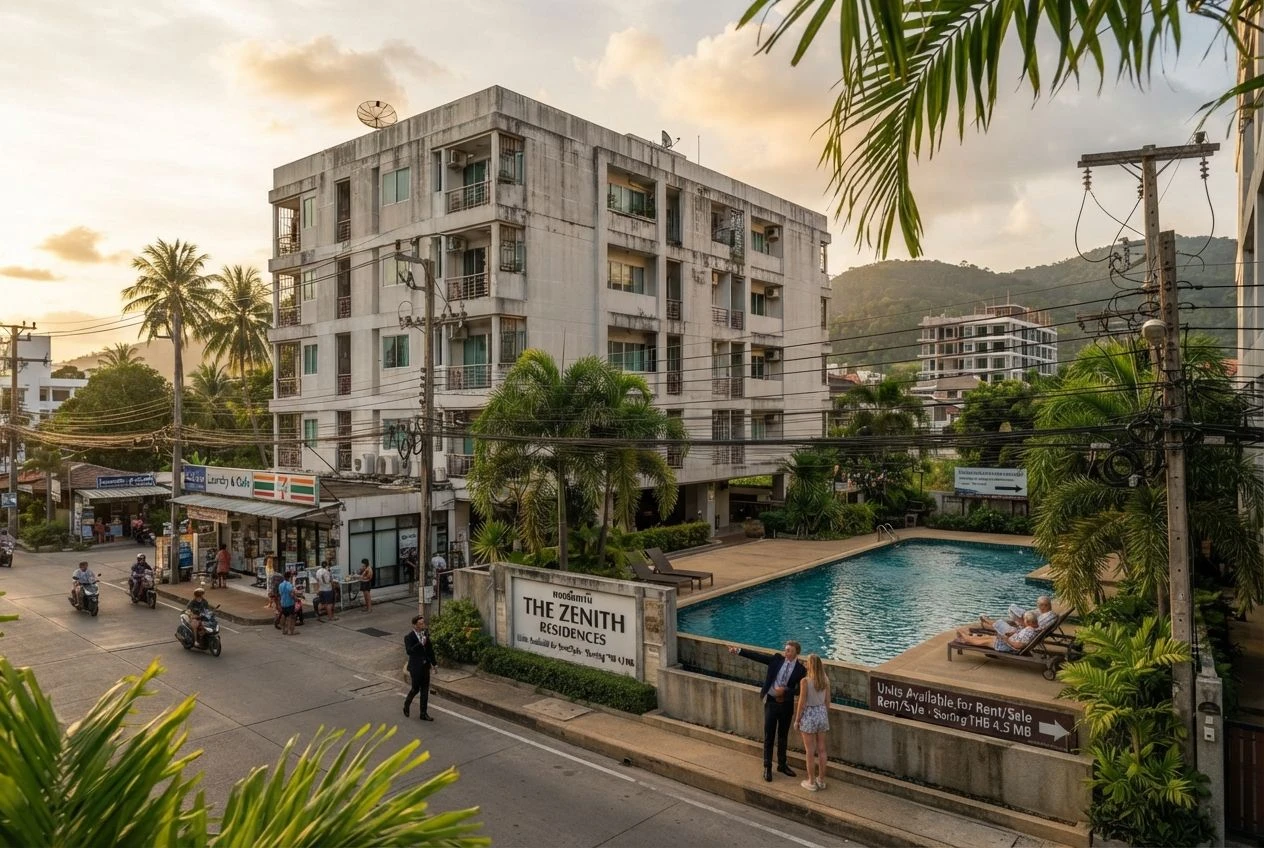

A one-bedroom in a new tower can look like a bargain next to the developer's brochure, and then a resale unit on the same street sells for noticeably less. Overpricing in Thai condos usually sits in the gap between the listed price and what comparable units actually sell for. Price per square meter, closing costs and monthly fees show that gap before any deposit changes hands.
Why Condos Get Overpriced
Developers price launches with more than construction costs in mind. The figure can include the brand of the project, the location story, furniture packages and incentives, and units in the foreign freehold quota are sometimes sold at a premium. Resale sellers often anchor on the price they paid or on the highest asking price in the building. Official records rarely help, because Land Department valuations used for transfer taxes often sit below the market price.
Listings show what sellers ask, not what buyers pay. A unit can stay online at a high price for a long time, and a few such listings make the whole building look more expensive than it is. A price counts as overpriced when similar units in the same building or nearby sell for less, and the only way to see that is to compare actual deals with the asking figure.
What Are the Warning Signs of an Inflated Price
Overpricing is rarely obvious from a single listing, but several signals together point to a price that sits above the market. These signs appear at the viewing stage, in the documents, or in how the seller behaves during negotiations, and each one is worth checking before a deposit is discussed.
- A price per square meter far above other units in the same building. Units of similar size, floor and condition should sit in a close range, and a large gap needs a reason.
- A foreign freehold premium on top of the base price. Some developers charge extra for units in the foreign quota, so the same layout in the Thai quota can cost less.
- A furniture package or incentive built into the price. Furniture bundled into the contract raises the total, and the invoice should be shown separately.
- A yield figure calculated on the asking price with no fees, taxes or vacancy. Such numbers look attractive and fall apart once running costs are counted.
- A view or floor premium with no visible difference. Floor and view do change price, but the step between levels should match what the listings of neighbours show.
- A listing that stays online for months at the same price. Long exposure without offers usually means the market disagrees with the seller.
- Pressure to pay a deposit quickly. A fair price survives a few days of checking.
How to Compare the Price per Square Meter
Price per square meter is the fastest way to put different units on one scale. The figure only works when the same area is used everywhere, so the first step is to confirm which one counts.
- Ask which area the price is based on and compare it with the floor plan and the title documents, since balcony and common space can be included in some brochures.
- Divide the price by the area. For example, 4,200,000 baht for 35 square meters gives 120,000 baht per square meter.
- Collect asking prices for similar units in the same building, matching floor, view, layout and condition.
- Add two or three other buildings within walking distance of the same station and compare the same figure.
- Ask agents and the building's juristic office for prices of units that actually sold, then recalculate.
- Adjust for furniture, renovation and the foreign quota premium so that every unit is compared on equal terms.