Off-plan properties
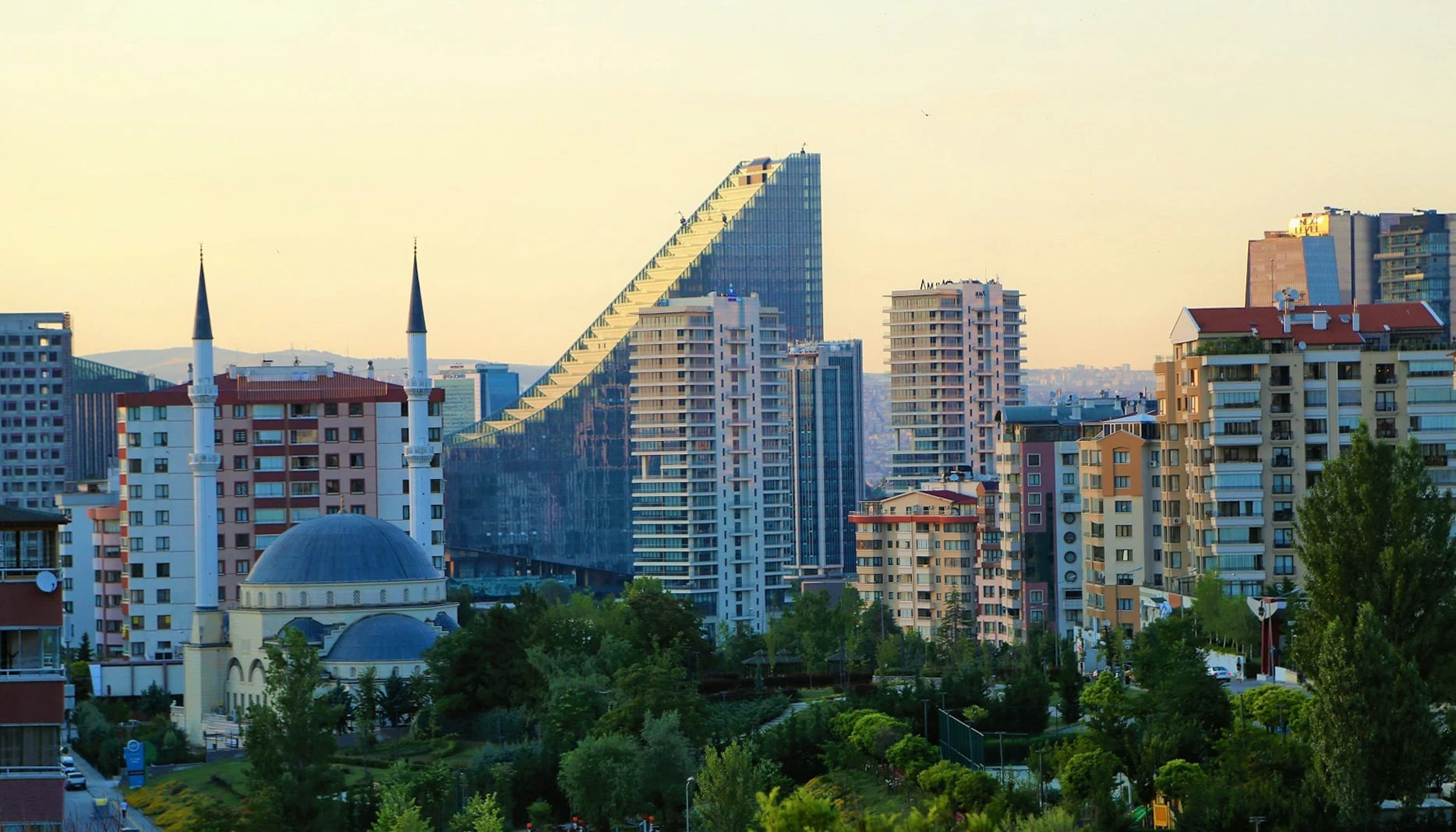
Ankara may not have the same tourist fame as Istanbul or the resort atmosphere of Antalya, but as the capital of Turkey it offers a unique mix of history, politics, culture, and modern city life. In recent years the city has also expanded its cultural scene, museums, parks, and gastronomy, making it increasingly interesting for visitors.
If you are planning a trip and wondering what to see in Ankara, here are seven experiences that help you understand the character of the Turkish capital.
Anıtkabir remains the most important landmark in Ankara and one of the most symbolic places in Turkey. It is the mausoleum of Mustafa Kemal Atatürk, the founder of the Turkish Republic.
The complex includes ceremonial courtyards, monumental architecture, and a large museum dedicated to the history of the Turkish War of Independence and the early years of the republic. The changing of the guards ceremony is one of the highlights for visitors.
Early morning visits are recommended, especially during weekends and national holidays when visitor numbers increase.
Ankara Castle is one of the oldest structures in the city and offers some of the best panoramic views over the capital.
The surrounding district preserves elements of old Ankara with narrow streets, restored Ottoman houses, artisan workshops, and small cafés. Many of the historic buildings have been converted into boutique shops and cultural spaces.
The area is particularly popular for photography and evening walks.
Located near Ankara Castle, the Museum of Anatolian Civilizations is widely considered one of Turkey's most important museums.
Its collections trace the history of Anatolia from prehistoric periods through the Hittite, Phrygian, Urartian, Roman, and Ottoman eras. The museum is internationally recognized for the quality of its archaeological exhibits.
For visitors interested in history, it provides one of the most comprehensive overviews of the region's ancient civilizations.
Kızılay Square is the modern center of Ankara and one of the busiest areas of the city.
It is surrounded by shopping streets, cafés, restaurants, and entertainment venues. The district is also a major transport hub where several metro and bus lines intersect.
In the evening the area becomes lively with students and young professionals, giving visitors a glimpse into everyday urban life in the capital.
Gençlik Park is one of Ankara's oldest public parks and remains a popular recreational area.
The park features walking paths, lakes, gardens, cafés, and small amusement attractions. Families often visit during weekends, but it is also a peaceful place for travelers looking to take a break from the city's busy districts.
In the evenings the park is known for its illuminated fountains and relaxed atmosphere.
Hamamönü is a restored historic neighborhood that showcases Ottoman-era architecture and traditional urban design.
Cobblestone streets, wooden houses, craft stores, and art galleries create a unique cultural environment. The area has become a favorite destination for both locals and visitors interested in traditional Turkish culture.
It is also known for its restaurants and cafés offering local dishes, Turkish coffee, and traditional desserts.
For those interested in performing arts, the Ankara State Opera and Ballet offers high-quality productions throughout the year.
Performances include opera, ballet, and classical music concerts. Tickets are generally affordable compared to many European opera houses, making it a great opportunity to experience Turkish performing arts.
The venue itself is one of the cultural centers of Ankara.
If you only have one day to explore Ankara, it is still possible to see several major attractions.
This itinerary combines history, culture, and local lifestyle, giving a well-rounded introduction to the capital.
Although Ankara attracts fewer international tourists than Istanbul or Turkey's coastal resorts, the capital offers a completely different perspective on the country. Instead of focusing on mass tourism, Ankara reflects the political, cultural, and intellectual life of modern Turkey. It is the place where history, government, education, and everyday urban life come together.
One of Ankara's biggest advantages is its authenticity. While cities like Istanbul and Antalya are heavily shaped by tourism, Ankara remains primarily a city for locals. This gives visitors a more genuine experience of Turkish culture, daily routines, and contemporary society. Walking through its districts, you will see university campuses, government institutions, local markets, and cafés filled with students and professionals rather than tour groups.
The city is also a major cultural center. Ankara is home to some of Turkey's most important museums, including the Museum of Anatolian Civilizations, which showcases thousands of years of history from ancient Anatolia. The capital also hosts national theaters, concert halls, art galleries, and the Ankara State Opera and Ballet, making it one of the country's leading destinations for performing arts.
Education plays a major role in shaping the city's atmosphere. With numerous universities such as Middle East Technical University (METU), Bilkent University, Hacettepe University, and Ankara University, the city has a large student population. This brings energy to the local culture, from lively cafés and bookstores to art festivals and cultural events throughout the year.
Another reason Ankara is worth visiting is its historical depth. Although it is known as the modern capital of Turkey, the city has roots that go back thousands of years. Ancient civilizations including the Phrygians, Romans, Byzantines, and Ottomans all left their mark here. Historic sites such as Ankara Castle and Roman ruins coexist with modern government buildings and contemporary architecture.
Compared with major tourist hubs, Ankara also offers a more relaxed travel experience. Attractions are less crowded, prices are often lower, and exploring the city feels more comfortable and unhurried. Visitors can spend time walking through parks, historic districts like Hamamönü, or lively areas such as Kızılay without the overwhelming crowds typical of larger tourist destinations.
For travelers interested in history, politics, education, and authentic urban culture, Ankara provides a richer understanding of modern Turkey. It may not be the country's most famous tourist destination, but for many visitors it becomes one of the most memorable and insightful stops in their journey.
Is Ankara worth visiting in 2026?
Yes. The city offers important historical sites, museums, and cultural venues, making it an interesting destination for travelers interested in history and modern Turkish life.
Is Ankara a good city for first-time visitors to Turkey?
Yes. Ankara offers a balanced introduction to the country's history, culture, and modern life without the overwhelming crowds of major tourist hubs.
Which areas of Ankara are most interesting for tourists?
The historic district around Ankara Castle, the cultural area of Hamamönü, and the lively center of Kızılay are among the most popular places to explore.
When is the best time to visit Ankara?
Spring (April--June) and autumn (September--October) are the most comfortable seasons, with mild temperatures ideal for walking and sightseeing.
Is Ankara an expensive city for travelers?
Compared with Istanbul, Ankara is generally more affordable. Accommodation, restaurants, and transportation tend to be reasonably priced.
Visiting Ankara often reveals more than expected. Many international visitors and expats discover that the capital also offers growing opportunities for living and investment — from modern apartments in central districts like Kızılay to family housing areas around Çankaya.
If you are interested in exploring property opportunities in Ankara or other cities in Turkey, the team at DDA Real Estate can help you find options that match your lifestyle and investment goals.