Off-plan properties
Turkey rewards some people generously and punishes others quietly. The dividing line is not where you live or how much you spend — it is what currency your income arrives in.
Mediterranean weather, exceptional food, low nominal costs and one of the fastest routes to a second passport sit alongside persistent inflation, a lira that has lost most of its value against the dollar since 2018, and residency rules that have tightened considerably in the most desirable districts.
This guide works through six dimensions of daily life with the case on both sides, then applies them to four common situations. Figures reflect August 2026 and move fast in this market — verify current numbers before committing, and treat this as general information rather than legal or tax advice.
The same country produces radically different experiences depending on which of these applies to you.
| Dimension | The case for | The case against | Matters most to |
|---|---|---|---|
| Financial | Low nominal costs, foreign income untaxed in most cases | Currency volatility, persistent inflation | Pensioners, remote workers |
| Practical | Strong transit, high-quality private healthcare | Traffic, closed districts for residence permits | Families, older residents |
| Social | Genuine hospitality, family-centred culture | Limited English outside tourism zones | Single relocators, non-linguists |
| Bureaucratic | Fast property purchase, simple tax registration | Residence permit unpredictability | Anyone not on the investment route |
| Cultural | History, cuisine, geography | Adjustment for Western expatriates | Family relocations, long stays |
| Political | Strategic location, active civil life | Tensions around election cycles | Business owners with local staff |
The financial row carries the most weight for the most people, because it is the one that compounds. A cultural adjustment is made once; a currency mismatch repeats every month.
Nominal costs are genuinely low. A mid-range two-bedroom apartment in central Antalya rents for 25,000 to 40,000 lira, restaurant meals run 250 to 500, and a weekly grocery shop for two comes to 3,500 to 5,000. Utilities cost roughly 40 to 60 per cent of Western European rates.
Healthcare economics are the strongest single argument. A private consultation costs 500 to 1,000 lira, an MRI 3,000 to 6,000, and annual private cover for a healthy forty-year-old 5,000 to 15,000 — a fraction of comparable British or American pricing for facilities that meet international accreditation standards.
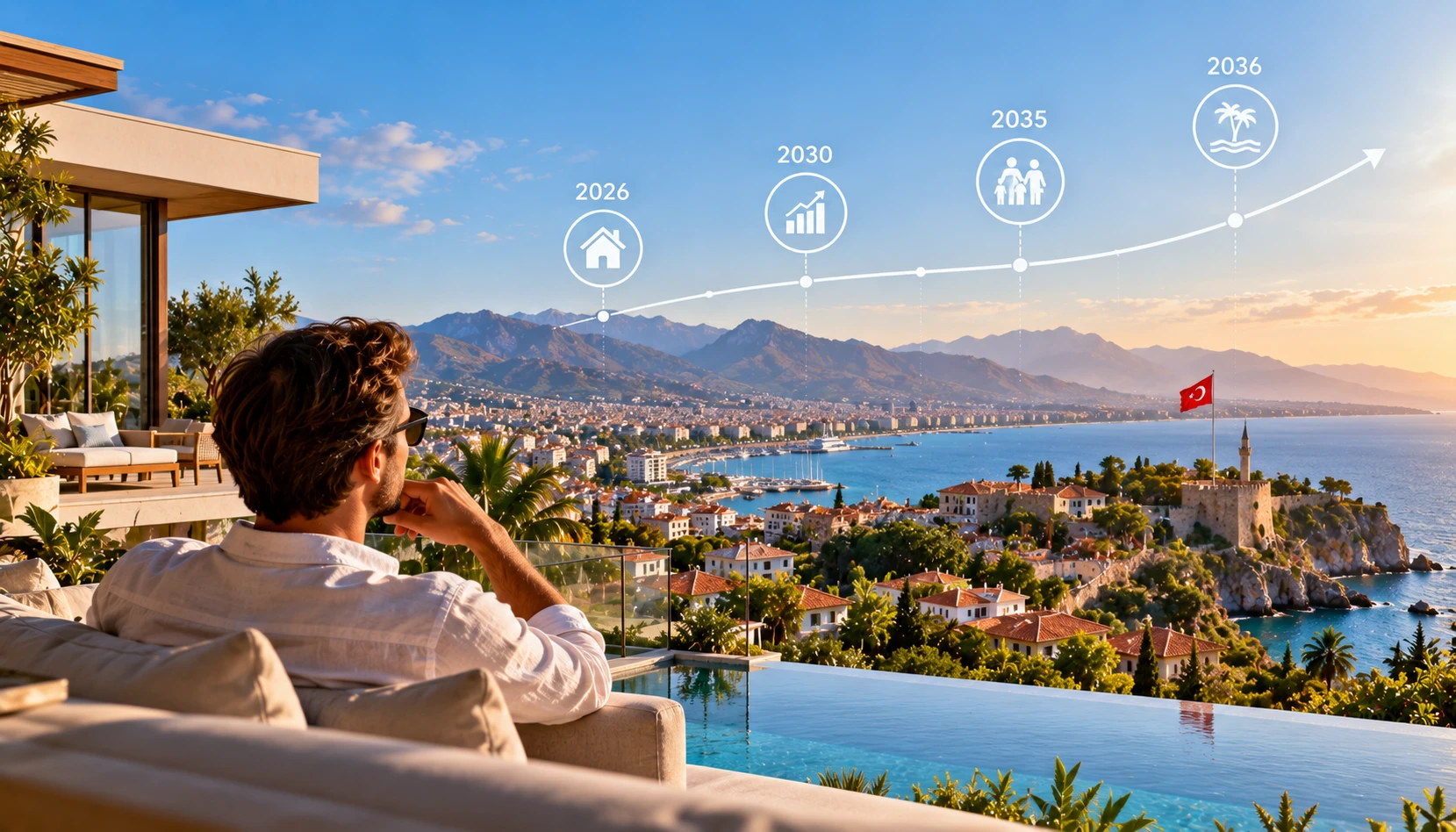
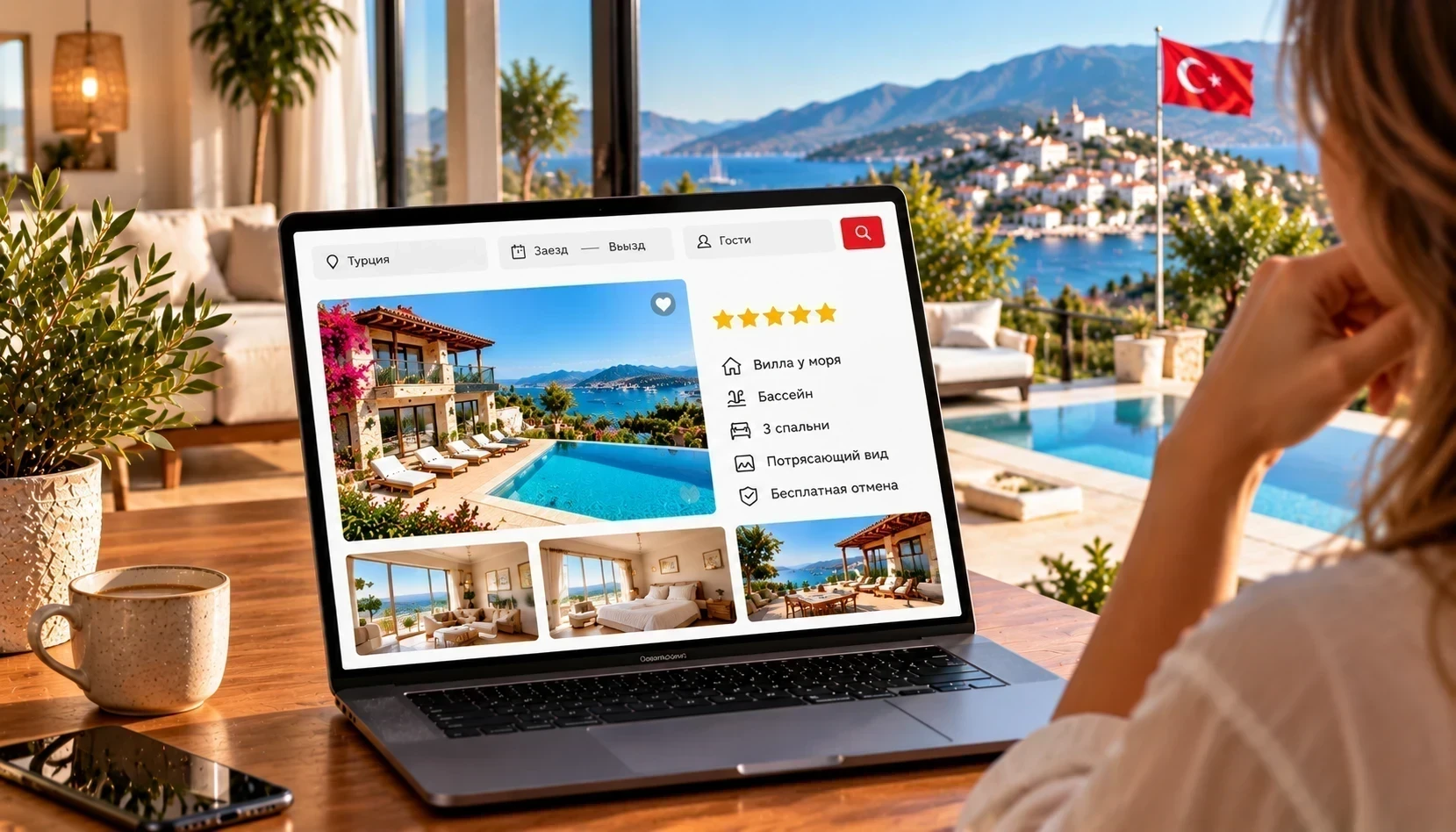
Property adds two further arguments: well-selected apartments in Istanbul and Antalya produce 7 to 12 per cent gross yields on short-term letting and 4 to 7 per cent on long, and a purchase of 400,000 dollars or more opens a citizenship route that completes in three to six months.
Then comes the other side, and it is not a footnote. The lira has moved from roughly 5.3 to the dollar in 2018 to somewhere around 37 to 42 in 2026. Inflation peaked above 80 per cent in 2022 and remains in the 30 to 50 per cent range depending on category. Landlords typically raise rent 25 to 65 per cent a year, which is the single cost most newcomers fail to budget for.
This is where Turkey outperforms its reputation in some areas and underperforms it in others.
Public transport in the major cities is genuinely excellent. Istanbul runs one of the world’s larger metro, tram and bus networks with a single payment card, and Ankara and Izmir are comparably served. Internet infrastructure is strong, with fibre widely available in cities at prices well below Western European levels. Food quality — produce, olive oil, cheese, meat — is consistently high at low cost, and the climate range means you can choose between Mediterranean, Aegean and continental conditions within one country.
Against that sit four practical problems worth knowing before you commit.
One clarification on healthcare, because the two tiers are often conflated. The public system is available to permit holders and workers but carries long waits. In practice almost all expatriates use private care and pay for it, either per visit or through insurance — which is why the private pricing above matters more than the existence of a public system.
The social case for Turkey is stronger than most comparable destinations, and it is the part that surprises people who arrive expecting only sunshine and cost savings.
Hospitality is a cultural default rather than a tourist-facing performance: neighbours invite, strangers help, and building local friendships is genuinely easier than in most of Northern Europe. Children are welcome everywhere — restaurants, cafes, workplaces — which makes family relocation smoother than the paperwork suggests. Established expatriate networks exist in Istanbul, Antalya, Izmir, Bodrum and Fethiye, so arriving does not mean arriving alone.
The adjustments are real too, and they are practical rather than dramatic.
Turkey is unusually efficient at the transaction and unusually unpredictable at the permit — and newcomers often assume the reverse.
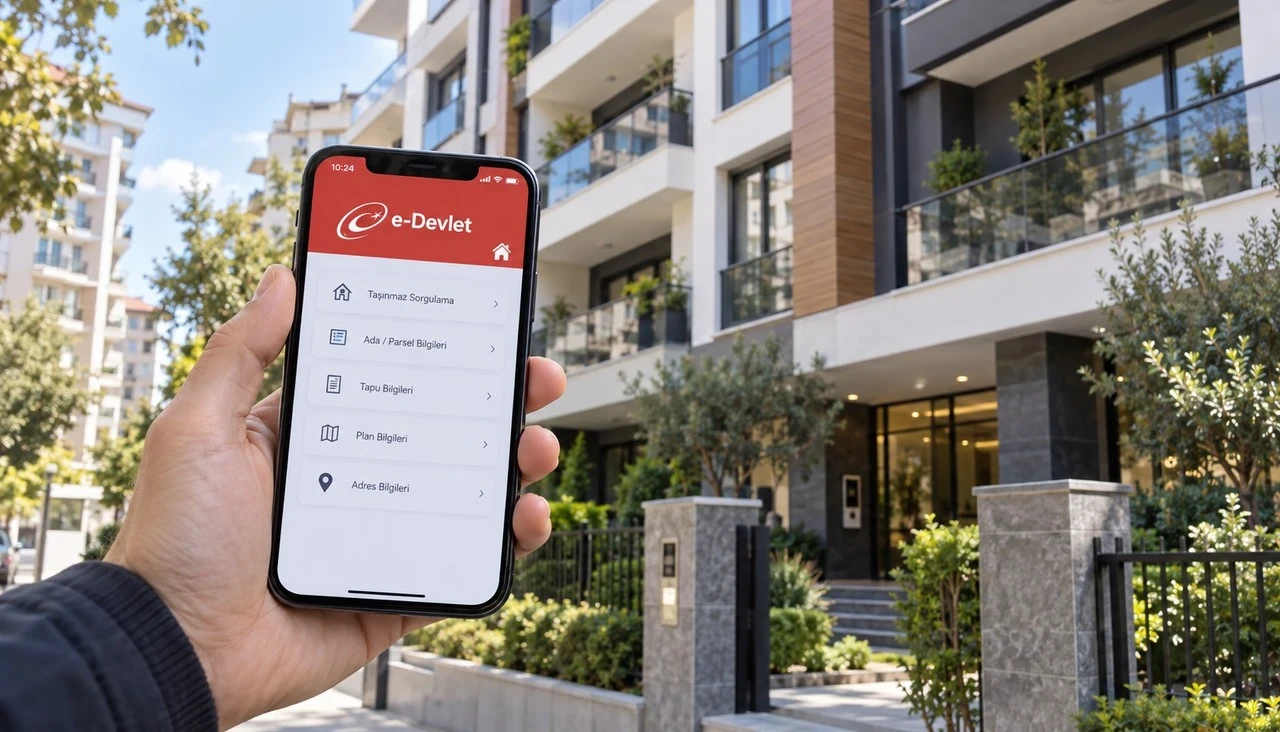
Property transfer typically completes within one to four weeks of agreeing a price. The tax number required for everything else is free and usually issued the same day. The citizenship route on a 400,000 dollar purchase processes in three to six months and covers spouse and minor children.
Residence permits are the friction point. Applications that once cleared in two to four weeks now take three to six months in some provinces, and may be refused outright in the closed neighbourhoods described above. First applications require proof of address, health insurance valid in Turkey and evidence of financial resources; renewals are considerably simpler than the initial grant. The full sequence is set out in our expat guide to the Turkish residence permit.
Two further points catch people out. Most banks now require a residence permit rather than tourist status to open an account, with exceptions around property transactions. And the same procedure is often handled differently in Istanbul, Ankara and Antalya, which is why local representation is worth more here than the procedures themselves suggest.
Regional variation is wide enough that national generalisations are close to useless.
| Region | Character | Best suited to |
|---|---|---|
| Istanbul | Global city energy, best career and culture options, worst traffic and highest costs | Singles, career-focused arrivals |
| Antalya region | Mediterranean beach living, largest expatriate community, 300+ sunny days | Retirees, remote workers |
| Izmir | Third city, moderate climate, growing technology sector, less touristic | Families |
| Bodrum peninsula | Aegean coast, sharp seasonal swing, luxury market | Part-time and wealthier residents |
| Fethiye and Kaş | Quieter riviera, established British and German communities | Relaxed retirement |
| Ankara | Capital, institutional focus, colder winters, less international | Government and embassy work |
| Cappadocia | Distinctive landscape, tourism economy, small foreign community | Lifestyle over career |
Izmir deserves a note because it is consistently under-considered: it combines a moderate climate, lower costs than Istanbul and the strongest concentration of international schooling outside the two largest cities. Our guide to living in Izmir covers the practical picture, and the schooling question specifically is addressed in our education guide to international schools there.
The same set of facts produces different verdicts depending on who is reading them.
Retiring on a foreign pension
The strongest case of the four. Cost of living, healthcare access, climate and an established community all align, and pension income in hard currency benefits from exactly the dynamic that hurts local earners. The constraints are language in medical emergencies and residence permit requirements. Buying rather than renting removes the largest single risk, since annual rent increases of 25 to 65 per cent are the mechanism that erodes a fixed pension fastest. Our dedicated analysis of Turkey as a retirement destination goes into the detail.
Working remotely for a foreign employer
Workable and popular, with two structural caveats. The 183-day threshold determines when tax residency triggers, and residence permit renewals are less predictable than they were. Istanbul, Antalya and Izmir all support the lifestyle with coworking and connectivity. The verdict: comfortable for six to twelve month stints, and requiring a deliberate permit strategy beyond that — the dedicated route is covered in our guide to the digital nomad visa.
Relocating with school-age children
Culturally the easiest of the four and financially the most demanding. Turkish society accommodates children unusually well, neighbourhoods are safe and healthcare is accessible. Against that, international school fees run 10,000 to 25,000 dollars a year per child, and permit renewals become more complex with dependants. This works well on stable foreign income and becomes difficult on local earnings.
Investing in property
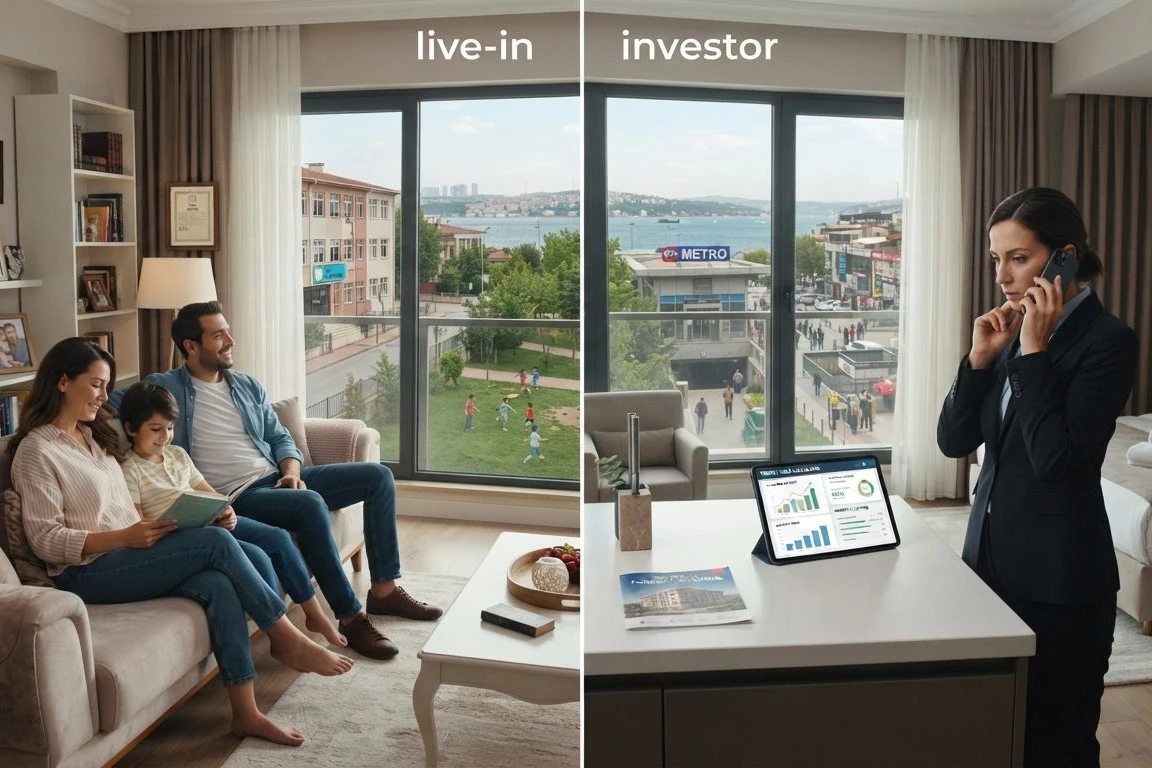
An asymmetric position rather than a straightforward one. The upside comes from the citizenship route, a growing rental market and appreciation if the currency stabilises. The downside sits in lira-denominated rents and regulatory change. The passport itself provides a floor under the investment that a purely financial position would lack. Financing options, where they apply to foreign buyers, are covered in our overview of mortgages in Turkey.
Most of what goes wrong in the first year is preventable in the month before departure.
Is Turkey safe for foreigners?
For practical purposes, yes. Violent crime rates sit below many European countries. Petty theft and tourist-directed scams occur in the usual places, and standard precautions are sufficient.
What does living there actually cost for a couple?
Roughly 1,800 to 3,000 dollars a month in Antalya, covering housing, utilities, groceries, transport, dining, private health cover and incidentals. Istanbul adds 30 to 50 per cent on housing; Bodrum adds 50 to 100 per cent.
Can I get citizenship without living in Turkey?
Yes. The investment route requires a property purchase of 400,000 dollars held for three years, with no residence requirement during that period, and it covers spouse and minor children.
Will the lira keep falling?
Nobody can answer this reliably. Policy shifted toward orthodox monetary tightening from 2023, and views on medium-term stability differ sharply. The prudent approach is to hold minimal lira balances regardless of which forecast you find persuasive.
Do I need to learn Turkish?
For central Istanbul and the coastal tourism zones, English plus a translation app is workable. Anywhere else, and for any real social life, Turkish becomes necessary. Twenty to forty hours before arrival returns more than any other preparation.
How does Turkey compare with Portugal or Spain?
Turkey offers lower nominal costs and a faster citizenship route; Portugal and Spain offer EU passport benefits and far greater currency stability. The right answer depends on whether your priority is cost or predictability.
What cost do people most often underestimate?
Mid-tenancy rent increases. Annual rises of 25 to 65 per cent are normal under current inflation, and they are the reason many arrivals who planned to rent end up buying within two years.
Most disappointment here traces back to a mismatch that was visible in advance: a fixed pension in a district where rents climb 50 per cent a year, a family in a neighbourhood that cannot issue their permit, a buyer expecting 2018 pricing. None of these are hidden — they are simply not in the brochure. DDA Real Estate is a real estate agency in Turkey. We work across Istanbul, Antalya, Alanya, Izmir, Bodrum and Mersin, we check permit eligibility by neighbourhood before showing anything, and we model costs in your income currency rather than in lira.
Explore our listings in Turkey and get in touch: we will match properties to your income structure and timeline, flag where the residence rules would block your plan, and tell you plainly when a district that suits your budget does not suit your situation.