
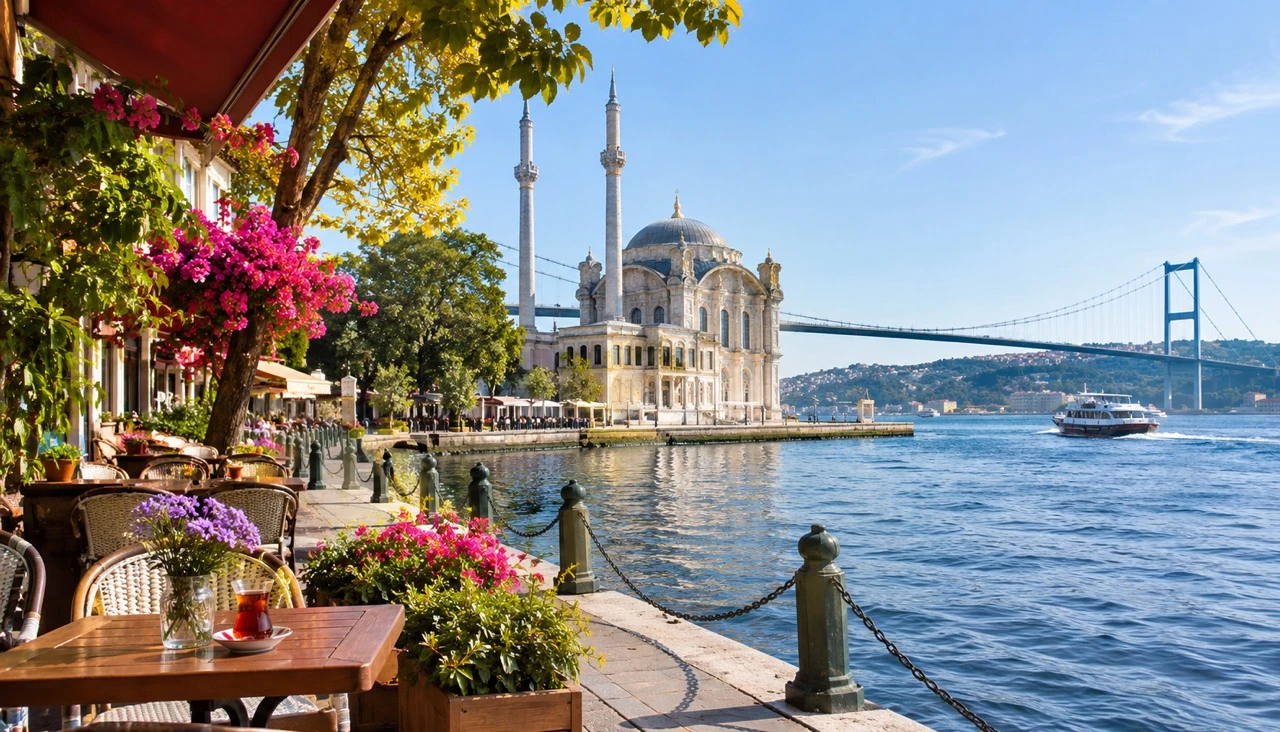
Turkey continues to attract foreigners thanks to its balanced cost of living, comfortable lifestyle, and wide choice of cities. For expats, families, remote workers, retirees, and long-term relocators, understanding real monthly expenses is one of the most important steps before making a move.
While Turkey is often described as an "affordable country," the reality is more nuanced. Living costs vary significantly depending on location, housing choice, lifestyle habits, and long-term strategy. This guide explains what the cost of living in Turkey really looks like today — and how to plan your budget realistically.
What Determines the Cost of Living in Turkey
The cost of living in Turkey is not fixed — it is highly adaptable.
Key factors include:
- city and district choice;
- renting versus property ownership;
- household size;
- lifestyle preferences;
- use of private or public services.
Two households living in the same city can have very different monthly budgets. This flexibility is one of Turkey's main advantages for foreigners.
Housing Costs: The Largest Monthly Expense for Expats
Housing is the biggest expense for most residents and the factor that influences the overall cost of living the most
Average Monthly Rent (Indicative, Long-Term)
| City / Area | 1-Bedroom Apartment | 2–3 Bedroom Apartment |
|---|---|---|
| Istanbul (good districts) | €700–1,200 | €1,200–2,000 |
| Antalya | €500–900 | €900–1,500 |
| Alanya | €450–800 | €800–1,300 |
| Izmir | €550–1,000 | €1,000–1,700 |
| Smaller cities | €300–600 | €600–1,000 |
Prices depend heavily on district quality, building age, proximity to the sea, and infrastructure. Long-term rentals are significantly cheaper than short-term or seasonal contracts.
For many long-term residents, property ownership becomes a way to stabilize housing costs, especially in popular cities.
Utilities and Monthly Household Bills
Utility costs in Turkey are generally moderate but vary seasonally and by property type.
| Expense | Average Monthly Cost |
|---|---|
| Electricity | €40–80 |
| Water | €10–20 |
| Gas (heating, winter) | €30–100 |
| Internet | €15–25 |
| Building maintenance (aidat) | €20–70 |
Villas and properties with pools or large outdoor areas have higher maintenance and energy costs, which should be considered when choosing housing.
Food and Grocery Expenses
Food quality and affordability are among Turkey's strongest advantages.
Average Monthly Grocery Budget
| Household Type | Monthly Cost |
|---|---|
| Single person | €200–300 |
| Couple | €300–450 |
| Family (3–4 people) | €450–650 |
Fresh produce, meat, dairy, and bakery products are widely available at local markets. Imported products and international brands increase costs but are not essential for a comfortable lifestyle.
Dining Out and Café Culture
Eating out in Turkey is affordable and deeply integrated into daily life.
- Local restaurant meal: €6–10
- Mid-range restaurant: €15–25 per person
- Coffee: €2–4
- Street food: €3–5
Even frequent dining out usually remains within a reasonable monthly budget compared to Western Europe or the UK.
Transportation Costs
Transportation expenses depend on city structure and personal habits.
| Type | Average Cost |
|---|---|
| Monthly public transport pass | €25–40 |
| Taxi (short ride) | €3–7 |
| Fuel (per liter) | €1.1–1.3 |
In major cities, public transport often reduces the need for a private car. In suburban or coastal areas, owning a car is more common.
Healthcare Costs for Foreigners
Turkey offers a strong healthcare system with both public and private options.
- Public healthcare: low cost with residence permit
- Private clinics: high quality and affordable
- Private health insurance: €300–800 per year (basic individual policies)
Many expats choose private healthcare for convenience without significantly increasing their monthly expenses.
Education and Child-Related Costs
Education costs vary widely depending on school type.
- Public schools (Turkish language): minimal cost
- Private Turkish schools: €3,000–10,000 per year
- International schools: €7,000–20,000+ per year
Turkey is especially attractive for families seeking private or international education at lower overall living costs.
Lifestyle and Leisure Expenses
Lifestyle expenses are flexible and largely choice-driven.
- Gym membership: €20–50/month
- Cinema ticket: €4–6
- Mobile plan: €8–15/month
- Domestic travel: affordable buses and flights
A high quality of life in Turkey does not require excessive spending.
City Center vs Suburbs: A Key Cost Difference
Living in central or coastal districts comes at a premium.
Suburban areas often offer:
- larger apartments;
- lower rent;
- quieter, family-oriented environments;
- better long-term value.
For long-term residents, suburbs often provide the best balance between cost and comfort.
Seasonal Cost Changes in Resort Cities
In resort cities such as Antalya, Alanya and Bodrum, costs fluctuate throughout the year.
- High season: higher rent and short-term demand
- Low season: better conditions for long-term rentals
Relocating outside peak tourist season can significantly reduce housing expenses.
Renting vs Buying Property in Turkey: How It Affects Monthly Costs
For many expats, the key financial decision is whether to rent long-term or buy property.
Renting offers flexibility but exposes residents to annual rent increases and market volatility. Buying property, on the other hand, often provides:
- predictable housing costs;
- protection from rent inflation;
- lower long-term monthly expenses;
- asset ownership instead of recurring rent payments.
For foreigners planning to stay in Turkey for three years or longer, property ownership often becomes a cost-control strategy rather than just an investment.
Cost of Living for Remote Workers and Digital Nomads
Turkey is increasingly popular among remote workers.
Affordable housing outside premium districts, reliable internet, and moderate daily expenses allow digital nomads to maintain a comfortable lifestyle on reasonable budgets. Istanbul, Antalya, and Izmir offer strong coworking and expat communities.
Hidden Costs Newcomers Often Miss
Commonly overlooked expenses include:
- residence permit fees;
- health insurance;
- property registration costs;
- seasonal utility spikes;
- school registration and materials.
Planning for these costs avoids financial surprises during the first year.
Inflation and Cost Stability
While Turkey experiences inflation, not all costs rise at the same pace.
Rent and services adjust faster, while property ownership often helps stabilize long-term living expenses. This is one reason many expats eventually transition from renting to buying.
How Much Do You Need Per Month to Live in Turkey?
| Lifestyle Level | Single | Couple | Family |
|---|---|---|---|
| Basic | €800–1,000 | €1,300–1,600 | €1,800–2,200 |
| Comfortable | €1,200–1,500 | €1,800–2,200 | €2,500–3,000 |
| Premium | €2,000+ | €3,000+ | €4,000+ |
The cost of living in Turkey remains one of the country's strongest advantages. With smart city selection, realistic lifestyle planning, and the right housing strategy, foreigners can enjoy high living standards at significantly lower costs than in most Western countries.
Turkey rewards flexibility, local adaptation, and long-term thinking.
Frequently Asked Questions
- Is Turkey expensive to live in for foreigners?
No. Compared to Europe and the UK, Turkey remains significantly more affordable. - Which city is the most expensive?
Istanbul, especially central and coastal districts. - Can a couple live comfortably on €2,000 per month?
Yes, in most cities outside premium areas. - Is healthcare affordable for expats?
Yes, especially private healthcare compared to Western Europe. - Does buying property reduce living costs?
Yes, particularly for long-term residents.
Understanding the cost of living is inseparable from choosing the right property.
At DDA Real Estate, we help clients plan life in Turkey with full financial transparency, not just select real estate.
We assist with:
- choosing cities and districts based on budget and lifestyle;
- buying or renting property aligned with long-term plans;
- relocation and residence permit support;
- reducing long-term living costs through smart property ownership.
If you are considering relocation or long-term living in Turkey, contact DDA Real Estate — we help you choose property that supports your lifestyle, budget, and future plans.