Turkey for pensioners: advantages of moving and pitfalls
Turkey
EN
$
ft²
Other articles

Is Turkey Good for Retirement? Pros, Cons & What Expats Need to Know

Viktoria Kurkumuli The author of the article, the Broker
#Blog DDA
3 September 82908 views

Retirement should feel like a reward, not a logistical headache. For many people, that means moving somewhere with warmer weather, lower day-to-day costs, good healthcare, and a lifestyle that feels calmer than what they are leaving behind. In 2026, Turkey still stands out as one of the countries many expats consider for this next chapter. It offers a mix of Mediterranean living, large modern cities, historic towns, seaside property, and a cost structure that can still look attractive compared with much of Western Europe or North America.

That said, Turkey is not a one-size-fits-all retirement destination. It can work very well for some retirees, especially those who plan carefully, understand residency rules, and build in a buffer for inflation and currency shifts. Here is what you need to know before deciding whether Turkey is the right place for your retirement years.

1. Lower Cost of Living Than Many Western Markets

One of Turkey's biggest advantages for retirees remains everyday affordability. In many cities, rent, groceries, dining out, domestic help, transport, and utilities are still noticeably cheaper than in major cities such as New York, London, Paris, or Amsterdam. Cost trackers also continue to show Ankara and other Turkish cities as materially cheaper than Istanbul, while Istanbul itself remains far below top-tier global capitals in many living-cost categories.

The key word, however, is relative affordability. Turkey is no longer the ultra-cheap destination it was years ago. Prices have risen significantly in recent years, and inflation has been a major economic factor. The World Bank's 2026 outlook describes the country as continuing its macroeconomic stabilization and disinflation process, but that does not mean prices feel low in local terms. It means retirees should think in terms of value rather than "cheap living."

For retirees with foreign-currency income, especially in euros, pounds, or dollars, Turkey can still offer strong purchasing power. For retirees living on a very tight fixed budget with little inflation cushion, planning needs to be more conservative.

2. Modern Housing With More Choice Than Many Retirees Expect

Turkey offers a broad housing market for retirees. Depending on the city and budget, you can find new apartments in managed complexes, sea-view residences, villas, low-rise homes in quieter coastal towns, and centrally located urban properties close to hospitals and public transport.

Compared with France, Spain, or Portugal, housing in Turkey can still look competitively priced in many segments, especially outside the most premium pockets of Istanbul, Bodrum, or central waterfront districts. New developments often include elevators, site security, pools, gyms, landscaped common areas, and modern interiors. That combination appeals to retirees who want convenience without paying Western European resort-market prices.

At the same time, buyers should avoid assuming every "modern" property is a good retirement choice. For retirement living, the most important housing criteria are usually different from pure investment criteria. A good retirement property should be assessed in terms of hospital access, year-round livability, elevator access, walkability, winter comfort, building management quality, and proximity to everyday services.

3. Climate, Culture and Everyday Quality of Life

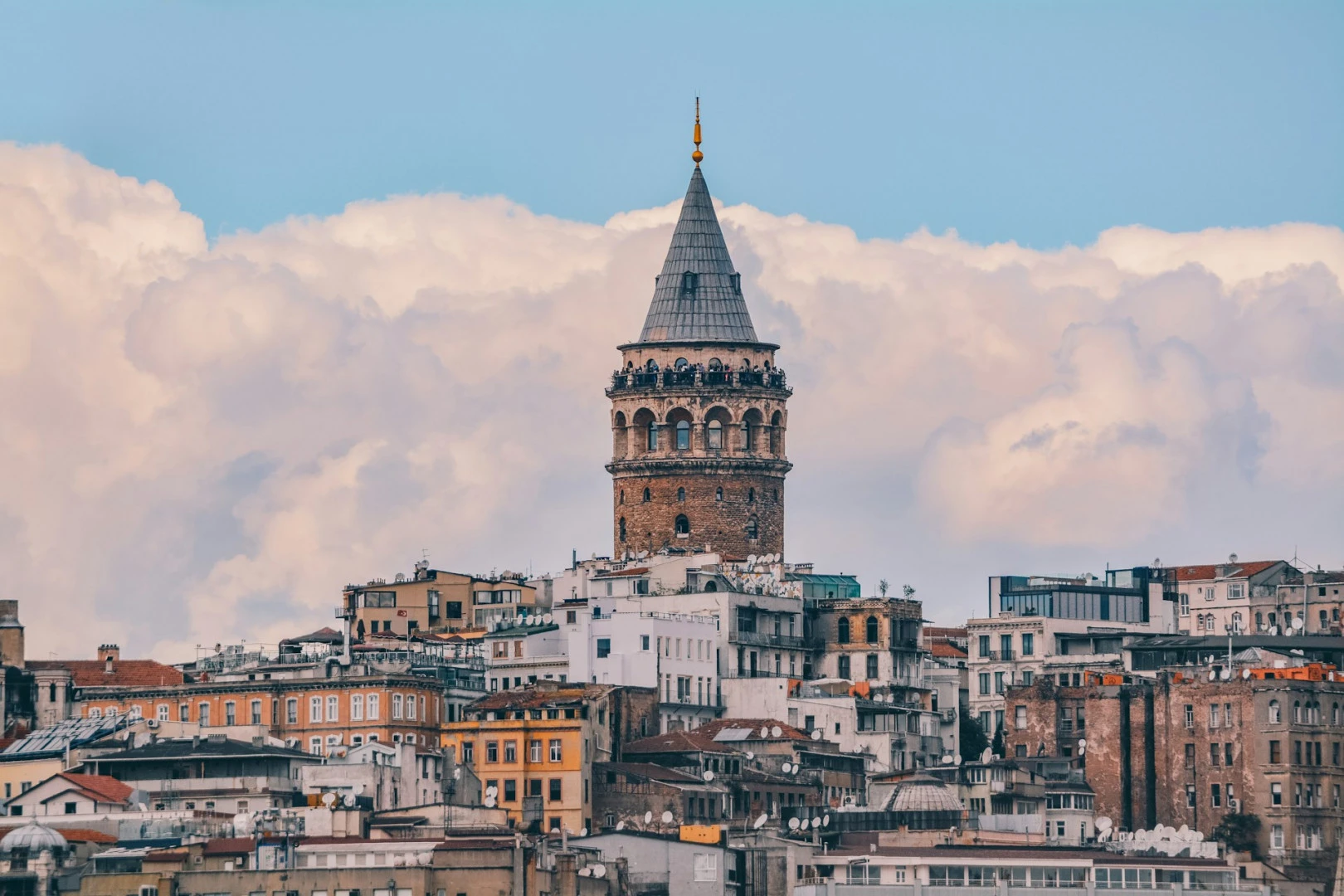
Turkey offers a very broad lifestyle range. Retirees who want long sunny seasons often look at Antalya, Alanya, Fethiye, Bodrum, or Izmir. Those who prefer a larger city with more infrastructure may consider Istanbul, Ankara, or Izmir. The country gives you access to beaches, marinas, mountain views, archaeological sites, thermal areas, and a daily rhythm that can feel far more relaxed than many northern urban markets.

Culture is another major advantage. Turkey is not just a "sun destination." It offers deep historical continuity, strong food culture, local markets, traditional neighborhoods, modern shopping districts, museums, music, and regional variety. For expats who want retirement to feel active and stimulating rather than isolated, this matters a lot.

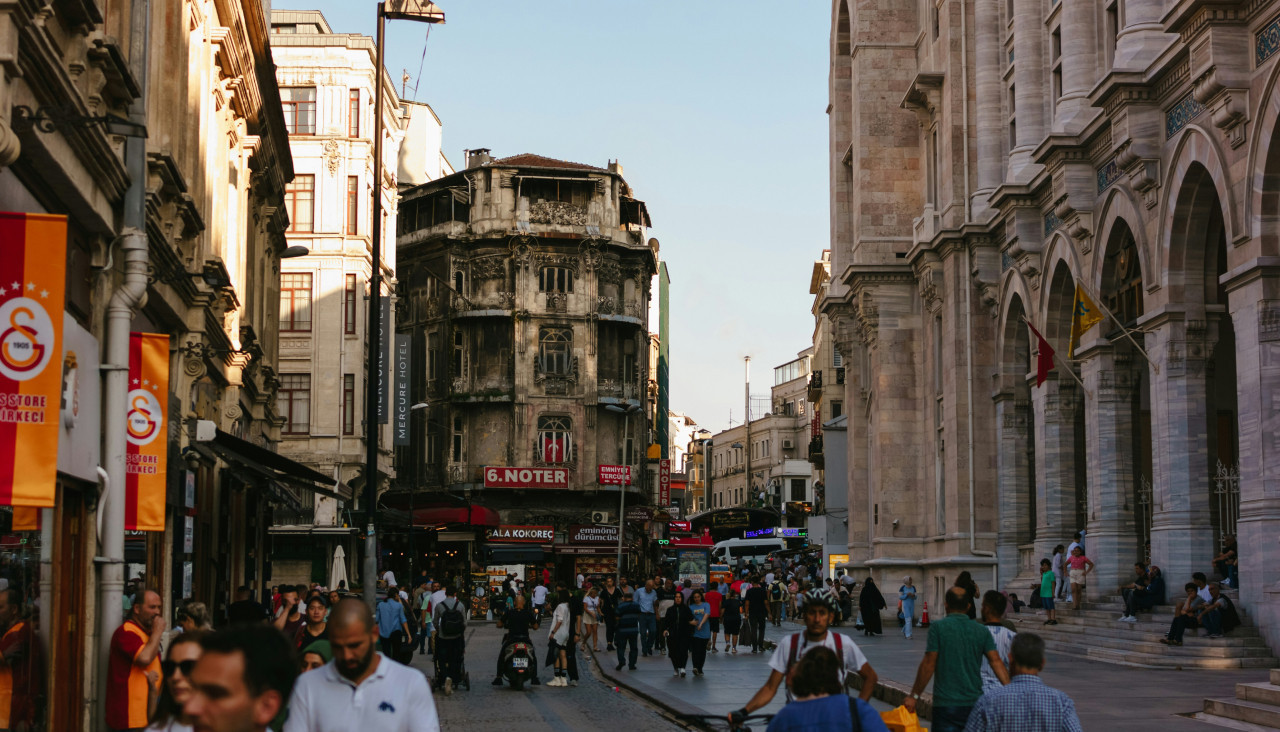
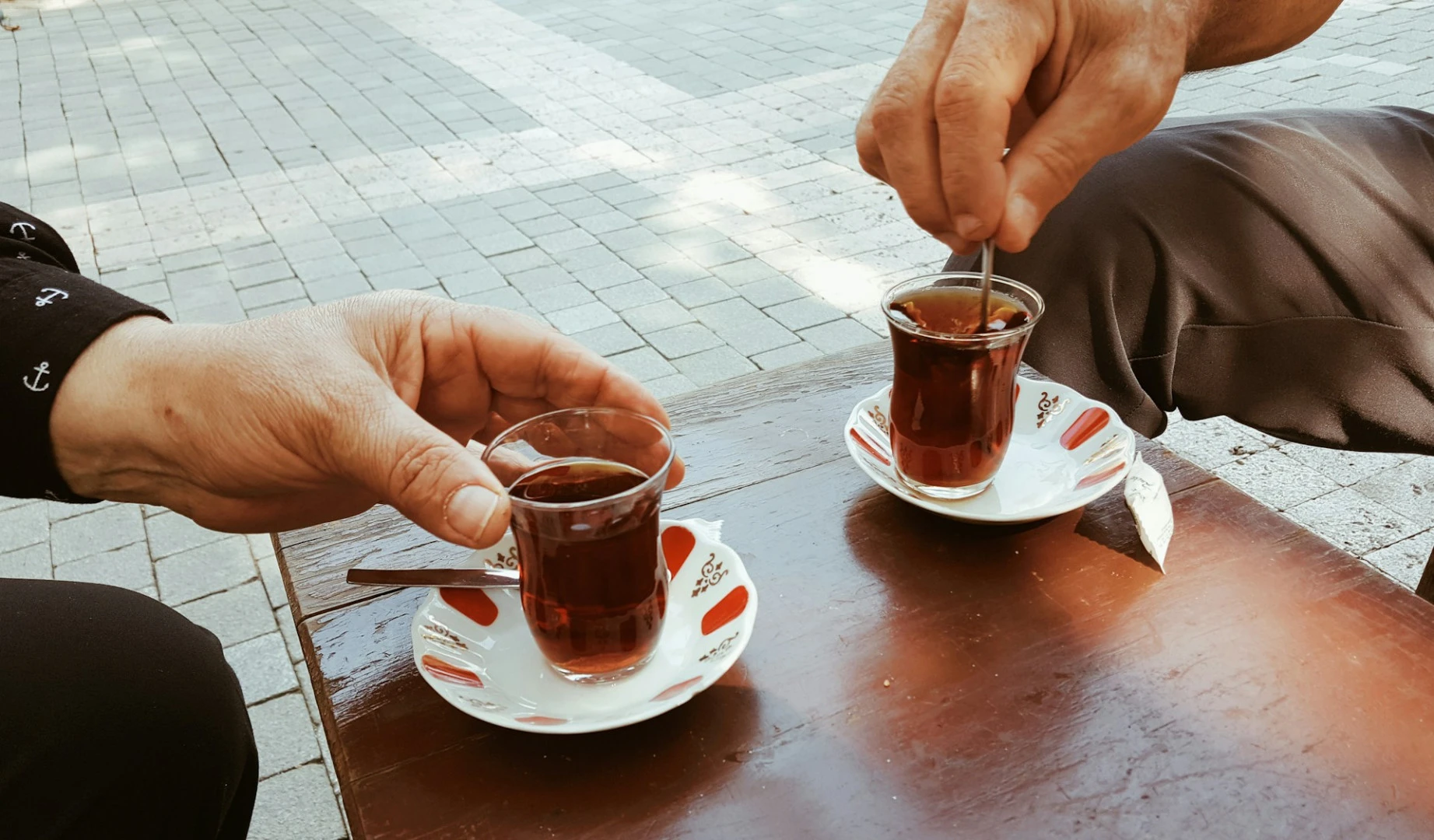
Many retirees also appreciate the social side of life in Turkey. In the right neighborhood, daily life can feel open, communal, and service-oriented. Cafes, bakeries, parks, seaside promenades, and local shops make it easier to build a comfortable routine.

4. Healthcare Can Be Strong, but Your Planning Has to Be Realistic

Healthcare is one of the strongest practical reasons some retirees choose Turkey. Large cities and established coastal hubs offer a mix of public and private care, and private hospitals in particular can provide a high service level, shorter waiting times, and specialist treatment. In many cases, private care remains more affordable than what retirees would pay in countries with more expensive self-funded systems.

Still, healthcare should not be romanticized. Quality varies by city, provider, and language support. Retirees who need regular specialist care, long-term medication management, or a specific hospital network should research that before moving, not after arrival.

Health insurance also matters for residence-permit processes. Turkey's online residence system continues to require correct insurance information during applications, and official residence-permit documentation shows that private health insurance or an eligible public coverage route can be part of the paperwork depending on the permit category.

This means Turkey can work well for retirement from a healthcare perspective, but only if you map out insurance, preferred hospitals, recurring medical needs, and emergency access in advance.

5. Tax Treatment Can Be Favorable, but It Depends on Residency and Income Type

Tax is one of the most misunderstood parts of retiring to Turkey. The simplified version is this: if you are a non-resident taxpayer in Turkey, you are generally taxed only on income and gains sourced in Turkey, not on foreign income earned abroad. The Turkish Revenue Administration's own guide for non-resident taxpayers states this clearly.

That is why many retirees with foreign pensions or investment income look at Turkey favorably. But there are two important caveats.

First, tax outcomes depend on whether you are treated as resident or non-resident for tax purposes. Second, the treatment of foreign pension income can depend on the structure of that income and the relevant double-tax treaty between Turkey and your home country. So while Turkey can be tax-efficient for some retirees, it is not wise to assume that every foreign pension is automatically tax-free in every case.

For retirees with meaningful overseas income, professional tax advice is worth getting before relocation.

6. Residency Is Possible, but There Is No Dedicated Retirement Visa

Turkey does not have a formal "retirement visa" in the classic sense. Retirees generally stay through the normal residence-permit system rather than through a special pensioner pathway. The official e-ikamet system remains the core platform for first applications, extensions, and status changes.

In practice, many retirees begin with a short-term residence permit if they meet the conditions, including valid documentation, accommodation basis, financial sufficiency, and the appropriate insurance documentation where required. Longer-term planning matters as well: Turkey's residence-permit framework includes a long-term residence option, and official long-term residence application forms and guidance continue to reflect the eight-year threshold as part of that route.

The important point for retirees is that residency in Turkey is workable, but it is document-based and procedural. You need to treat it seriously, keep paperwork current, and avoid relying on outdated internet advice or informal promises.

7. Citizenship Is Available, but It Is an Investment Decision, Not a Retirement Benefit

For retirees who want a second passport rather than only residency, Turkey continues to offer a citizenship-by-investment route. The best-known real-estate threshold remains USD 400,000, and the property must typically be held for at least three years under the program framework. Official government resources from the citizenship authorities continue to direct investors to this process, and widely used legal and market guidance in 2026 reflects that same threshold.

This can be attractive for retirees who want long-term legal flexibility, easier inheritance structuring, or a citizenship strategy connected to property ownership. But citizenship should not be viewed as a retirement requirement. Many retirees are perfectly fine living in Turkey under residence permits without taking the citizenship route.

Cautionary Considerations

Legal and Healthcare Preparedness

A comfortable retirement in Turkey depends heavily on planning. The biggest problems usually do not come from daily life itself. They come from weak preparation. Retirees should arrive with a clear understanding of insurance, residence paperwork, local registration rules, property ownership structure, wills or succession planning where relevant, and how to access medical care in emergencies.

Turkey is manageable when you are organized. It becomes stressful when you improvise.

Economic Stability and Inflation

Turkey's economy is stabilizing, but inflation remains an important reality. The World Bank's 2026 outlook points to continued disinflation and moderate growth, yet retirees should still assume that prices, service costs, rents, and maintenance expenses can move materially over time.

This does not make Turkey a bad retirement destination. It simply means your retirement budget should include flexibility. A retiree living entirely on a rigid monthly amount with no buffer is more exposed than someone with foreign-currency reserves, indexed pension income, or room to absorb rising costs.

Verdict: Is Turkey a Good Place to Retire in 2026?

Yes, Turkey can absolutely be a good place to retire in 2026, but it works best for retirees who approach the move with realism.

What works in Turkey's favor

Advantage Why it matters for retirees
Lower living costs than many Western countriesHelps stretch pension or investment income
Broad housing choiceEasier to find sea-view, city, or low-maintenance lifestyles
Strong lifestyle appealClimate, food, history, and daily quality of life remain major draws
Good private healthcare optionsEspecially important in larger cities and established expat areas
Flexible residency pathwaysPossible to build a long-term life even without a dedicated retirement visa
Citizenship by investment optionRelevant for retirees seeking a second-passport strategy

What needs closer attention

Risk areaWhat retirees should plan for
Inflation and currency shiftsBuild budget buffers and avoid overly tight planning
Residency complianceKeep documents current and follow official procedures
Healthcare accessChoose location partly based on hospital quality and insurance practicality
Tax complexityCheck treaty position and tax-residency implications before moving
Property selectionPrioritize year-round livability, not just view or headline price

Turkey appeals to retirees because it combines affordability, climate, cultural depth, and a wide choice of living environments. It can offer a very comfortable retirement lifestyle, especially for those who want more sunlight, more space, and lower routine costs than they would have in many Western countries.

But the move works best when it is planned like a real life project, not like an extended holiday.

FAQ

Is Turkey cheaper than Western Europe for retirees?
In many cases, yes. Housing, food, services, and daily living can still be materially cheaper than in much of Western Europe, though inflation means retirees should budget carefully.

Does Turkey offer a retirement visa?
No. Retirees usually use the standard residence-permit system rather than a dedicated retirement visa.

Can retirees use private healthcare in Turkey?
Yes. Many expats rely on private healthcare, especially in larger cities and established expat hubs, often alongside private insurance. Residence-permit paperwork also commonly involves insurance documentation.

Can I live in Turkey long term after retiring?
Yes, potentially. Retirees often start with short-term residence permits, and Turkey's framework also includes a long-term residence route after the required period of legal stay.

Can buying property help with retirement plans in Turkey?
Yes. Property can support a long-term living plan and, at higher thresholds, may also be used for citizenship-by-investment strategies. But the right property for retirement should be chosen for comfort, healthcare access, and year-round practicality, not only for resale value.

Turkey can offer a retirement life that feels warmer, more relaxed, and more financially comfortable than many retirees expect. With the right planning around residency, tax, healthcare, and housing, it remains one of the more compelling retirement destinations in the wider region.

If you are considering retirement in Turkey, DDA Real Estate can help you choose the right city, neighborhood, and property format for long-term living, not just for purchase. We guide clients through location selection, legal checks, and the practical side of building a secure life in Turkey.

Popular
5 June 3743334 view
Dubai Rent Prices 2025: Average Apartment Rental Costs in Dubai Dubai's rental market continues its upward climb in 2025, driven by population growth and limited new supply, pushing average prices up by 10%
#Blog DDA
2 July 2278017 views
DLD Fees in Dubai: Everything You Need to Know Buying property in Dubai? Don't let hidden fees surprise you! Our essential guide breaks down ALL Dubai Land Department (DLD) fees
#Blog DDA
5 July 1524852 view
How Much is the Real Estate Agent Commission in Dubai? Find out how much real estate agent commission costs when buying property in Dubai.
#Blog DDA
5 February 1278837 views
How Foreigners Can Own Property in Bali: Understanding PT PMA (2025) Foreigners can't own freehold land in Bali, but a PT PMA (foreign-owned company) allows secure property ownership under Hak Guna Bangunan (HGB) or Hak Pakai (HP) rights
#Blog DDA
23 November 1193031 view
How to Buy a SIM Card in Turkey in 2026: Prices, IMEI Registration, eSIM Options, and Best Mobile Operators Overview of mobile operators, available types of SIM cards, and home Internet providers
#Blog DDA
28 August 1022301 view
Oqood vs Title Deed in Dubai: Key Differences You Must Know Buying property off-plan in Dubai? Oqood registration is mandatory to secure your ownership rights.
#Blog DDA