
Off-plan properties
Moving to Dubai opens up many opportunities for career development, business growth, and an international lifestyle. The city attracts professionals and entrepreneurs from all over the world thanks to its strong economy, modern infrastructure, and tax-efficient environment.
However, before settling in the emirate, it is important to understand how the rental market works. For expatriates, the process of renting an apartment involves several legal procedures, documents, and costs that differ from those in many other countries. This guide explains the key aspects of renting property in Dubai in 2026, including rental options, required documents, costs, and legal considerations.
The first step when searching for housing is deciding what type of rental agreement best suits your needs. In Dubai, tenants usually choose between short-term rentals and long-term leases.
Short-term rentals are typically available for periods ranging from a few days to several months. These are often fully furnished apartments managed by hotel operators or property management companies. They are popular among tourists, business travelers, and newcomers who have not yet secured permanent housing.
Long-term rentals are the most common option for residents. Standard rental contracts in Dubai usually run for 12 months. This option is recommended for expatriates who already have — or plan to obtain — a residence visa and Emirates ID, since both are generally required to sign an official lease agreement and register utilities.
Rental prices vary depending on several factors:
As of 2026, rental prices for a one-bedroom apartment in central areas such as Downtown Dubai, Dubai Marina, or Business Bay typically range from AED 8,000 to AED 12,000 per month, depending on the building and view.
More affordable housing options can be found in neighborhoods such as:
In these areas, one-bedroom apartments may start from approximately AED 4,500–6,000 per month, depending on building quality and location.
To legally rent an apartment in Dubai, tenants must provide several documents to the landlord or real estate agency.
The most commonly required documents include:
One distinctive feature of Dubai's rental market is the use of post-dated checks. Landlords typically request several checks covering the rent for the entire year. Depending on the agreement, tenants may provide 1 to 4 checks per year, although some landlords may accept monthly payments through bank transfers.
In addition to rent, tenants must also pay several upfront costs:
The Ejari system is a government platform that registers rental contracts with the Dubai Land Department (DLD). Registration is mandatory for all long-term leases in Dubai.
Without Ejari registration, tenants cannot:
The registration process is usually quick and can often be completed within a few days through real estate agencies or authorized service centers.
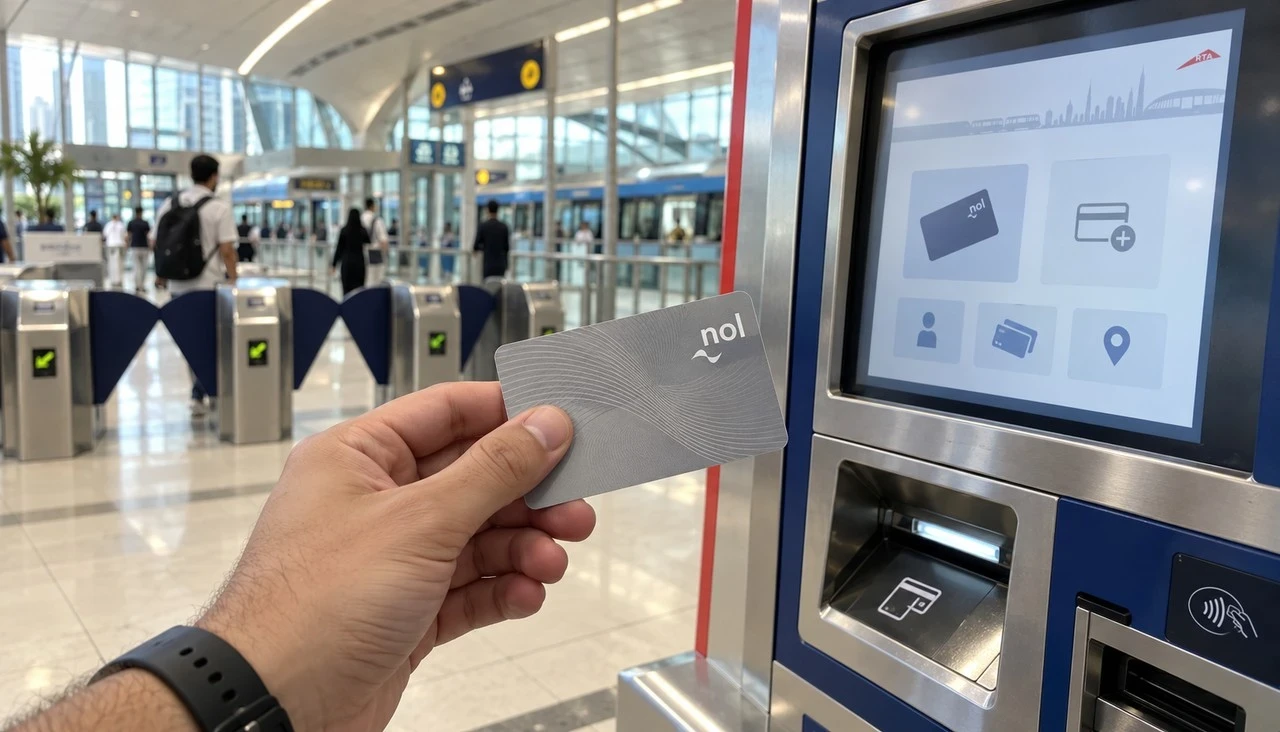
Once the Ejari certificate is issued, tenants can proceed with setting up their utility accounts.
In Dubai, most rental agreements do not include utility costs, meaning tenants are responsible for paying them separately.
The main utilities include:
Average monthly utility costs in 2026 typically range as follows:
| Service | Average Monthly Cost |
|---|---|
| Electricity and water (DEWA) | AED 250 — AED 500 |
| Internet and TV packages | AED 300 — AED 500 |
| Air conditioning (in district cooling buildings) | AED 200 — AED 400 |
Additional optional expenses may include:
In many modern buildings, access to amenities such as gyms, swimming pools, and security services is included in the rent because these are covered by the building's service charges paid by the property owner.
Dubai has a highly digitalized property market, and most rental listings are available online.
The most popular platforms for searching rental properties include:
Listings on these platforms are usually posted by real estate agencies or directly by property owners.
However, it is always recommended to visit the apartment in person before signing a lease. Online photos may not reflect the current condition of the property, and high-demand units are often rented quickly.
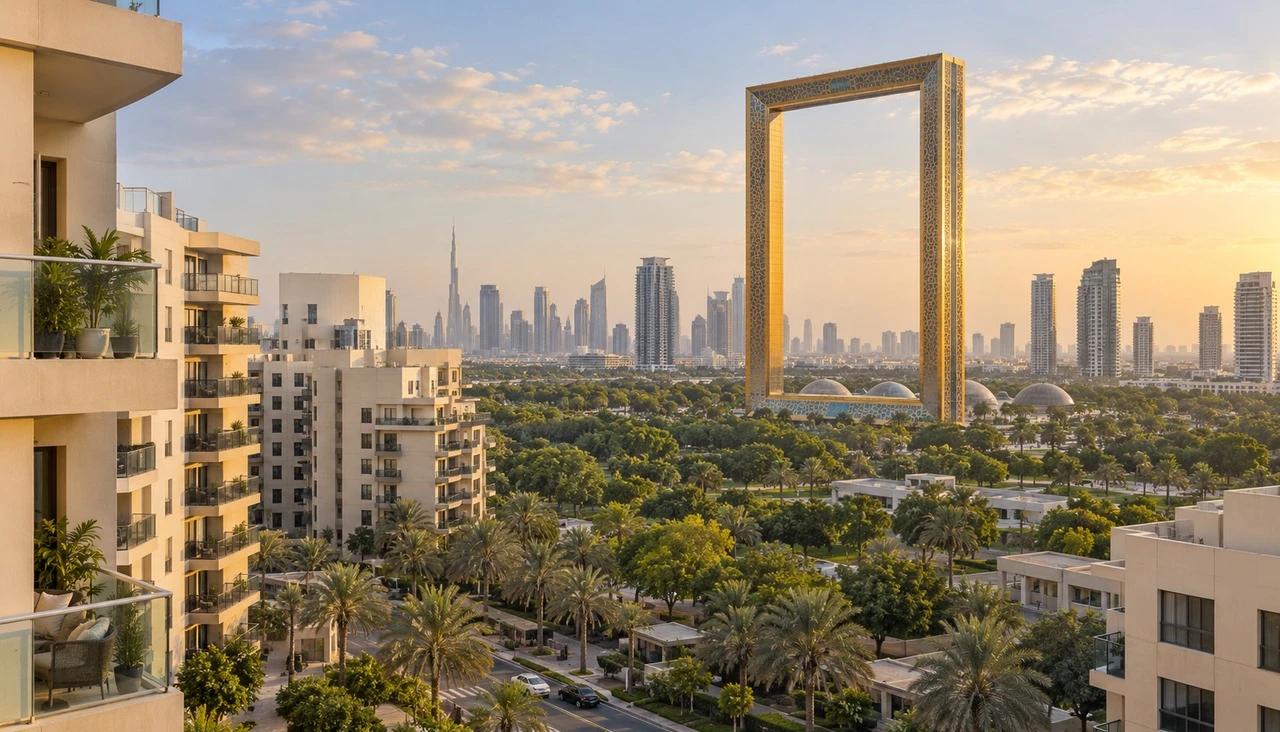
Choosing the right neighborhood depends on your lifestyle, work location, and budget.
For example:
Tenants in Dubai must follow local laws and community rules set by property owners and building management.
For example, tenants are generally not allowed to modify the apartment without the landlord's permission. This includes actions such as:
It is also important to clarify the landlord's policies regarding:
Dubai has clear regulations regarding residential occupancy, and violating these rules can lead to fines or termination of the lease.
Another important aspect to consider is that most rental contracts are fixed for one year. Ending a lease early may result in penalties, which are typically equivalent to one or two months' rent, depending on the contract terms.
For newcomers who prefer flexibility, serviced apartments can be a good alternative. These properties combine hotel-style services with residential layouts and usually include:
Although serviced apartments are more expensive than traditional rentals, they offer convenience and flexibility for short-term stays.
Renting an apartment in Dubai may seem complicated at first, but the process is generally straightforward once you understand the rules and requirements.
The city offers:
With proper preparation, the right documentation, and a realistic budget, expatriates can find comfortable housing in one of the most dynamic cities in the world.
If you are planning to move to Dubai or explore real estate opportunities, DDA Real Estate can help you navigate the local market, find suitable properties, and guide you through the entire process — from search to signing the lease.