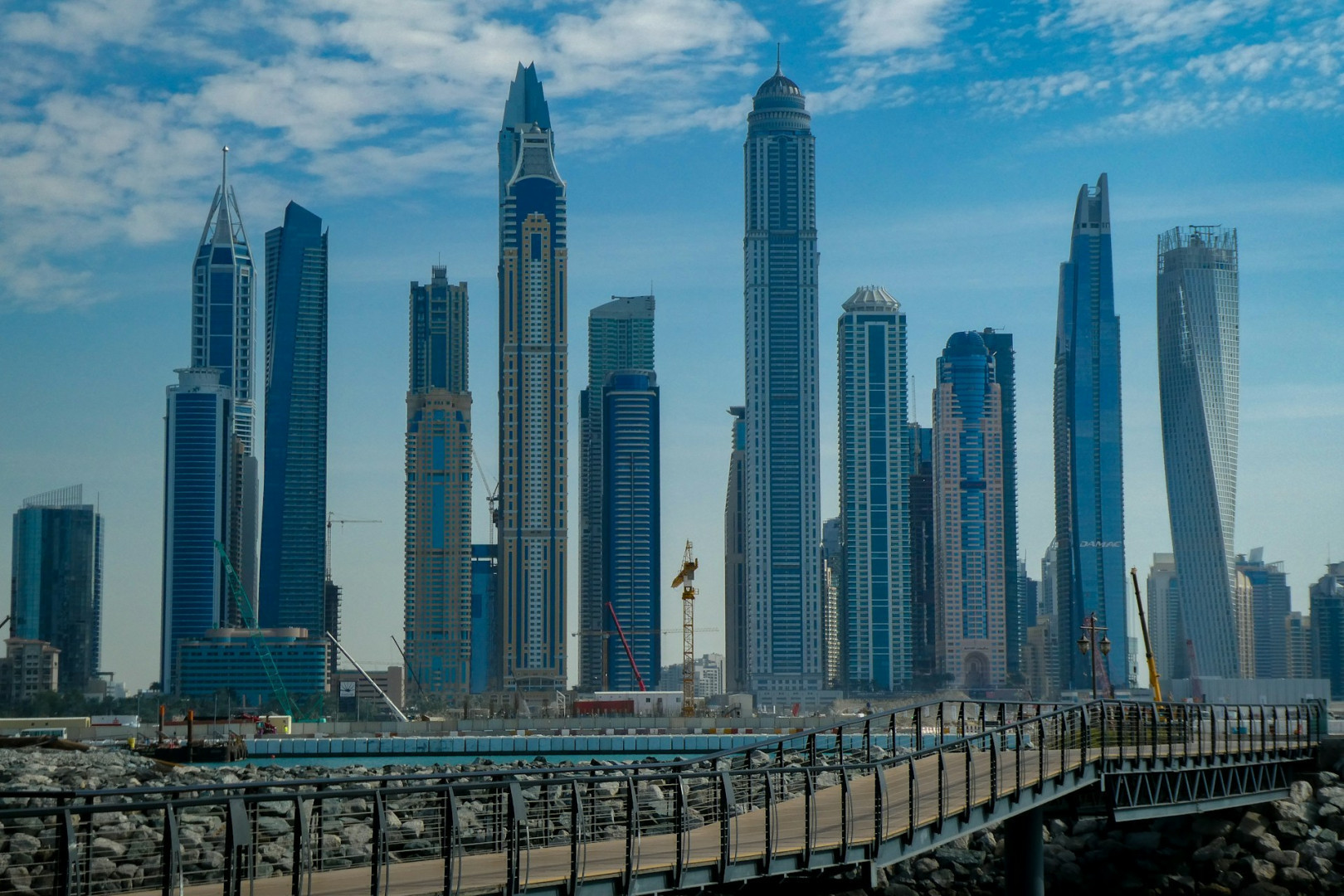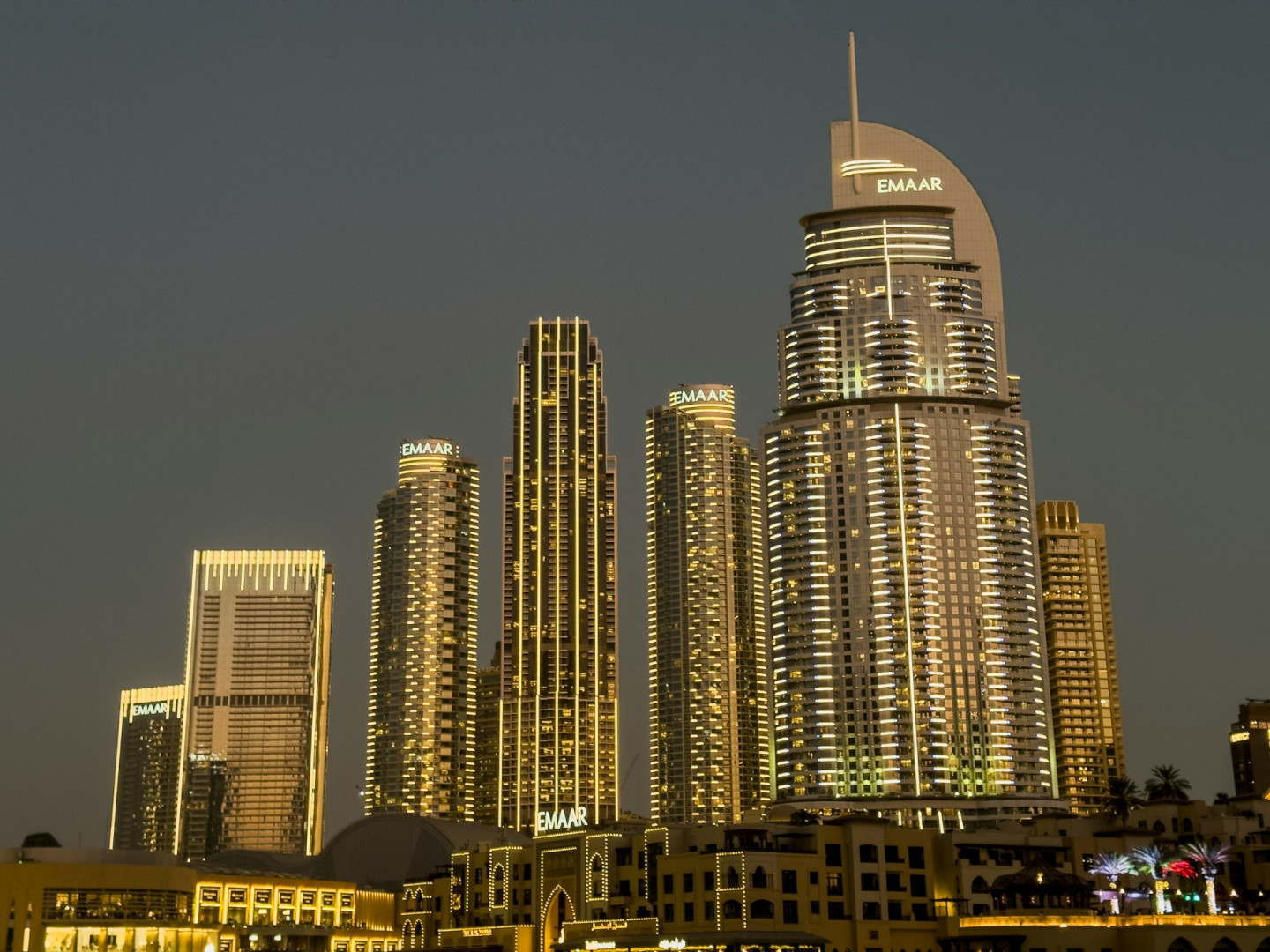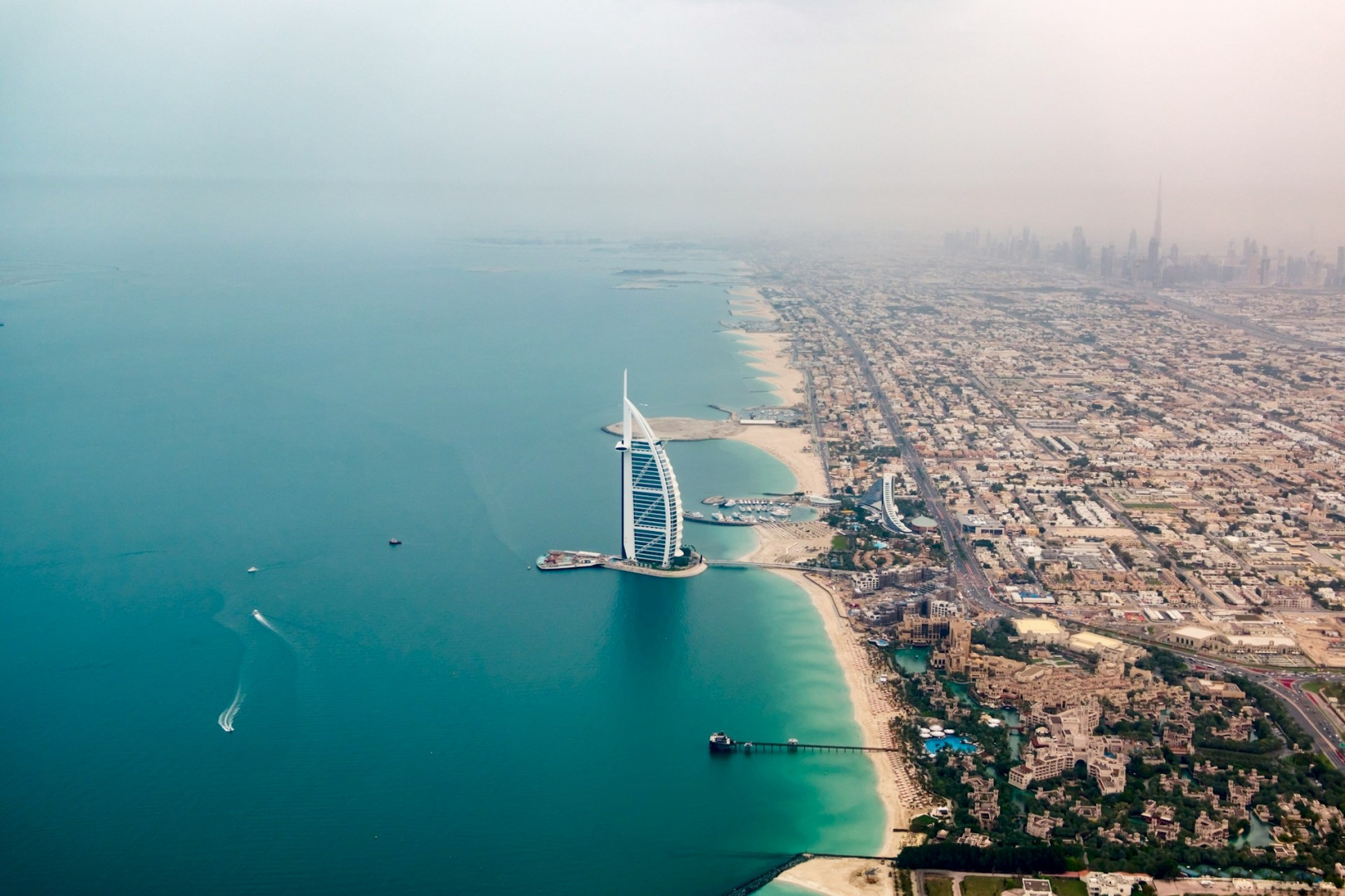

Dubai does not iterate — it leaps. While most cities debate smart city pilots, Dubai has been running them at scale for nearly a decade. The result is a place where the gap between "announced" and "operational" is unusually short, and where technology has quietly restructured how people move, work, pay, and live on an everyday basis.
This is not a story about ambition. It is a story about what is already working.
At a Glance: Dubai's Innovation by the Numbers
| Metric | Figure |
|---|---|
| Dubai Metro annual ridership | 200M+ passengers |
| Metro on-time performance | 99%+ |
| Government services on Dubai Now app | 130+ |
| City population (2024) | 3.7M+ |
| Target autonomous journeys by 2030 | 25% of all trips |
| AI-powered government services target (2030) | 1,000+ |
Getting Around: Mobility Reimagined
Transportation in Dubai has moved well beyond infrastructure. The RTA operates one of the most digitally integrated transit systems in the world — metro, tram, buses, water taxis, and ride-hailing all linked through a single Nol card ecosystem.
What is already operational:
- Fully automated driverless metro across two lines
- Real-time transit apps with integrated journey planning
- AI-powered traffic signal optimization on major corridors
- Route 2020 Red Line extension to Al Maktoum International
What is in active rollout:
- Autonomous vehicles on public roads (25% of journeys by 2030)
- Flying taxis via Joby Aviation partnership with RTA — commercial operations planned within the next few years
- Autonomous police and logistics vehicles across key urban zones
For daily residents, the practical impact is already visible: seamless digital payments, predictive routing, and a transit system that actually runs on time.
Governance: The Paperless City
One of Dubai's least-celebrated but most consequential innovations is in government services. The Dubai Now app consolidates over 130 services — visa renewals, utility payments, traffic fines, business licensing — into a single platform. The target was a fully paperless interaction model. It is largely achieved.
Key milestones:
- Dubai Land Department moved property registration fully online — title deeds are issued electronically, ownership transfers can be initiated remotely
- Business licensing and visa renewals processed digitally end-to-end
- Dubai ranked first in the UN e-government index for the Arab region
For international investors and relocants, this matters practically: the bureaucratic friction that deters entry into most markets has been systematically engineered out of the Dubai experience.
Healthcare & Education: Infrastructure at Scale
Healthcare:
- Unified Medical Record system links public and private providers — patient history accessible across facilities without manual transfers
- Teleconsultation is embedded as a standard service tier, not a pandemic legacy
- AI-assisted diagnostics are in active use across major hospital networks
Education:
- Dubai's KHDA oversees a largely private, internationally curricula-based school system
- Smart classrooms, AI-assisted assessments, and digital parent portals are standard
- The system is explicitly structured around an internationally mobile population — enrollment processes are designed for families arriving mid-year from anywhere
For relocating families, this removes two of the biggest friction points of an international move: healthcare access and school enrollment.