Off-plan properties
Setting up a beauty salon in Dubai costs AED 50,000 to 120,000 before a single client walks in — and that figure excludes rent, which can run anywhere from AED 60,000 to over half a million a year depending on which side of the city you choose.
The process itself is bureaucratic but predictable: economic department registration, municipal health licensing, civil defence approval and chamber membership, typically completed in four to eight weeks. What separates the salons that survive from those that do not is rarely the paperwork. It is four decisions taken before any of it starts.
This guide covers those decisions, the full cost picture including the recurring obligations people forget, the district strategy that matches location to clientele, compliance requirements, staffing and the mistakes that recur among first-time operators. Figures reflect August 2026 and are indicative — confirm current fees with the relevant authority, and treat this as general information rather than legal or tax advice.
This is the first decision and it constrains everything after it, because it determines who you are legally allowed to serve.
| Mainland | Free zone | |
|---|---|---|
| Foreign ownership | 100 per cent since the 2020 reforms | 100 per cent |
| Who you can serve | Anyone in the UAE | Within the zone, with restrictions outside it |
| Setup cost | AED 50,000 – 100,000 | AED 30,000 – 70,000 |
| Annual licence | AED 15,000 – 30,000 | AED 12,000 – 25,000 |
| Premises | Any district | Only within designated zones |
| Local sponsor | No longer required | Not applicable |
| Best suited to | A physical salon with walk-in clients | E-commerce or in-zone service |
For a physical salon the answer is almost always mainland, and the reasoning is straightforward: a free zone licence saves perhaps AED 20,000 at setup while restricting the customer base that the entire business depends on. The zone route makes sense for beauty product e-commerce or for a service operating exclusively within a zone’s own population — not for a salon on a high street.
The 2020 ownership reforms removed the local sponsor requirement for most mainland activities, beauty services among them, which eliminated what used to be the main argument for choosing a zone.
The category determines staffing rules, layout requirements, inspection regime and insurance — and switching later means relicensing rather than amending.
| Category | Covers | What it requires |
|---|---|---|
| Women’s beauty salon | Hair, nails, facials, makeup | Female staff and clients only; the most common category |
| Mixed salon | The above plus men’s services | Physically separate sections and additional inspections |
| Spa and wellness | Massage, hydrotherapy, sauna | Additional municipal health permits, higher fees |
| Barbershop | Men’s grooming and shaving | Male clientele only, simpler licensing |
| Beauty parlour | Combined beauty, spa and barber | One facility licence, higher setup investment |
| Makeup studio | Cosmetics application | Smaller footprint, lower fees |
| Nail bar | Nail services | Mid-size setup, a growing segment |
Two categories carry meaningfully more weight than the others. Anything including massage falls under spa licensing, which brings a separate health permit process and higher ongoing scrutiny. And laser or electrolysis services require health authority pre-approval plus certified operators — an entire additional compliance layer that should be decided at the business plan stage rather than added later.
The government fees are the smaller half. Fit-out and premises dominate, and both are highly variable.
| Item | Cost | Note |
|---|---|---|
| Trade name approval | AED 620 | Through the digital platform |
| Initial approval certificate | AED 120 | Business feasibility review |
| Trade licence, first year | AED 15,000 – 30,000 | Varies by activity |
| Municipal facility licence | AED 2,000 – 5,000 | Health inspection required |
| Fire safety certificate | AED 250 – 500 | Civil defence approval |
| Chamber of commerce membership | AED 1,200 | Renewed annually |
| Commercial lease registration and deposit | AED 10,000 – 40,000 | Scales with the rent |
| Fit-out and equipment | AED 30,000 – 80,000 | The largest single variable |
| Branding and launch marketing | AED 5,000 – 15,000 | Signage, website, opening |
| Legal and consultancy | AED 3,000 – 8,000 | Structure and documentation |
| Corporate bank account | AED 500 – 2,000 | Opening fees |
Then there is the part that catches people out: the annual obligations that continue regardless of trading. Licence renewal at AED 15,000 to 30,000, municipal facility renewal at AED 3,000 to 5,000, chamber membership, fire certification, lease registration, and insurance covering professional liability, property and employees at AED 8,000 to 25,000. Excluding rent and salaries, that is AED 25,000 to 50,000 a year before the doors open.
Utilities deserve their own line because salons are unusually heavy users — ventilation running continuously, water consumption well above an office of the same size, and cooling loads that peak exactly when the tariff bites hardest. Budget AED 20,000 to 60,000 annually, and establish the deposit requirement with the provider before signing the lease rather than after.
The order matters, because several steps depend on having premises already secured — which is why the lease decision arrives earlier in the process than most first-time operators expect.
Four to eight weeks is realistic for a straightforward case. Mixed-category licences, unusual locations or premises requiring substantial modification push it to eight to twelve.
If the premises are in a building still under construction, the payment structure works differently from a completed unit — funds go into supervised accounts released against construction milestones rather than to the developer directly. The mechanism is explained in our note on escrow accounts in Dubai real estate.
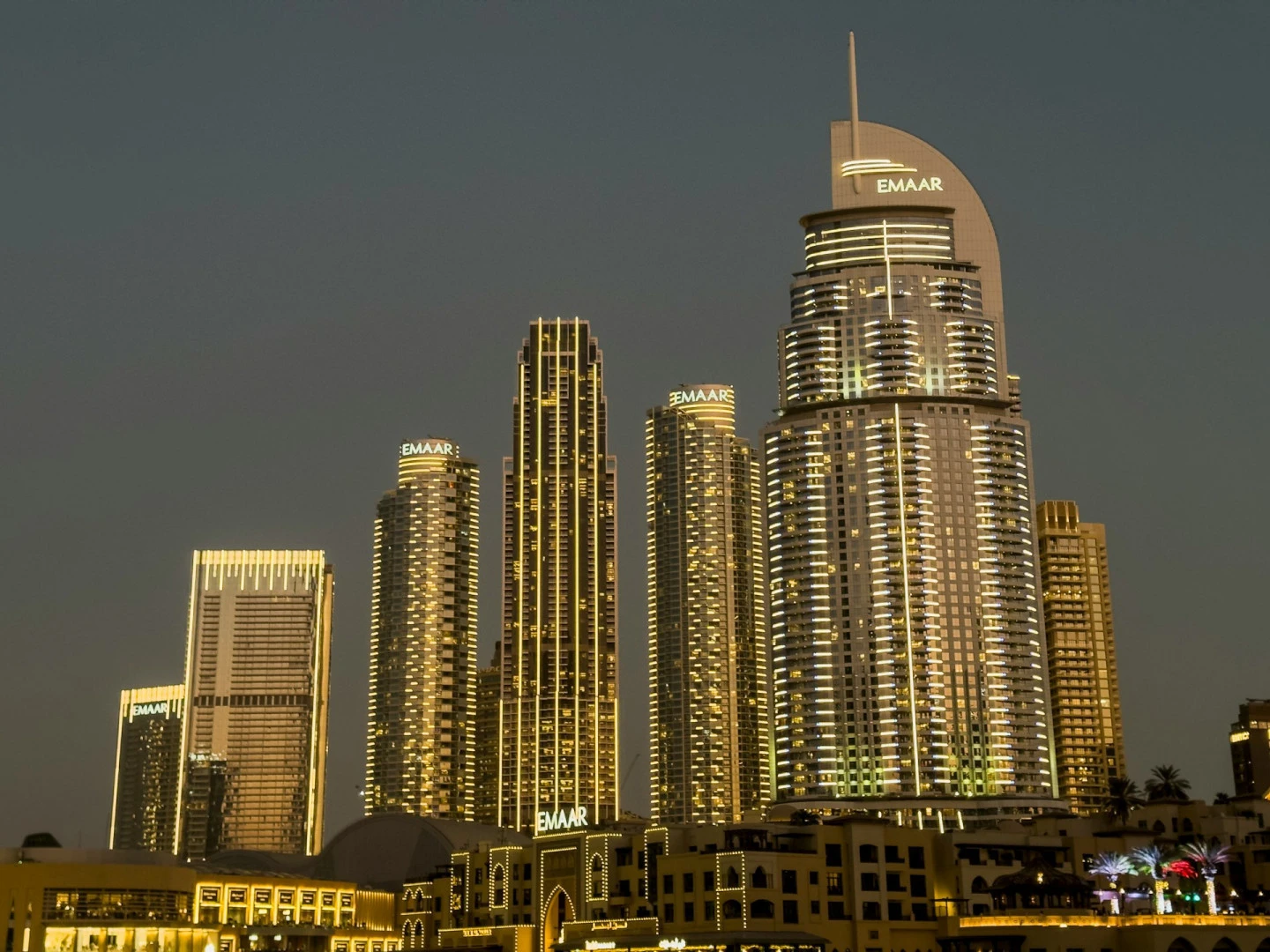
District selection is the decision most correlated with survival, and the principle is simple: the location must match the price point, not the ambition.
| Segment | Districts | Typical ticket | Annual rent |
|---|---|---|---|
| Premium | Downtown, DIFC, Palm Jumeirah, Bluewaters | AED 300 – 600 | AED 200,000 – 500,000+ |
| Upper middle | Dubai Marina, JBR, Business Bay, Dubai Hills | AED 150 – 350 | AED 150,000 – 350,000 |
| Mass market | Jumeirah Village Circle, Al Barsha, Deira | AED 80 – 200 | AED 60,000 – 180,000 |
| Specialist | Community malls, hotels, mobile service | Varies widely | Lower or none |
The classic failure is a mismatch in either direction. A premium concept in a high-volume district cannot charge premium prices, because the footfall is not there for it. A budget concept in Downtown pays premium rent against mass-market margins. Both fail for the same reason, which is that the rent and the ticket size have to come from the same row of that table.
The mobile model deserves mention as a genuine alternative rather than a fallback. Operating without fixed premises removes the largest cost line and the licensing steps tied to it, at the price of a lower ceiling on volume. For an operator testing a concept before committing capital, it is a legitimate first stage.
For those considering purchasing the premises rather than leasing — which becomes worth modelling once the business is established — the ownership structures available differ by location and are set out in our comparison of freehold and leasehold property.
Health compliance is the operational reality of running a salon, and quarterly inspections mean it is continuous rather than a one-off hurdle.
Salaries are only part of the employment cost, and the part people underestimate is what sits around them.
| Role | Monthly salary | Note |
|---|---|---|
| Salon manager | AED 6,000 – 10,000 | Operations and compliance lead |
| Senior beautician | AED 4,000 – 6,000 | Certified specialist |
| Massage therapist | AED 3,500 – 5,500 | Spa category, licensed |
| Beautician | AED 3,000 – 4,500 | Core services |
| Nail technician | AED 2,500 – 4,000 | Specialist role |
| Receptionist | AED 2,500 – 3,500 | Bookings and payments |
Bringing one employee onto the payroll costs AED 8,000 to 15,000 in visa, medical, identity card, insurance and recruitment before the first salary is paid. For a six-person opening team that is up to AED 90,000, which belongs in the setup budget rather than the operating one.
Beyond that, employment law sets obligations that are not optional: salaries must be paid through the regulated wage system rather than in cash, thirty days of paid annual leave, one weekly rest day, and end-of-service gratuity accruing at 21 days of basic salary per year for the first five years and thirty days annually thereafter.
Two separate regimes apply, with two different thresholds, and conflating them is a common and expensive error.
The practical sequence for a new salon is therefore: register for corporate tax from the outset, monitor turnover against the VAT threshold through the first year, and elect small business relief while revenue remains below AED 3 million.
The failure patterns are consistent enough to be worth listing plainly.
One point about the premises deserves emphasis, because it is where property and business planning meet. The lease is the largest fixed commitment in the whole venture and the hardest to reverse — a twelve-month contract signed on the wrong district cannot be undone by good marketing. What that contract commits you to is set out in our guide to tenancy contracts in Dubai. For operators eventually considering ownership instead, the purchase process is covered in our guide to buying property in Dubai.
What is the total investment required?
AED 50,000 to 120,000 for setup, plus AED 25,000 to 50,000 a year in operating compliance excluding rent and salaries. Rent varies from AED 60,000 to over AED 500,000 depending on district, which makes total first-year investment anywhere from roughly AED 200,000 to AED 800,000.
Can a foreigner own the business outright?
Yes. Since the 2020 reforms, beauty services qualify for full foreign ownership on the mainland, and free zones have always allowed it.
How long does setup take?
Four to eight weeks for a straightforward case. Mixed-category licences or premises needing significant modification extend that to eight to twelve.
Mainland or free zone?
Mainland for a physical salon serving Dubai clients — the wider customer base outweighs the higher fees. A free zone suits e-commerce or operations serving only that zone.
What are the ongoing obligations?
Quarterly municipal inspections, annual renewals of the trade licence, facility certificate, chamber membership and fire certification, employee health screening, product compliance, tax filing and regulated salary payment.
What do staff earn?
Typically AED 2,500 to 6,000 a month depending on role and experience, with managers and senior specialists reaching AED 10,000. Mandatory health cover, thirty days of leave and end-of-service gratuity sit on top.
Can I operate without fixed premises?
Yes, under a mobile or home-based structure with simplified licensing. It removes the largest cost line but caps the volume the business can reach.
Is a setup consultant worth the fee?
For a first venture, generally yes at AED 5,000 to 15,000 — the value is in avoiding procedural errors that cost weeks. Experienced operators can manage the digital process themselves.
The licensing process is procedural and finite — it costs what it costs and takes the weeks it takes. The premises decision is neither: it sets the rent for a year at minimum, determines which clients walk past the door, and cannot be corrected once signed. DDA Real Estate is a real estate agency in the UAE. We work with entrepreneurs on commercial premises across Dubai and the wider Emirates, matching district to price point and clientele, and handling the lease registration that the licensing steps depend on.
Explore our UAE listings and get in touch: we will shortlist commercial units that fit your concept and budget, compare districts on rent against realistic footfall, and sequence the lease so it does not become the bottleneck in your licensing timeline.