Resort Areas vs Residential Districts in Turkey
Antalya
EN
$
ft²
Other articles

How Daily Life Differs Between Resort Areas and Residential Districts in Turkey

Ali Yaila The author of the article, the Broker
#Blog DDA
17 September 2079 views

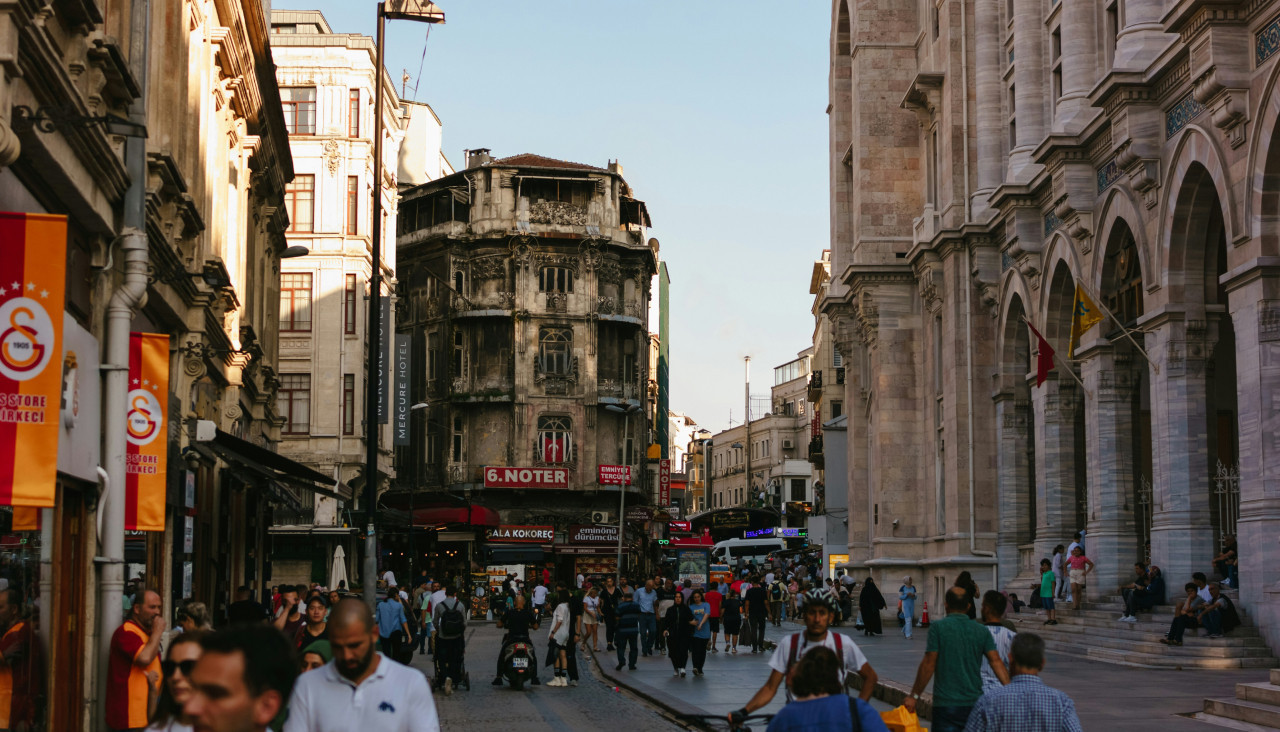
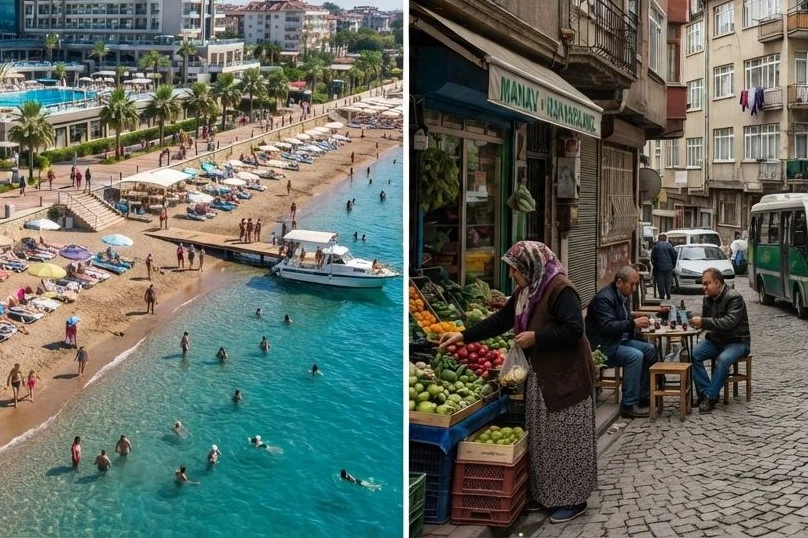
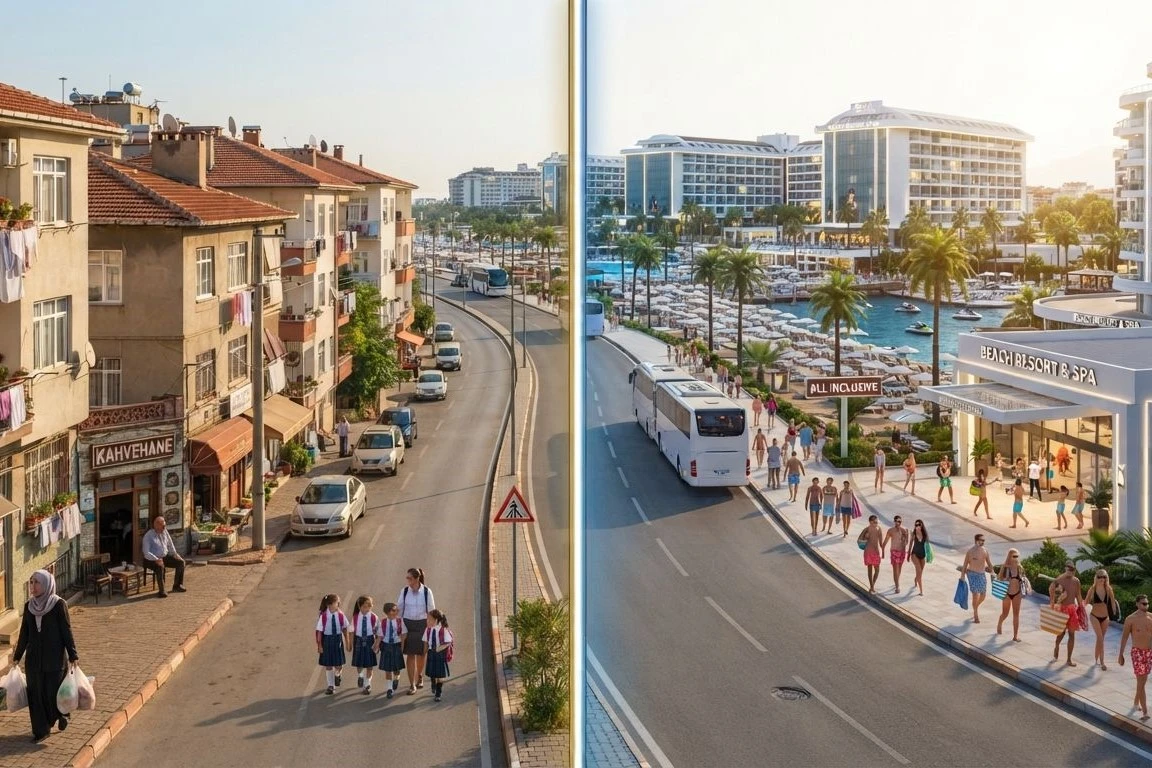
Take Antalya, Alanya or Bodrum and you will find neighbourhoods a few kilometres apart that run on completely different schedules. One has beach clubs, hotel entertainment and streets full of visitors in July. The other has school runs, weekly markets and neighbours who have lived in the same building for years. Knowing which of the two you are looking at shapes almost every choice about buying or renting a home in Turkey.

How does the rhythm of the year change between high and low season?

The tourist season on the Mediterranean and Aegean coasts runs roughly from May to October. Flights are frequent, beach clubs and restaurants operate at full capacity, and the population of resort towns can multiply several times over. In summer, the atmosphere is busy from morning until late at night.

From November to March the picture shifts. Charter flights thin out, part of the hospitality sector closes until spring, and the sea is too cold for most swimmers. Resort towns become quieter, with a smaller share of shops and cafes open and a population made up mainly of local staff, long-term residents and a few foreign owners. Residential districts of large cities barely notice the change. Schools, offices, universities and markets follow the same schedule all year, and the winter months feel much like the summer ones apart from the weather.

What is everyday life like in a Turkish resort area?

Daily life in a resort area is organised around the sea, the pool and the promenade. Mornings often start with a walk to the beach or a coffee at a terrace cafe, and evenings are spent at restaurants, in waterfront parks or at open-air events. Many complexes have their own pools, gyms, children's areas and security, so a good part of the day can be spent without leaving the territory.

Shopping happens at supermarkets and small markets that cater to tourists and expatriates, and menus and signs are often available in several languages. English, German and Russian are widely understood in service businesses, which makes settling in easier for newcomers. The pace is relaxed for most of the year, with peaks of noise and crowds on summer evenings and around holidays.

Practical matters can be less convenient. Larger hospitals, government offices and shopping centres may be a drive of 20 to 40 minutes away, and public transport depends on minibuses that run less often in winter. Owners who live in resort areas for the whole year usually have their own car and plan their routines around it.

What is everyday life like in a Turkish residential district?

A residential district works on the rhythm of a city. People commute to work, children walk or take a school bus, and the day includes trips to the pharmacy, the bakery and the neighbourhood grocer. Weekly street markets sell fresh produce at local prices, and small family-run shops and cafes fill the ground floors of apartment buildings.

Public services are close at hand. Clinics and hospitals, schools, banks, government offices and shopping malls are usually within a short drive or a tram or metro ride. Cities such as Istanbul, Izmir and Antalya have public transport networks that let residents manage without a car, though a private vehicle remains common.

The social environment is mostly Turkish, with a smaller group of foreign residents. Language skills matter more here, since shop assistants and municipal employees are less likely to speak English than staff at a hotel or tourist restaurant. Newcomers who learn the basics of Turkish tend to settle faster and build relationships with neighbours more easily.

How do resort areas and residential districts compare on services, transport, noise, prices and neighbours?

  • Services. Resort areas offer restaurants, beach facilities, spas and leisure venues, and many of them work at reduced capacity in winter. Residential districts provide everyday services such as clinics, schools, banks and markets that keep working through every season.
  • Transport. Resort towns rely on minibuses, taxis and private cars, with lower frequency in the off-season and longer trips to the airport or city centre. Residential districts in big cities usually have buses, trams, metro lines and frequent connections, and daily errands can be done on foot or by public transport.
  • Noise. Resort areas can be loud in summer because of nightlife, music venues, traffic and construction that continues in the warm months. Residential districts have their own noise from traffic, rush hours, school yards and the call to prayer, and the level stays fairly constant through the year.
  • Prices. In resort areas, prices in restaurants, rentals and services tend to rise in high season and drop in winter, and shops aimed at tourists charge more than local markets. Residential districts have steadier prices that reflect local incomes, and daily shopping is generally cheaper.
  • Neighbours. Resort complexes host a mix of seasonal owners, short-term tenants, tourists and foreign residents, and many apartments stand empty in winter. Residential buildings are home to permanent residents, families and long-term tenants, and neighbours tend to know one another.

Who suits a resort area and who suits a residential district?

  • A resort area suits you if
  • you plan to use the home for holidays, weekends or several months a year rather than full-time
  • you want a beach, a pool and leisure facilities close to the front door
  • you work remotely or are retired and value a quiet, sunny environment in the warm months
  • you expect to rent the property to holidaymakers in high season and accept an uneven income across the year
  • you have a car or are comfortable with longer trips for hospital visits, shopping and paperwork
  • A residential district suits you if
  • you live in Turkey all year or intend to move with a family
  • children need schools within reach, and adults need work, clinics and public services close by
  • you prefer stable prices, steady neighbourhood life and easy access to public transport
  • you plan to rent the property long-term to local or foreign tenants and want demand that holds through winter
  • you are prepared to learn some Turkish and build a routine similar to life in any large city

Some buyers combine the two and choose a home in a coastal city district, where residential life and sea access meet. Areas in Antalya, Mersin and Izmir often fit this profile, with a beach a short ride away and a full set of city services nearby.

Resort areas and residential districts in Turkey offer different daily routines, and the right choice depends on how many months you plan to spend in the country, whether you need schools and clinics nearby, and how you intend to use the property. DDA Real Estate can help you compare neighbourhoods in person, visit complexes in both types of area and calculate the running costs of each option. Leave a request on our website, and we will prepare a selection of apartments that matches your lifestyle and budget.

Popular
5 June 4354119 views
Dubai Rent Prices 2025: Average Apartment Rental Costs in Dubai Dubai's rental market continues its upward climb in 2025, driven by population growth and limited new supply, pushing average prices up by 10%
#Blog DDA
8 October 2507904 view
DLD Fees in Dubai: Everything You Need to Know Buying property in Dubai? Don't let hidden fees surprise you! Our essential guide breaks down ALL Dubai Land Department (DLD) fees
#Blog DDA
23 November 1983240 views
How to Buy a SIM Card in Turkey in 2026: Prices, IMEI Registration, eSIM Options, and Best Mobile Operators Overview of mobile operators, available types of SIM cards, and home Internet providers
#Blog DDA
5 July 1841994 view
How Much is the Real Estate Agent Commission in Dubai? Find out how much real estate agent commission costs when buying property in Dubai.
#Blog DDA
5 February 1492281 view
How Foreigners Can Own Property in Bali: Understanding PT PMA (2025) Foreigners can't own freehold land in Bali, but a PT PMA (foreign-owned company) allows secure property ownership under Hak Guna Bangunan (HGB) or Hak Pakai (HP) rights
#Blog DDA
28 August 1264221 view
Oqood vs Title Deed in Dubai: Key Differences You Must Know Buying property off-plan in Dubai? Oqood registration is mandatory to secure your ownership rights.
#Blog DDA