Safety in Thailand for Solo Women and Expats
66 2 026-1660
day and night
Bangkok
EN
$
ft²
Other articles

Safety in Thailand for Women: The Risks Worth Planning For

Nikita Sokolov The author of the article, the Broker
#Blog DDA
26 September 1008 views

Thailand is a comfortable country for a woman on her own, and solo travellers and residents here will tell you the same. The problem with most safety advice is that it addresses the rarest risk and skips the likeliest one.

Violent crime against foreign women is uncommon. Road accidents are not. More visitors are hurt on a motorbike in a month than by strangers in a year, and that ranking should shape what you actually prepare for.

Below is the honest order of risks, what to do about each, and the one safety factor you genuinely choose — the building you live in. Conditions vary by area and change over time, so treat this as a framework rather than a list of rules.

The order of risk

Ranking matters, because attention and money spent on the bottom row are taken from the top one:

RiskHow likelyWhat reduces it
Road and motorbikeThe dominant risk by farHelmet, licence, not riding at night
Drink-related incidentsConcentrated in nightlife areasWatching your own drink, leaving with people you came with
Theft and scamsCommon, rarely dangerousBag habits, not carrying everything at once
Building intrusionUncommon and preventableChoosing the right building and floor
Violent crimeRareOrdinary caution, as anywhere

Most arrivals plan for the bottom row and improvise the top one. Reversing that is the single most useful change.

The motorbike is the real danger

It is also the most convenient way to get around, which is why the advice is not to avoid it but to treat it seriously.

Wear a proper helmet rather than the one supplied with the rental. Hold the right licence category, because without it insurance is void. Avoid riding at night, in rain and after any alcohol at all. If you would not ride a motorbike at home, this is not the place to learn on a busy road — take a lesson in a quiet area first, or use taxis.

Getting around after dark

Ride-hailing apps changed the picture considerably, because the ride is recorded, the driver is identified and the route is tracked.

Use them in preference to flagging something down late at night, share the trip with someone when you are alone, and sit in the back. A recorded ride is worth more than a slightly cheaper one, and the difference in cost is small.

Nightlife areas

Tourist nightlife districts concentrate both the fun and the trouble. Most incidents involving foreign women happen there rather than in residential neighbourhoods.

The usual precautions apply and work: keep your own drink in view, do not accept drinks from strangers, and leave with the people you arrived with. Agree with a friend in advance how the evening ends and who checks on whom. That single arrangement prevents more problems than any rule about clothing.

What does not need worrying about

Some fears travel with people and do not match the place. Dispelling them frees attention for the real risks.

Walking alone in a residential area during the day, using public transport, eating at street stalls, travelling between cities by bus or train, being out in the early evening — none of these are unusual or dangerous for a woman here. Ordinary life in Thailand is ordinary.

Attention and how it works

A foreign woman alone attracts more attention here than at home, and almost all of it is curiosity, commerce or friendliness rather than threat.

Persistent approaches are usually someone selling something. A polite, firm decline works, and raising your voice or causing a scene is counterproductive in a culture that avoids confrontation. The wider expectations are set out in the guide to Thai cultural dos and don'ts. Calm and unambiguous beats loud.

The building is the part you choose

You cannot change the street, the city or the statistics. You can choose the door you come home to, and for a woman living alone that is the decision with the most safety in it.

Staffed lobby, working cameras, a lift that needs a key card for residential floors, a main door that closes properly. What to ask about all of it is set out in the guide to security in Thai condominiums. Visit the building at eleven at night as well as at two in the afternoon, because the security you are buying is the night-time version.

Floor and layout matter

Within the same building, some units are easier to enter than others, and the difference costs nothing at the point of choosing.

Ground-floor units with windows onto a lane, balconies that connect to neighbouring ones, sliding doors with a simple latch and units beside a service stair are all worth weighing. Check the lock on the sliding door and whether the balcony can be reached from next door, which takes ten seconds at a viewing.

Who else has your key

This is the question nobody asks and it matters more than the brand of lock. Previous tenants, the agent, the owner, the cleaner and building maintenance may all hold copies.

Ask for the lock to be changed or the code reset before you move in, and put it in the rental agreement. It is a normal request and a reasonable landlord agrees without discussion.

Viewing properties safely

Viewings mean meeting strangers in empty buildings, and that is worth a small amount of structure rather than worry.

Use an established agency, tell someone where you are going, and be cautious about listings that ask for a deposit before a viewing — a pattern described in the guide to finding long-term rentals without being scammed. Meet at the property, not somewhere else first.

Choosing the area

Neighbourhoods differ more than cities do. A residential area with families, shops open late and people on the street at night feels and is different from a nightlife strip or an isolated development.

Lighting on the walk from the main road, whether the lane is overlooked and how far it is to transport all count. The character of the main options is set out in the comparison of residential areas of Bangkok for expats. Walk the route from transport to the door after dark before deciding.

Everyday habits that help

None of these is dramatic, and together they cover most of what actually goes wrong:

  • Carrying a bag across the body, on the side away from the road
  • Keeping a card and some cash in separate places
  • Knowing your address written in Thai for a driver
  • Having the emergency numbers saved rather than looked up
  • Telling someone your plan on a longer trip
  • Keeping your phone charged and a backup power bank in the bag

Bag-snatching from a passing motorbike is the commonest street crime, which is why the side you carry it on matters more than the bag.

Health as a safety question

This belongs here because it affects more people than crime does. Insurance, a nearby hospital and a known pharmacy are safety infrastructure.

Check that your policy covers motorbike riding specifically, because many exclude it and that is exactly the risk you are most exposed to. Know which hospital you would go to before you need it.

If something happens

Knowing the sequence in advance makes a bad moment manageable, and most people never think about it until they are in it.

Tourist police handle incidents involving foreigners and generally have English speakers. A report is needed for any insurance claim. Your embassy can help with documents and with finding a lawyer. Report promptly even for minor theft, because the paperwork is what the insurer needs.

Living here over time

Long-term residents settle into a version of normal caution, and it looks much like anywhere else, with the road risk added.

Knowing neighbours, being recognised at local shops and having a few people who would notice your absence all matter more than any gadget. A neighbourhood where people know you is the strongest security a person has, and it takes a few months rather than money.

Questions we hear most

Is Thailand safe for a woman travelling alone?

Generally yes, and many women live here alone without incident. The risks worth preparing for are specific rather than general: the road above all, then alcohol-related incidents in nightlife areas, then theft. Violent crime against foreign women is uncommon.

What is the biggest actual danger?

Motorbikes, by a wide margin. A proper helmet, the right licence category, no riding at night or after any alcohol, and insurance that covers riding will do more for your safety than everything else combined.

What should I look for in a building?

A staffed lobby, working cameras, lift access controlled by key card, and a main door that actually closes. Visit late in the evening as well as during the day, because the night-time version is the security you are buying.

Should I change the locks when I move in?

Ask for it, yes. Previous tenants, agents, owners, cleaners and maintenance may all hold keys. Requesting a lock change or code reset before moving in is normal, and it belongs in the rental agreement.

What do I do if something happens?

Contact the tourist police, who deal with incidents involving foreigners and usually have English speakers, and file a report even for minor theft since insurers require it. Your embassy can help with documents and with finding a lawyer.

Key takeaways

  • The road is the real risk — not strangers
  • Nightlife areas concentrate incidents — residential ones do not
  • The building is the part you choose — visit it late at night
  • Ask who else holds a key — and have the lock changed
  • Being known locally beats any gadget — it takes months, not money

Choose the door you come home to

Most of what makes a place feel safe is decided when the lease is signed rather than afterwards. DDA Real Estate is a real estate agency working in Thailand, and for anyone living alone we look at the things a listing never shows: whether the lobby is staffed at night, how the lift access works, what the walk from transport looks like after dark, and whether the unit can be reached from a neighbouring balcony.

Look at our offers in Thailand and leave a request: tell us how you plan to live and get around, and we will shortlist buildings and areas that suit that, and say plainly which addresses we would not recommend for someone on their own.

Popular
5 June 4322367 views
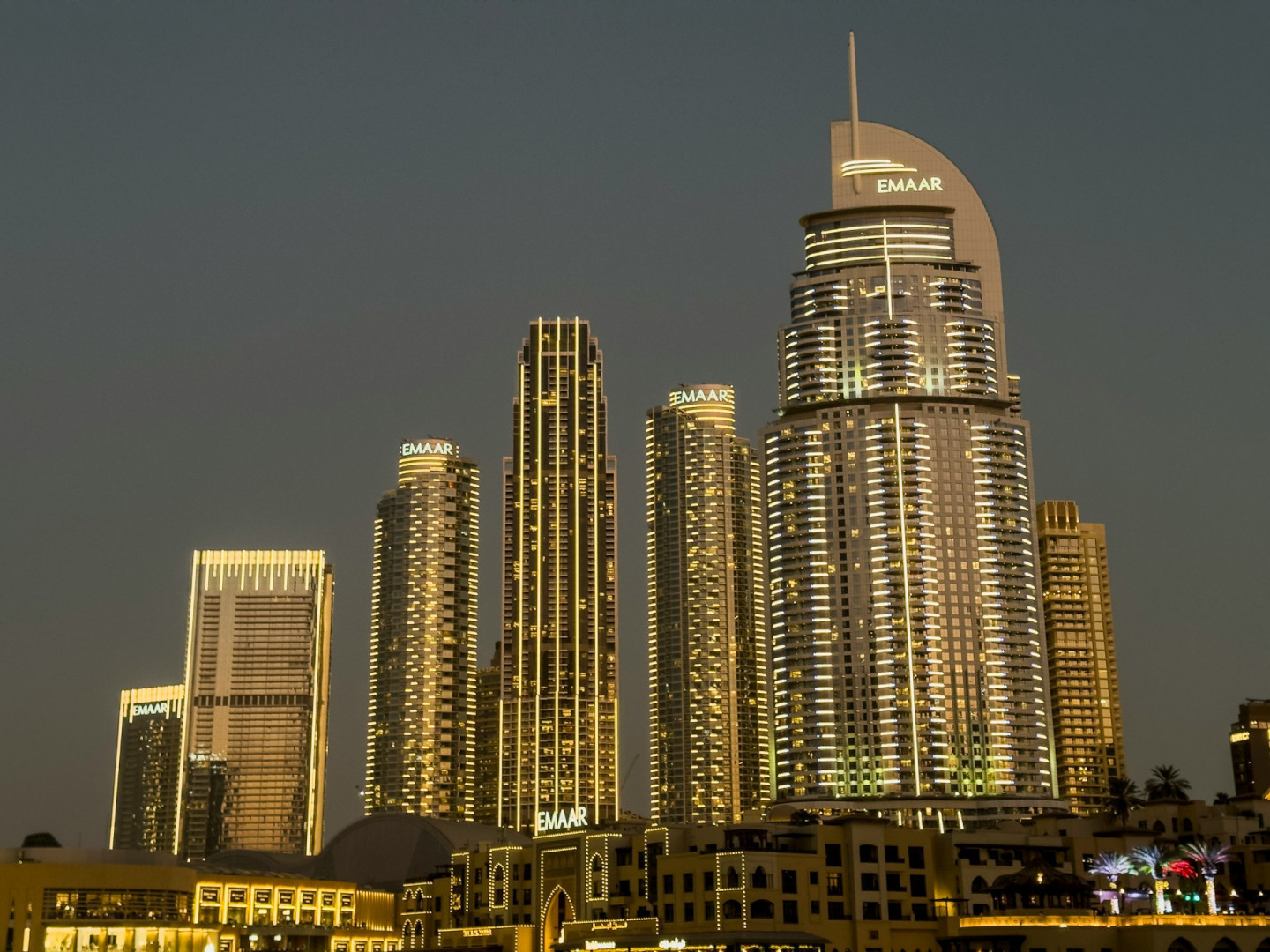
Dubai Rent Prices 2025: Average Apartment Rental Costs in Dubai Dubai's rental market continues its upward climb in 2025, driven by population growth and limited new supply, pushing average prices up by 10%
#Blog DDA
2 July 2485224 view
DLD Fees in Dubai: Everything You Need to Know Buying property in Dubai? Don't let hidden fees surprise you! Our essential guide breaks down ALL Dubai Land Department (DLD) fees
#Blog DDA
23 November 1947267 views
How to Buy a SIM Card in Turkey in 2026: Prices, IMEI Registration, eSIM Options, and Best Mobile Operators Overview of mobile operators, available types of SIM cards, and home Internet providers
#Blog DDA
5 July 1816605 views
How Much is the Real Estate Agent Commission in Dubai? Find out how much real estate agent commission costs when buying property in Dubai.
#Blog DDA
5 February 1474074 view
How Foreigners Can Own Property in Bali: Understanding PT PMA (2025) Foreigners can't own freehold land in Bali, but a PT PMA (foreign-owned company) allows secure property ownership under Hak Guna Bangunan (HGB) or Hak Pakai (HP) rights
#Blog DDA
28 August 1239273 view
Oqood vs Title Deed in Dubai: Key Differences You Must Know Buying property off-plan in Dubai? Oqood registration is mandatory to secure your ownership rights.
#Blog DDA