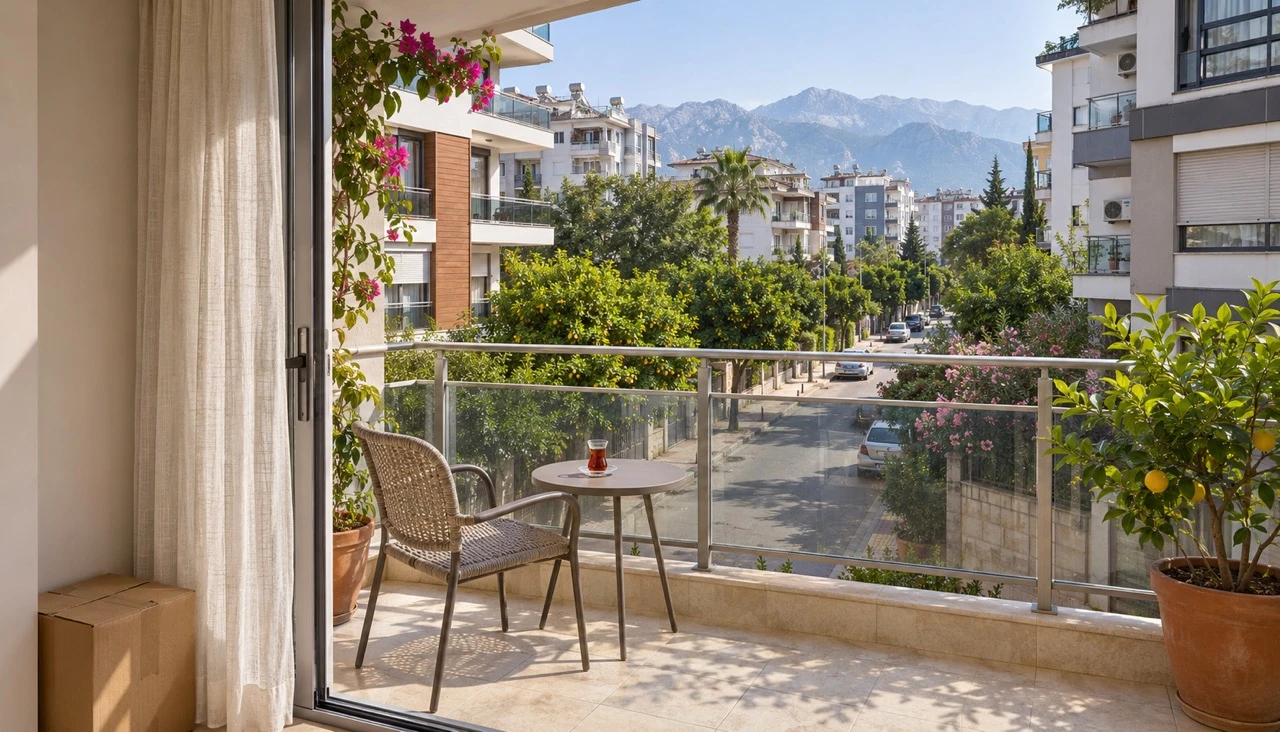
The paperwork ends faster than people expect. Utilities connect, the address is registered, the boxes are unpacked, and then the useful question arrives: how does an ordinary week work here?
Newcomers who settle quickly do one thing differently. They build a short list of people and services in the first weeks, instead of solving each problem from scratch when it appears.
This guide covers the contacts worth having and how bills and payments really work. It also sets out the rhythm of shopping and healthcare, and the seasonal maintenance nobody warns you about. Practices vary by city, so treat this as a framework.
The List That Replaces a Concierge
Nine numbers in your phone remove most of the friction of a first year:
- The building manager. The single most useful contact you will have. He knows the building, the residents and who to call for what.
- A plumber and an electrician. Ideally ones who already work in your building. They know the layout and can come the same day.
- An air conditioning technician. Servicing is annual here, and finding someone in July is harder than finding someone in April.
- A cleaner. Weekly or fortnightly, usually found through the building or neighbours.
- Your nearest pharmacy. Turkish pharmacists advise on minor problems, and this is the normal first stop.
- A doctor who speaks your language. Worth identifying before you are ill, not during.
- A sworn translator. Official documents need certified translation, and it comes up more often than expected.
- A reliable driver or taxi contact. For airport runs and evenings when apps are stretched.
- A handyman. For everything that is not plumbing or electrics, which turns out to be most of it.
Collect these through the building rather than online. A tradesman recommended by your manager has a reason to do the job properly. He will see you and the manager again next week.
How Bills Actually Arrive
Payment culture here runs on automation, and setting it up early prevents the most common expat problem.
Utility bills are issued monthly and can be paid at the bank, through apps or at authorised points. The building charge is collected separately by the management, usually monthly.
Set up automatic payment for everything you can. Arrears accumulate quietly while you are travelling, and unpaid building charges attach to the property rather than following you personally.
Keep one account for household payments so the history is in one place. What the recurring costs consist of is set out in the guide to utilities and property costs in Turkey.
The Shopping Rhythm
Daily life here has a pattern that rewards learning rather than fighting.
| Where | What for | When |
|---|---|---|
| The street market | Fruit, vegetables, cheese, eggs | Its fixed weekday, mornings |
| The corner shop | Bread, milk, small items | Daily, walking distance |
| The bakery | Fresh bread | Daily, and it matters here |
| Supermarket | Everything else | Weekly |
| Delivery apps | Groceries and meals | Whenever, widely available |
| Wholesale stores | Bulk and household goods | Monthly |
Find your neighbourhood market day in the first week. Produce is better and considerably cheaper than the supermarket, and the market is also where you start recognising people. In a new city that matters more than the saving.
Healthcare in Practice
The system works differently from what most newcomers expect, and the difference is useful.
Pharmacies are the first stop for minor problems. Pharmacists are qualified to advise and many medicines available here need no prescription. For anything more, private clinics are quick and widely used by residents.
Identify a clinic and a doctor before you need one. Ask neighbours and the building manager rather than searching online. Personal recommendation is how this is done here, and it produces better results.
Keep your insurance documents accessible on your phone, along with a note of any conditions and medications in Turkish. A translated line of text saves a great deal in an emergency.
Getting Around
How you move shapes the week more than anything except the commute itself.
Public transport in the larger cities runs on a transport card that covers buses, trams and metro where available. Taxi apps work in most cities and remove the language barrier around fares and destinations.
Decide the car question deliberately rather than by default. In a central district with transport nearby, many residents manage without one. Outside town it becomes necessary, and that changes the household budget. The options for renting a car in Turkey are worth understanding before buying one.
A local mobile number is the practical foundation of all of this. Apps, deliveries, bank confirmations and tradesmen all depend on it, and the options are covered in the guide to mobile communications in Turkey.
The Language Minimum
You do not need fluency. You need about forty words and five situations.
The situations that recur are the market, the pharmacy, the taxi, the building manager and the delivery driver at your door. Learning the vocabulary for those five covers most of an ordinary week. Start here:
- Numbers. For prices, floors, quantities and phone confirmations.
- Greetings and thanks. Used constantly, and noticed when used.
- The names of what you buy. Twenty words of food vocabulary transform the market.
- Your address, spoken aloud. For taxis and deliveries.
- «There is a problem with…». One sentence that starts every useful conversation with a tradesman.
Effort is rewarded here disproportionately. Attempting Turkish badly gets warmer treatment than speaking English well, and that changes how your building treats you within weeks.