
Off-plan properties
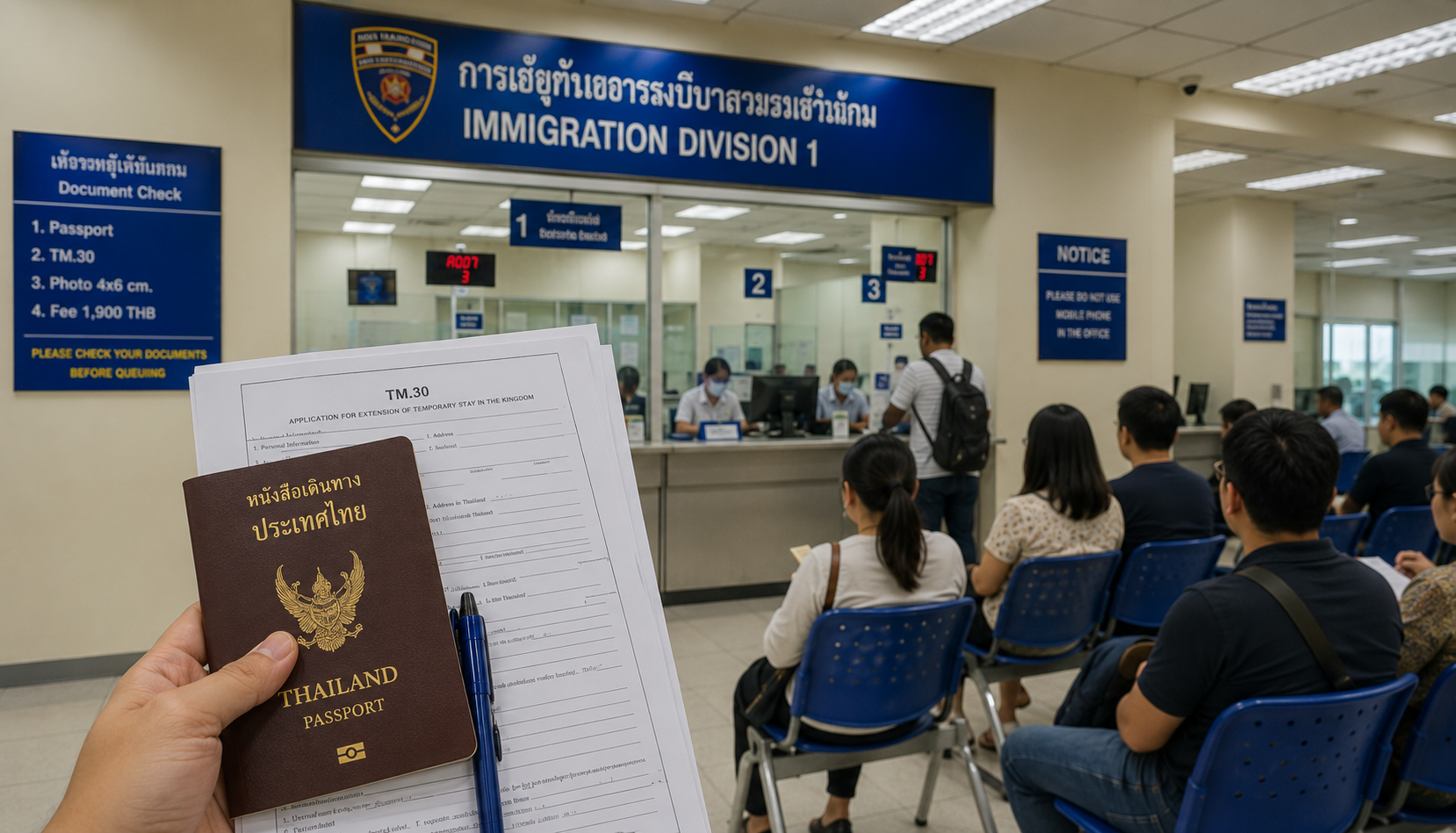
If you have ever stood in a Thai government office clutching a stack of photocopies and wondering which queue is yours, you are not alone. For foreigners, Thai bureaucracy can feel like a maze of forms, stamps and waiting rooms — but most of it is predictable once you know the rules of the game. This guide walks you through the three arenas every long-term foreigner eventually meets: the Immigration Office, the Land Office and the local District (Amphur) Office.
None of it is as intimidating as the queue suggests. The trick is preparation: the right documents, the right copies and a healthy dose of patience. Here is how each office works, what to bring and how to keep your paperwork moving.
Thai administration is still largely paper-based, and procedures can vary from province to province and even from one officer to another. Add a language barrier and opening hours that rarely match your schedule, and a simple task can swallow a whole morning. The good news: the system rewards preparation. Bring complete, correctly signed documents, arrive early, and most visits end faster than you feared.
Before diving into details, here is the big picture of who handles what:
| Office | What it handles | What you usually need |
|---|---|---|
| Immigration Office | Visas, extensions, 90-day reports, re-entry permits | Passport, photos, signed copies, TM forms |
| Land Office (Land Department) | Title deeds, property transfers, lease registration | Passport, FET form, sale contract, title deed |
| District Office (Amphur) | House registration book, pink ID, marriage | Passport, lease or ownership proof, photos |
This is the office foreigners visit most. The most common tasks include:
Always bring your passport, signed photocopies of the relevant pages, passport photos and proof of your address. Requirements can differ by office, so checking your local immigration office's current list before you go saves a wasted trip.
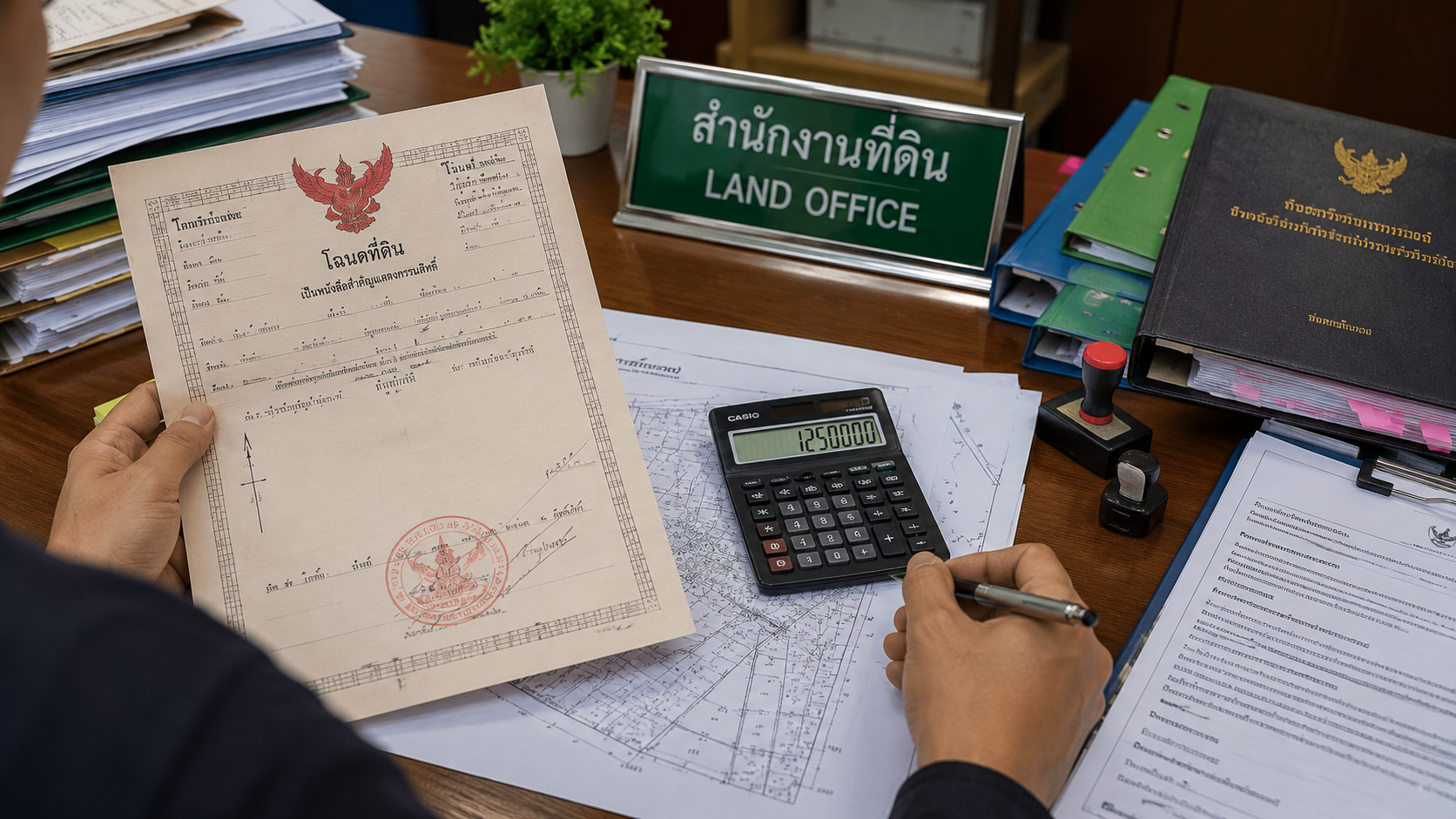
The Land Department registers everything related to property. For foreigners, the key points are:
Those fees are worth budgeting for in advance:
| Cost at transfer | Approximate rate |
|---|---|
| Transfer fee | ~2% of the appraised value |
| Stamp duty | 0.5% (when applicable) |
| Specific Business Tax | 3.3% (if sold within 5 years) |
| Withholding tax | Varies by seller and holding period |
*Who pays what is negotiable between buyer and seller, and rates (including temporary government reductions) change — confirm the current figures at the Land Office or with your agent.
The district office — called Amphur, or Khet in Bangkok — handles residence records and civil registration:
These are optional for short stays but handy if you plan to live in Thailand long term, open bank accounts or simplify other paperwork.
Whatever office you visit, a standard kit saves repeat trips:
Most of this bureaucracy becomes relevant the moment you buy property — registering ownership, proving the source of your funds and aligning the purchase with a long-term visa. Getting it right from the start protects your investment. Our team coordinates every step with developers, banks and the Land Office, and our guides cover the essentials: see essential tips for buying an apartment in Thailand and property investment in Thailand for foreigners for the legal groundwork.
Financing adds its own paperwork, especially the foreign-currency transfer rules the Land Office requires. If you are weighing a loan, our overview of mortgages in Thailand for foreigners explains the requirements and eligibility before you start.
How often do I need to do 90-day reporting?
Every 90 days while you hold a long-stay extension. You can report in person, by post, online or through an agent. Missing it brings a fine, so set a reminder a few days early.
What is a TM30 and who files it?
The TM30 is an address notification filed by your landlord, host or hotel when you stay at their property. Many immigration tasks require a valid TM30, so make sure yours is up to date before your visit.
Can a foreigner own land in Thailand?
Not directly. Foreigners can own condominiums freehold within the 49% foreign quota, or lease land for 30 years with a registered lease. A lawyer can advise on the safest structure for your situation.
What is the FET (Tor Tor 3) form?
It is the document proving your purchase funds arrived from abroad in foreign currency. The Land Office needs it to register a foreign freehold condo, and you will want it again for a smooth resale.
How much are property transfer costs?
Expect around a 2% transfer fee plus stamp duty or specific business tax and withholding tax. The split between buyer and seller is negotiable and rates change, so confirm current figures before closing.
Do I need a yellow house book or a pink ID card?
They are optional but useful for long-term residents — handy for proving your address and simplifying banking and other administrative tasks.
Ready to turn paperwork into property? DDA Real Estate guides foreign buyers through every stage — from choosing the right location to handling the Land Office, taxes and visa alignment. Our bilingual legal and financial experts make sure your purchase is secure and compliant, so you can enjoy Thailand without getting lost in the queues.