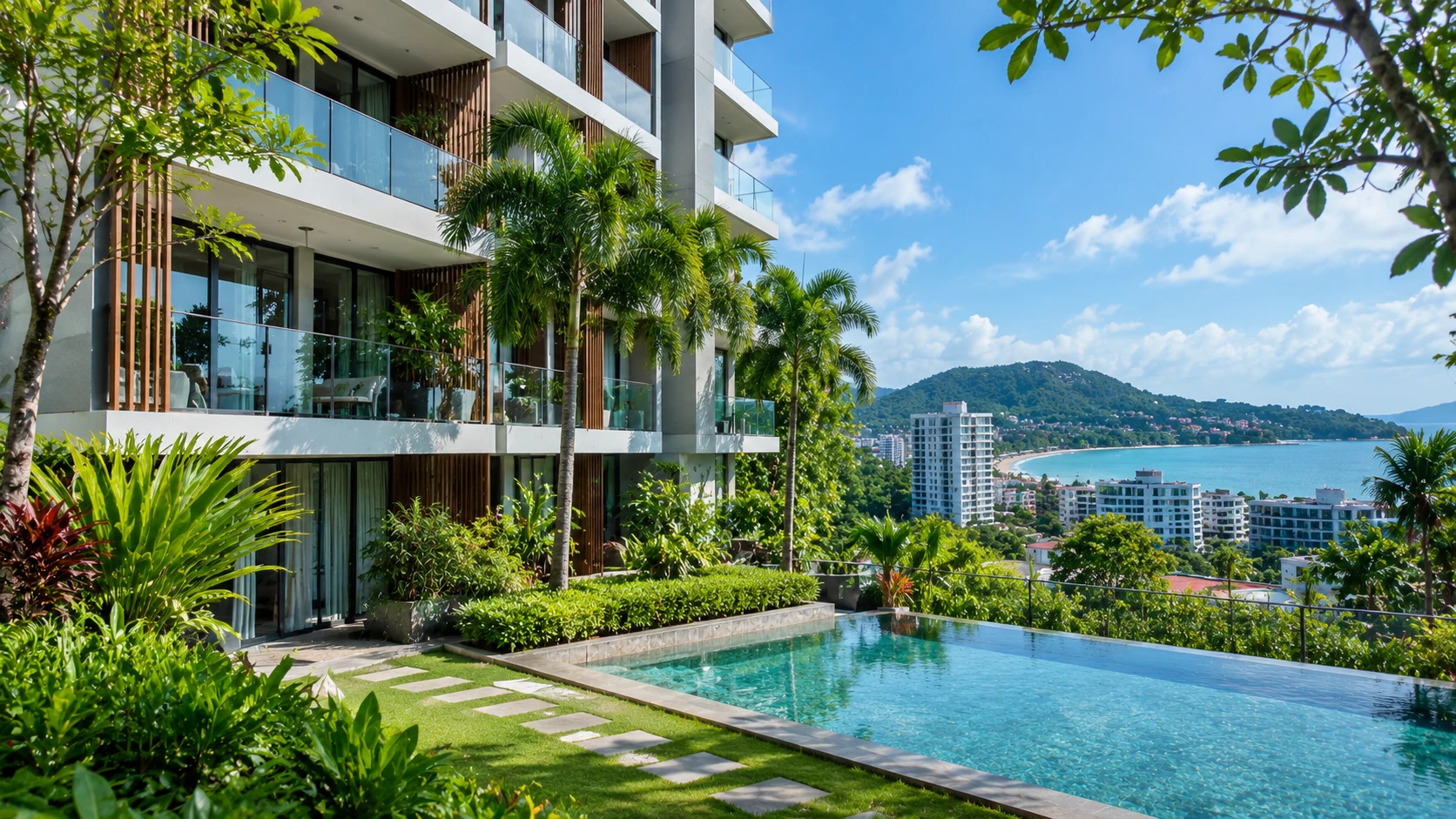

Foreign investors will find a myriad of opportunities in Thailand's real estate market, but it is important to understand Thailand's land ownership laws in order to invest securely. This comprehensive guide discusses the core elements related to property investment in Thailand, including legal ownership types, market trends, and best practices for foreigners.
Property in Thailand for Foreign Buyers
Foreign ownership of property in Thailand is restricted, but investment is still possible. While direct land ownership is prohibited for foreigners, several legal avenues exist for property investment in the Kingdom.
How to Purchase a Condominium in Thailand
The easiest and most popular way for foreigners to invest in Thai real estate is by purchasing a condominium. Under Thailand's Condominium Act, foreigners can own up to 49% of the total sellable area in a condo development, while Thai nationals must own the remaining 51%.
Advantages of Buying a Condo
- 100% foreign ownership within the legal quota.
- No need to establish a Thai company.
- High demand in tourist-heavy areas like Bangkok, Phuket, and Pattaya.
- Potential for rental income from short- or long-term tenants.
Leasing Land and Property
For foreigners who wish to own a house but cannot buy land, leasing is an option. Foreigners can lease land for up to 30 years, with an option to renew.
Pros of Long-Term Leases
- Fixed lease duration (30 years with renewal options).
- Ideal for home, villa, or commercial property ownership.