Top 5 Bangkok Areas for Expats 2026: Safety & Access
971 56 596-5009
day and night
Dubai
EN
$
ft²
Other articles

Top 5 Residential Areas in Bangkok for Expats: Safety, Amenities & Accessibility

Tatyana Konovalova The author of the article, the Broker
#Blog DDA
29 May 441 view

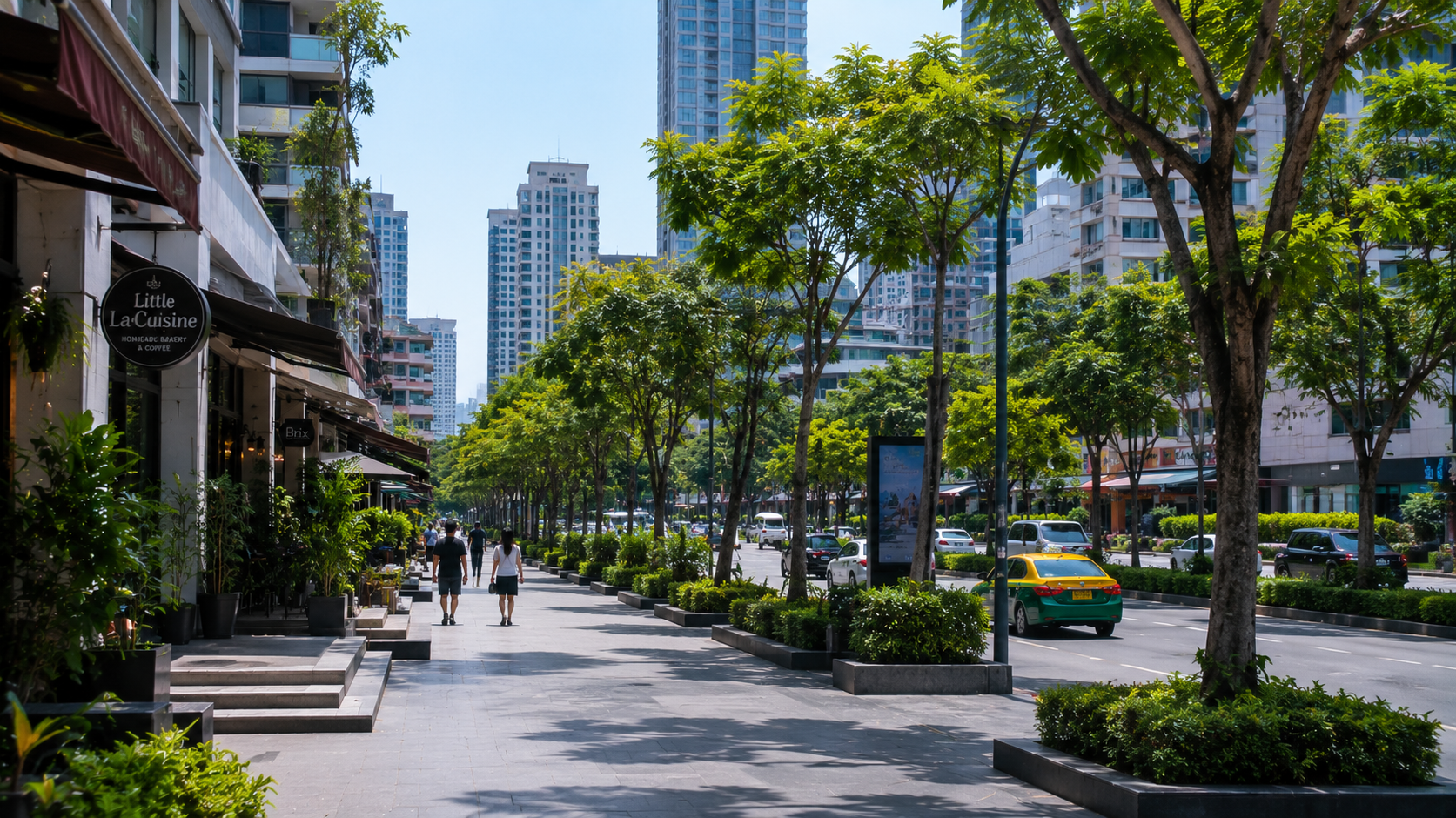
Bangkok is home to more than 300,000 foreign residents, and few decisions shape the experience as much as where you live. The most important factor is rarely how a neighbourhood looks on Instagram — it is which rail line serves your daily route, because on the road a three-kilometre trip can swallow 45 minutes in traffic. Pick the BTS or MRT corridor that reaches your office, coworking space or school first, then choose a station within it.

This guide ranks five of the best residential areas for expats in 2026, judged on the three things that actually matter day to day: safety, amenities and accessibility. Each comes with a rough 2026 rent guide and a note on who it suits. Rents are in Thai baht (฿); for reference, the rate is around 33 ฿ to the dollar, and figures move with the building, floor and distance to a station.

1. Sukhumvit (Asok and Nana): the expat heartland

If you are new to Bangkok, Sukhumvit is the natural landing spot. The stretch between Nana and Asok is the densest concentration of expat infrastructure in the city, and Asok itself is where the BTS Sukhumvit Line meets the MRT Blue Line — arguably the single best-connected point in Bangkok. Terminal 21 anchors the shopping, Bumrungrad and other international hospitals are minutes away, and the restaurants, gyms and nightlife never run out.

On safety, the upper Sukhumvit corridor from Nana to On Nut is widely considered safe and is the most established expat zone. The trade-off is atmosphere: around Asok it can feel touristy and hectic, and Sukhumvit Road at rush hour is punishing. A quality one-bedroom (45–60 m²) here runs about ฿32,000–50,000 a month. Best for first-time expats and professionals who value the largest support community and the easiest transit in the city.

2. Phrom Phong and Thonglor: upscale and family-friendly

A few BTS stops east, Phrom Phong and Thonglor are the polished, desirable heart of expat Bangkok. Phrom Phong is the family favourite: the EmDistrict malls (Emporium, EmQuartier and EmSphere) sit right on the BTS, Samitivej Hospital is close, and leading international schools such as NIST are within easy reach, all wrapped in walkable, leafy, safe side streets. Thonglor, next door, is the trendy counterpart — Japanese restaurants, indie cafes and a strong nightlife and brunch scene.

Both feel secure and well-served, with established expat communities that make the first year far easier. Rents reflect the prestige: a Phrom Phong studio runs about ฿25,000–35,000, a one-bedroom ฿35,000–50,000, and family two- and three-bedrooms climb well beyond that; Thonglor has crept steadily higher since 2024. Best for families, young professionals and foodies who want lifestyle and a strong community — and don’t mind paying for it.

3. Sathorn and Silom: the business district

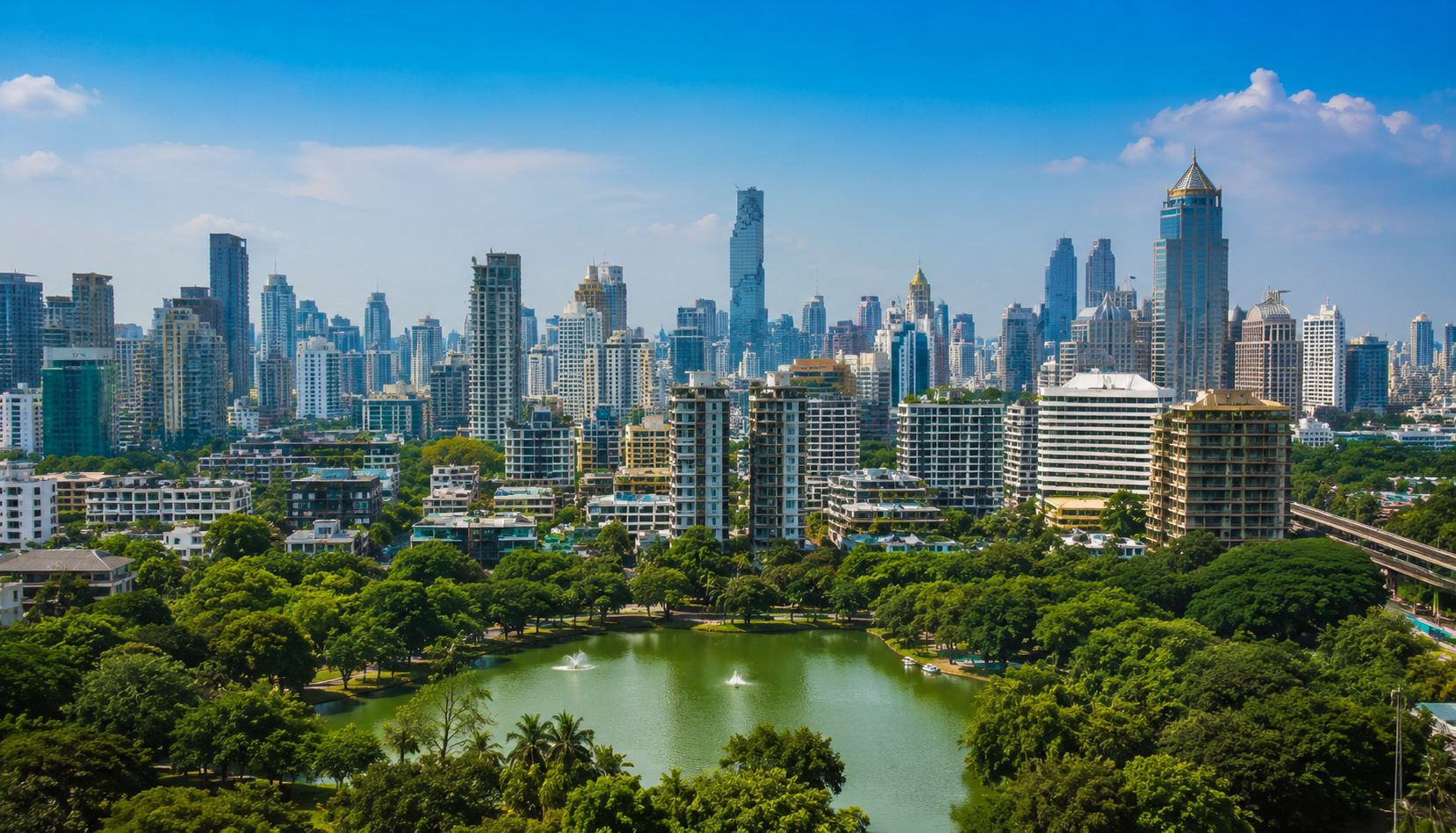
If you work in finance, law or a multinational, the Sathorn–Silom corridor is your natural base. This is Bangkok’s central business district, dense with embassies, corporate towers and serious infrastructure, and served by both BTS (Sala Daeng, Chong Nonsi) and the MRT (Silom, Lumphini) — so you can often walk to the office and skip the train entirely. Lumpini Park, the city’s largest green space, borders the area for morning runs.

Behind the skyscrapers, Sathorn hides quiet residential sois with leafy streets and well-maintained condos, so it is calmer than Sukhumvit despite the business buzz; Silom adds a lively, LGBTQ+-friendly nightlife. It is a safe, cosmopolitan, well-connected part of town, though among the pricier ones. Best for corporate professionals and anyone who wants to live within walking distance of a CBD office and the park.

4. Ari: leafy, local and on the rise

For expats who want a more local, relaxed feel without giving up convenience, Ari has become one of the best picks in 2026. Just north of the centre on the BTS Sukhumvit Line, it is about ten minutes to Siam yet a world away in mood: independent cafes, small galleries, excellent street food and a genuine neighbourhood community. It keeps pockets of old-school Bangkok charm that the glossier districts have lost.

Ari feels calm and safe, and the big draw is value — a solid one-bedroom runs roughly ฿15,000–22,000, noticeably less than central Sukhumvit for similar transit access, and prices ease further one stop north at Saphan Khwai. Best for remote workers, digital nomads and budget-conscious expats who prize cafe culture and a slower pace over five-star malls.

5. Riverside (Charoen Nakhon): luxury on the water

For a different rhythm entirely, the Chao Phraya riverside offers scenic, upscale living with a mix of old and new Bangkok. The Charoen Nakhon side is anchored by ICONSIAM — home to one of Southeast Asia’s most impressive food halls — and lined with luxury waterfront condos and hotels. River taxis and cross-river ferries are a genuinely pleasant way to reach Sathorn and Silom, and the BTS Gold Line plus Saphan Taksin add rail access.

The riverside is peaceful, safe and photogenic, trading some day-to-day convenience for atmosphere and space. The one caveat: it is not the best base if you need a daily commute deep into central Sukhumvit or Ploenchit, where the river connection becomes a bottleneck. Best for luxury seekers and couples who want calm, views and a standout lifestyle over being in the thick of things.

At a glance

Area Vibe 1-bed rent (2026) Best for
Sukhumvit (Asok/Nana)Central, convenient฿32,000–50,000First-timers, professionals
Phrom Phong / ThonglorUpscale, trendy฿35,000–50,000Families, foodies
Sathorn / SilomBusiness, cosmopolitan฿32,000–55,000Corporate, CBD workers
AriLeafy, local, hip฿15,000–22,000Remote workers, value
RiversideLuxury, scenic฿30,000–60,000+Luxury seekers, couples

Renting or buying: what expats should know

Wherever you land, a few practicalities recur. Leases usually run 6 or 12 months, which aligns neatly with long-stay visa cycles; for a short stay or while you decide, a serviced apartment with a monthly lease is easier. Treat “near the BTS” literally — a genuinely walkable 5–10 minutes, not a 15-minute trudge in 35-degree heat. Budget for air conditioning, which runs most of the day and makes utilities a real line item, and always check a building’s flood history before signing, especially for lower floors. If you decide to buy rather than rent, a foreigner can own a condominium outright within a building’s 49% foreign quota — our essential tips for buying an apartment in Thailand and the guides to leasehold versus freehold and types of property ownership walk through exactly how that works, and units in Thonglor, Phrom Phong and Asok tend to be the easiest to resell or re-let later.

Frequently Asked Questions

Which area of Bangkok is best for expats?

For most first-time expats, Sukhumvit — specifically around Asok or Phrom Phong — is the best all-round choice, offering the largest expat community, the most amenities and unbeatable BTS/MRT access. Families lean toward Phrom Phong, corporate professionals toward Sathorn or Silom, and those wanting value and a local vibe toward Ari.

How much does it cost to rent in central Bangkok?

In central expat areas like Sukhumvit, Silom and Thonglor, expect roughly ฿32,000–50,000 a month for a quality one-bedroom of 45–60 m². Phrom Phong studios start around ฿25,000, while Ari and outer BTS areas such as On Nut offer one-bedrooms from about ฿15,000–28,000. Prices vary with building quality and distance to a station.

Is Bangkok safe for expats?

Yes, Bangkok is generally safe, and the main expat areas — upper Sukhumvit, Phrom Phong, Sathorn, Silom, Ari and the riverside — are considered secure day and night. As anywhere, use normal city sense. The bigger practical risk is flooding in some low-lying spots during heavy rain, so check a building’s flood history before you sign.

Which Bangkok area is best for families?

Phrom Phong is the go-to for expat families thanks to international schools such as NIST, the EmDistrict malls, Samitivej Hospital, parks and a strong family community. Sathorn also suits families near schools like Patana, while areas farther out, such as Bang Na, trade a longer commute for more space and lower rents.

How important is living near the BTS or MRT?

Very. Bangkok traffic can turn a short trip into a long one, so proximity to a station is the single most important factor for daily life. Choose the transit line that serves your office or school first, then pick a station on it. Aim for a genuinely walkable 5–10 minutes, not a long walk in the heat.

Where do young professionals live in Bangkok?

Young professionals gravitate to Thonglor and Ekkamai for nightlife and cafe culture, Asok for maximum connectivity, Ari for a creative, local feel, and value areas like On Nut, Phra Khanong and Rama 9 for modern condos at lower rents with good BTS or MRT access.

Can a foreigner buy a condo in Bangkok?

Yes. Foreigners can own a condominium outright (freehold) as long as foreign ownership in the building stays within the 49% quota. Houses and land are more restricted and usually involve leasehold or a company structure. Because of the quota and building specifics, it is worth reviewing the ownership rules before committing.

Should I rent before buying in Bangkok?

Usually, yes. Renting first lets you test a neighbourhood’s commute, noise and daily rhythm before committing capital, and Bangkok rewards people who explore before they buy. Walk an area at different times of day, check the rush-hour commute, and only then decide whether — and where — to purchase.

The bottom line

There is no single best area in Bangkok — only the best fit for your commute, budget and lifestyle. Sukhumvit for convenience, Phrom Phong or Thonglor for polish and family life, Sathorn or Silom for the CBD, Ari for local value, and the riverside for luxury calm. Start from the transit line that serves your days, then narrow to a station. DDA Real Estate helps expats rent, buy and invest across Thailand with full legal support — if a Bangkok condo is on your horizon, our guide to property investment in Thailand for foreigners is a good next step. Get in touch and we’ll match options to your budget and goals.

Popular
5 June 4071564 view
Dubai Rent Prices 2025: Average Apartment Rental Costs in Dubai Dubai's rental market continues its upward climb in 2025, driven by population growth and limited new supply, pushing average prices up by 10%
#Blog DDA
2 July 2358531 view
DLD Fees in Dubai: Everything You Need to Know Buying property in Dubai? Don't let hidden fees surprise you! Our essential guide breaks down ALL Dubai Land Department (DLD) fees
#Blog DDA
5 July 1681470 views
How Much is the Real Estate Agent Commission in Dubai? Find out how much real estate agent commission costs when buying property in Dubai.
#Blog DDA
23 November 1604295 views
How to Buy a SIM Card in Turkey in 2026: Prices, IMEI Registration, eSIM Options, and Best Mobile Operators Overview of mobile operators, available types of SIM cards, and home Internet providers
#Blog DDA
5 February 1384992 view
How Foreigners Can Own Property in Bali: Understanding PT PMA (2025) Foreigners can't own freehold land in Bali, but a PT PMA (foreign-owned company) allows secure property ownership under Hak Guna Bangunan (HGB) or Hak Pakai (HP) rights
#Blog DDA
28 August 1136898 views
Oqood vs Title Deed in Dubai: Key Differences You Must Know Buying property off-plan in Dubai? Oqood registration is mandatory to secure your ownership rights.
#Blog DDA