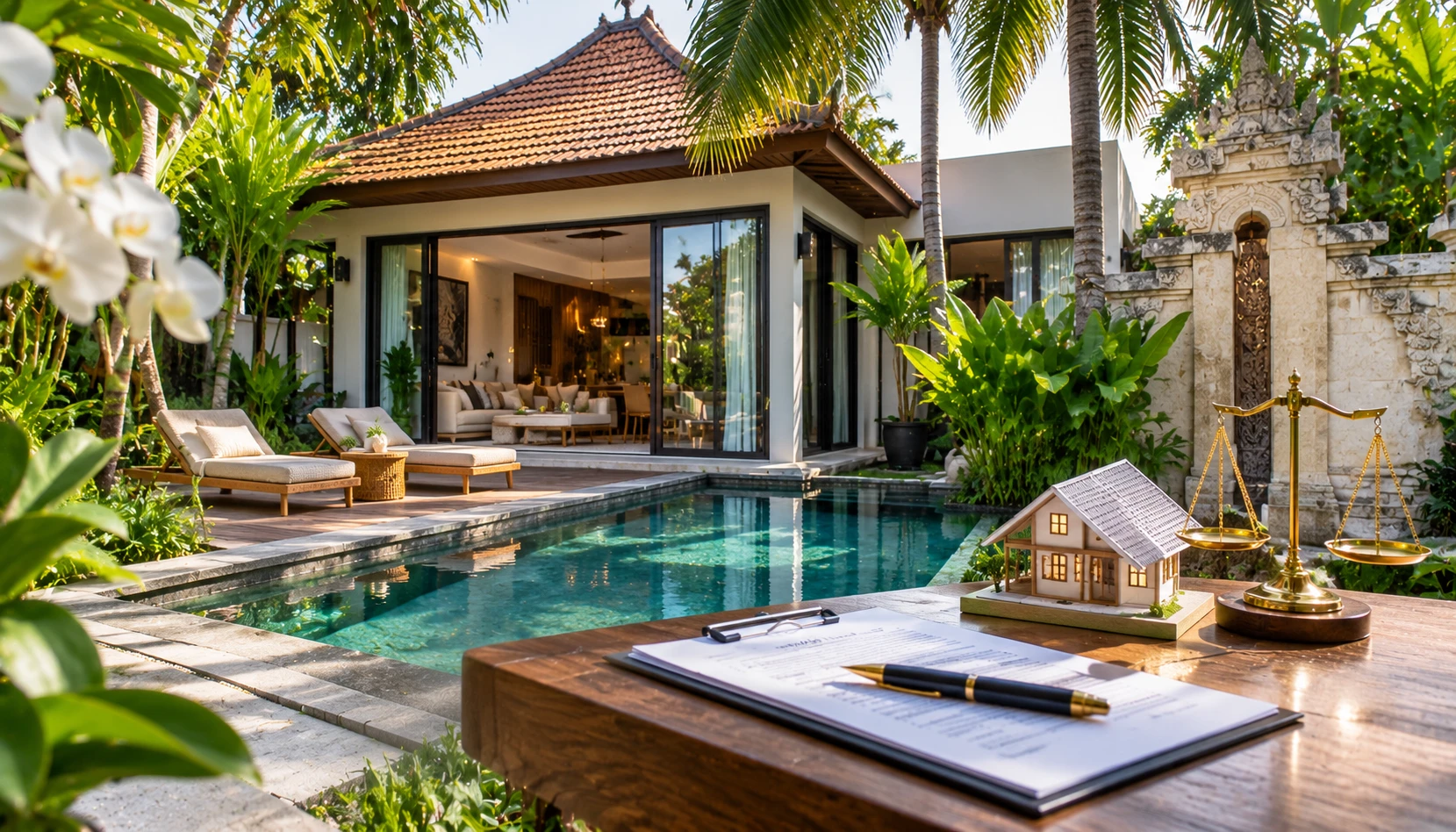
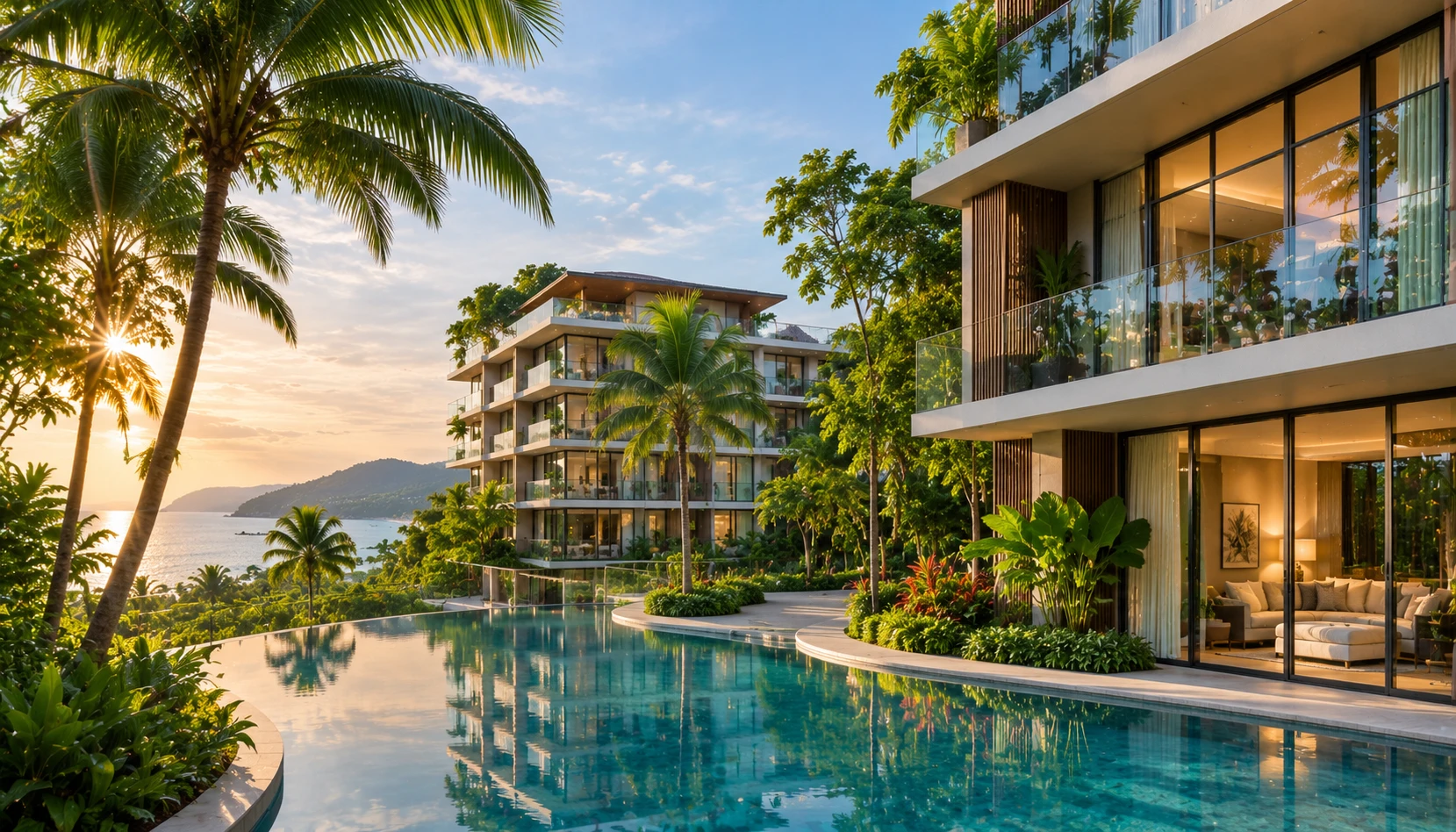
Freehold and leasehold are the two principal property ownership types in Thailand. Knowing one is key for foreign investors since the legal framework is often limiting.
Freehold Property Ownership in Thailand
A freehold ownership interest means exercising full and unrestricted control over a property for an indefinite duration. Foreign ownership cannot exceed 49% of the total unit space, but foreigners can hold syndicate titles under freehold for condominiums. They cannot directly own land but can establish a Thai firm or lease land long-term.
Benefits of Freehold Property
- Complete Ownership – No worry about lease expiry/renewal.
- Higher Resale Value – Beneficial to investors.
- More Control – Property can be freely sold, modified, or transferred by owners.
Buying a Leasehold in Thailand
Foreigners can purchase leasehold ownership, meaning they can lease property or land for 30 years with renewals allowed up to 90 years. Renewals, though, are not automatic, and depend on the owner's agreement.
Concerns about Leasehold Property
- Upon expiration of the lease, the ownership reverts to the landowner.
- Less control – Amendments and transfers may come with constraints.
- Reduced investment value – Limited resale capability.
Benefits of a Leasehold Ownership
- Lower Initial Cost – More cost-effective than freehold.
- Reduce Complexity for Foreigners – No Thai ownership structures required.
- Short- to Medium-Term Solution – Suitable for expats or retirees.
Which Is the Best Option for Foreigners?
- Freehold condos are a perfect fit for long-term investment.
- Leasehold is better for lower costs and provides flexibility.
When it comes to land ownership, establishing a Thai company or leasing land are the two main methods.
Final Thoughts
Freehold has its advantages and disadvantages — just as leasehold does. Foreign buyers must check their objectives and consult a real estate lawyer in Thailand before deciding.
Investing in Thailand Property? DDA Real Estate can help you with that. Learn Our Insight!