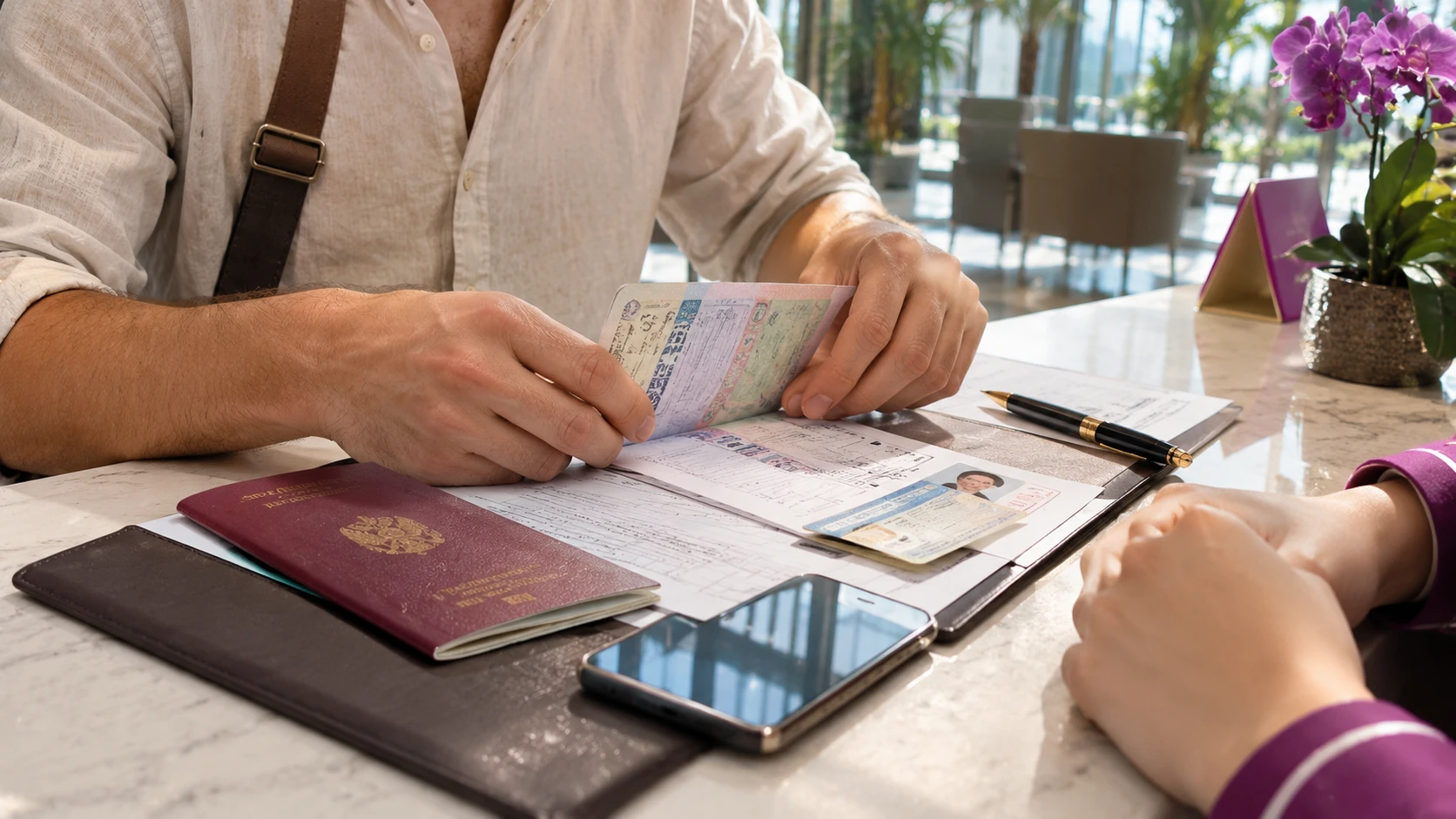
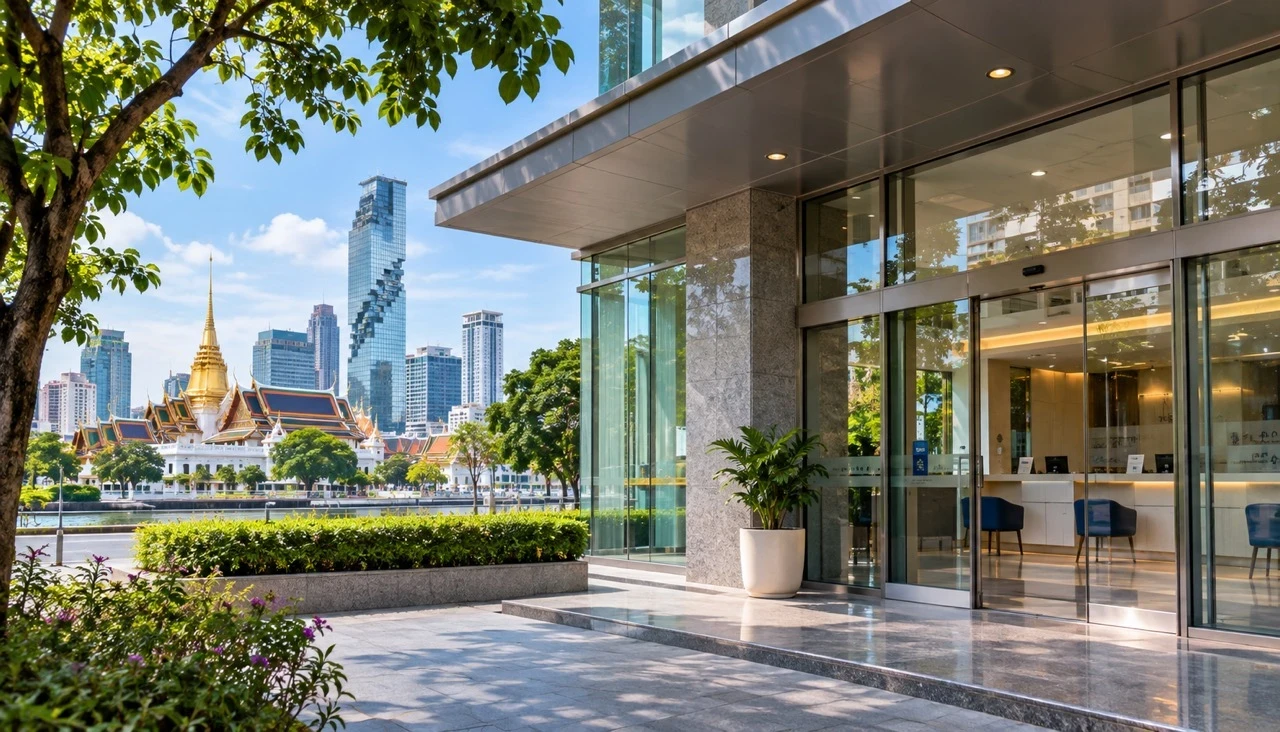
A Thai bank account is the financial backbone of actually living in Thailand rather than just visiting: it is how you pay rent and utilities without international-transfer fees, receive a salary or pension, and use PromptPay, the QR-code system that now settles everything from a 7-Eleven snack to your electricity bill. But the way you get one has changed sharply, and if your information is a year old, it is probably wrong.
As of 2026, Thailand runs the strictest foreign account-opening regime it has ever had. Tourist stamps and even the five-year Destination Thailand Visa (DTV) are effectively frozen out, biometric checks are now standard, and banks scrutinise where your money comes from. This guide reflects the current rules: what changed and why, which visa you actually need, the documents banks demand today, and the process step by step. One caveat throughout — branch policies still vary, so treat this as your preparation checklist and confirm before you go.
What changed in 2026 — and why
The friction is not random branch behaviour; it is coordinated policy. It traces back to a wave of fraud in 2024–2025, when call-centre scam syndicates recruited transient foreigners to open so-called “mule accounts” for money laundering. In response, the Bank of Thailand rolled out tougher Customer Due Diligence (CDD) rules, and — under pressure from international anti-money-laundering standards — banks are now graded on compliance discipline rather than deposit volume, with managers personally accountable for approving a questionable foreign account.
Two practical consequences follow. First, banks now want proof of genuine, anchored residency, not just identity — which is exactly why tourist-class visas no longer qualify. Second, verification has gone physical: since late 2025 most branches require a biometric face scan and a chip-read of your passport, and they no longer accept photocopies for the initial check. Bangkok Bank formalised much of this from 2025, and the other majors have followed.
The visa gate: what qualifies now
This is the decisive factor. To open a new account in 2026 you need a long-stay visa that signals real residency intent: Non-Immigrant B (work, usually with a work permit), O (marriage or family), O-A/O-X (retirement), ED (student), or the LTR visa. Tourist visas, visa-exempt entries and visa-on-arrival stamps are out across all major banks. In practice, retirement and education visas tend to be the smoothest routes for individuals.
Two premium visas act as genuine fast-tracks. LTR (Long-Term Resident) holders get pre-arranged onboarding at Bangkok Bank and Kasikorn — though you typically must notify the Board of Investment (BOI) unit at least four days before your branch visit. The Thailand Privilege (Elite) visa, issued through a Tourism Authority of Thailand subsidiary, comes with a certified letter and membership card that clears most discretionary hurdles and opens both baht and Foreign Currency Deposit accounts. If banking access is your priority and you do not qualify another way, these two are worth serious thought.
The DTV problem — a 2026 flashpoint
The Destination Thailand Visa, launched in July 2024 for digital nomads and remote workers, is the single biggest source of confusion this year. Despite its five-year validity, it is legally classified as a “Tourist” visa under the Immigration Act, so it fails the residency-intent test that banks now apply. As of mid-2026, Bangkok Bank, Kasikorn, SCB, Krungthai and Krungsri have aligned to refuse new accounts for DTV holders — usually a polite decline at the counter, often with no written reason.
It gets sharper: some DTV holders who opened accounts back in late 2024 have had them frozen or flagged during the banks’ periodic compliance audits in 2026. If you hold a DTV and need banking, the reliable path is to obtain a qualifying long-stay visa; in the meantime, services like Wise or Revolut and an offshore multi-currency account cover most day-to-day needs. A handful of smaller Krungsri branches have reportedly made rare exceptions with a residence certificate, but that is not something to plan around.
Which bank should you choose?
The majors require a branch visit and broadly similar paperwork; they differ in how foreigner-friendly they are at branch level:
Bank | App | Notes for foreigners (2026) |
|---|---|---|
Bangkok Bank | Bualuang mBanking | Biggest overseas network, strong English support; long the default, now stricter |
Kasikorn (KBank) | K PLUS | Arguably the best app; friendly at expat-area branches |
SCB | SCB Easy | Stricter for non-residents; smooth for LTR and Privilege holders |
Krungthai (KTB) | Krungthai NEXT | Government-owned; occasionally flexible for students |
For most renters, retirees and remote professionals, Bangkok Bank or Kasikorn are the safest starting points — but the branch matters more than the brand. A main branch in an expat-heavy district (Silom or Sukhumvit in Bangkok, or the centres of Chiang Mai, Phuket and Pattaya) handles foreign accounts daily and is far likelier to approve you.