Lakes of Bali 2026: Bratan, Batur, Buyan
Bali
EN
$
ft²
Other articles

Lakes of Bali: Bratan, Batur, Buyan and Tamblingan

Anna Sarapkina The author of the article, the Broker
#Blog DDA
2 August 3024 view

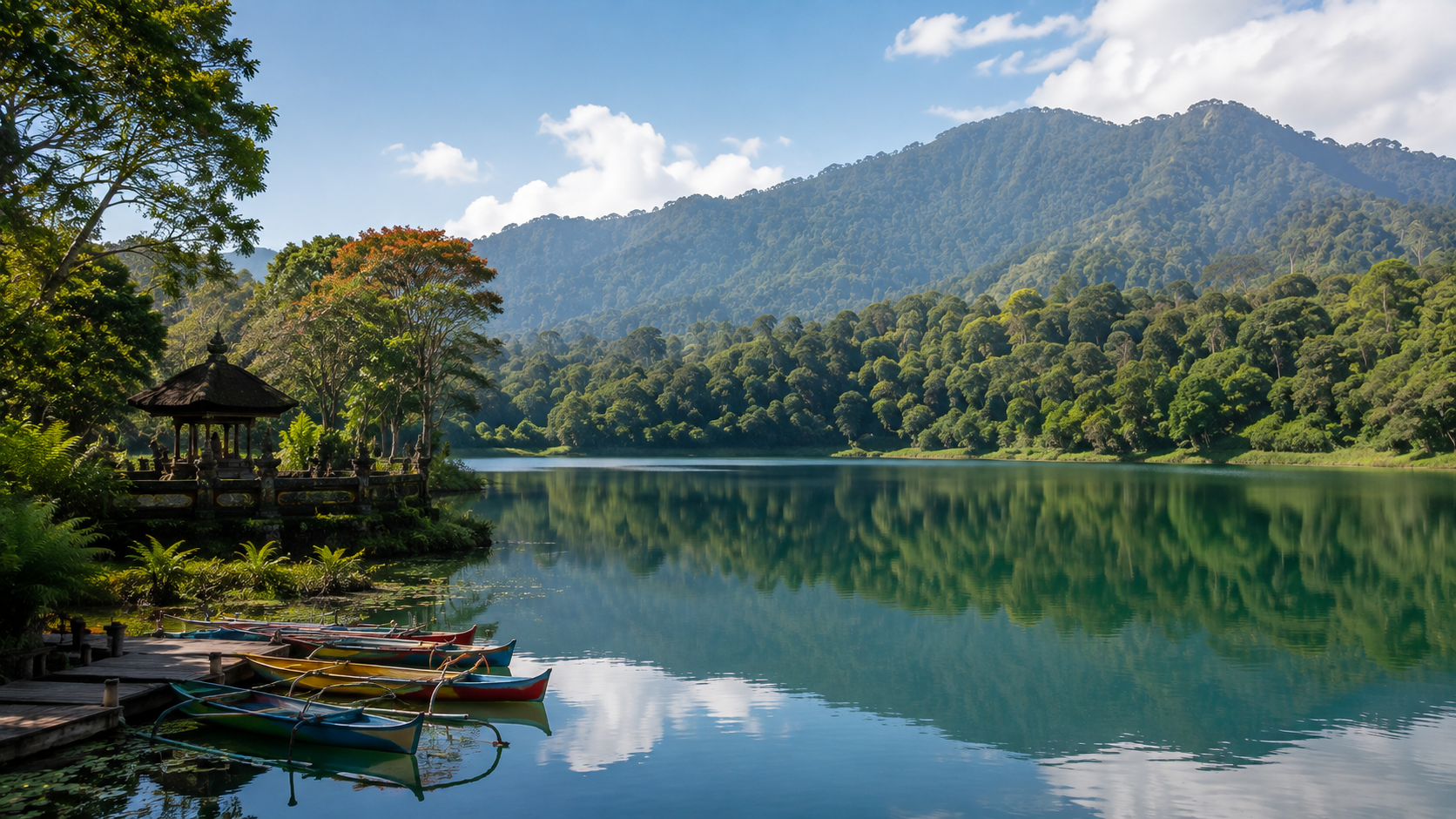
Bali's four highland lakes are usually presented as a set of viewpoints. They are something more specific than that. They are the island's water system — the reservoirs that feed the irrigation network the rice terraces depend on, which is why the temples standing on their shores are working infrastructure rather than decoration.

That distinction changes how the places read. A temple at the edge of a crater lake is not there for the photograph; it sits at the head of a water hierarchy that reaches down through the villages to the fields, and the ceremonies held at it are about the allocation of water.

Below is what separates the four, what the highland climate does to a visit, how to get there, and what this part of the island means for anyone whose interest goes beyond a day trip. Conditions, access roads and local rules change, so check current details before travelling.

Four lakes, one system

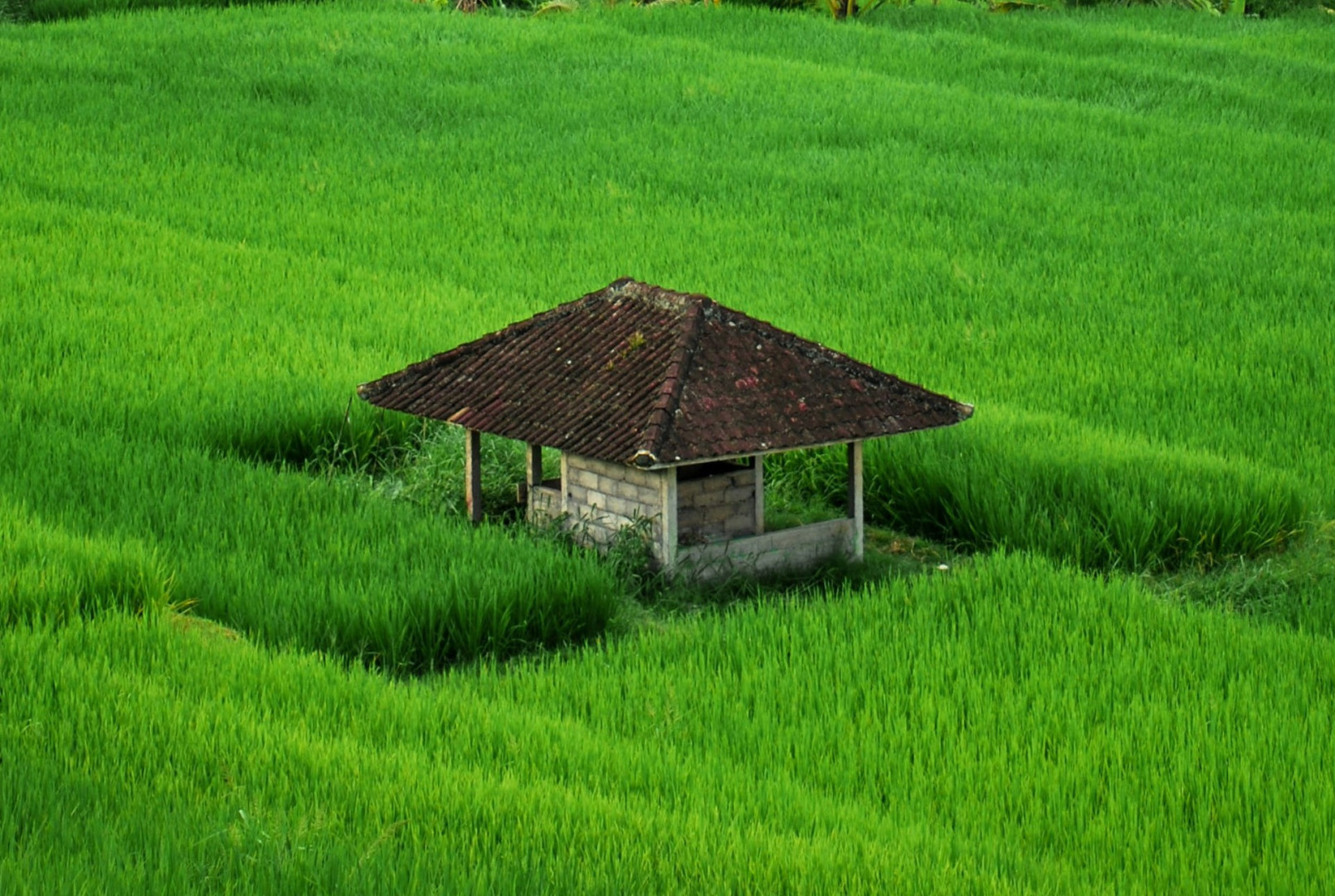
All four sit in volcanic craters in the island's central highlands, and all four are considered sacred. Water released from them supports the cooperative irrigation associations that have organised Balinese rice farming for centuries — an arrangement in which the temple and the water schedule are the same institution.

Understanding that turns the lakes from scenery into context. What the four have in common:

  • Crater origin, which is why the shores rise steeply and the water is deep and cold
  • A place in the irrigation hierarchy, with water temples marking the points where allocation is decided
  • Altitude of roughly a thousand metres and up, so the climate is unlike the coast
  • Active religious use, which means ceremonies, offerings and access restrictions at certain times
  • Agricultural surroundings rather than resort development — vegetables, coffee, cloves and strawberries rather than beach clubs

Bratan: the temple on the water

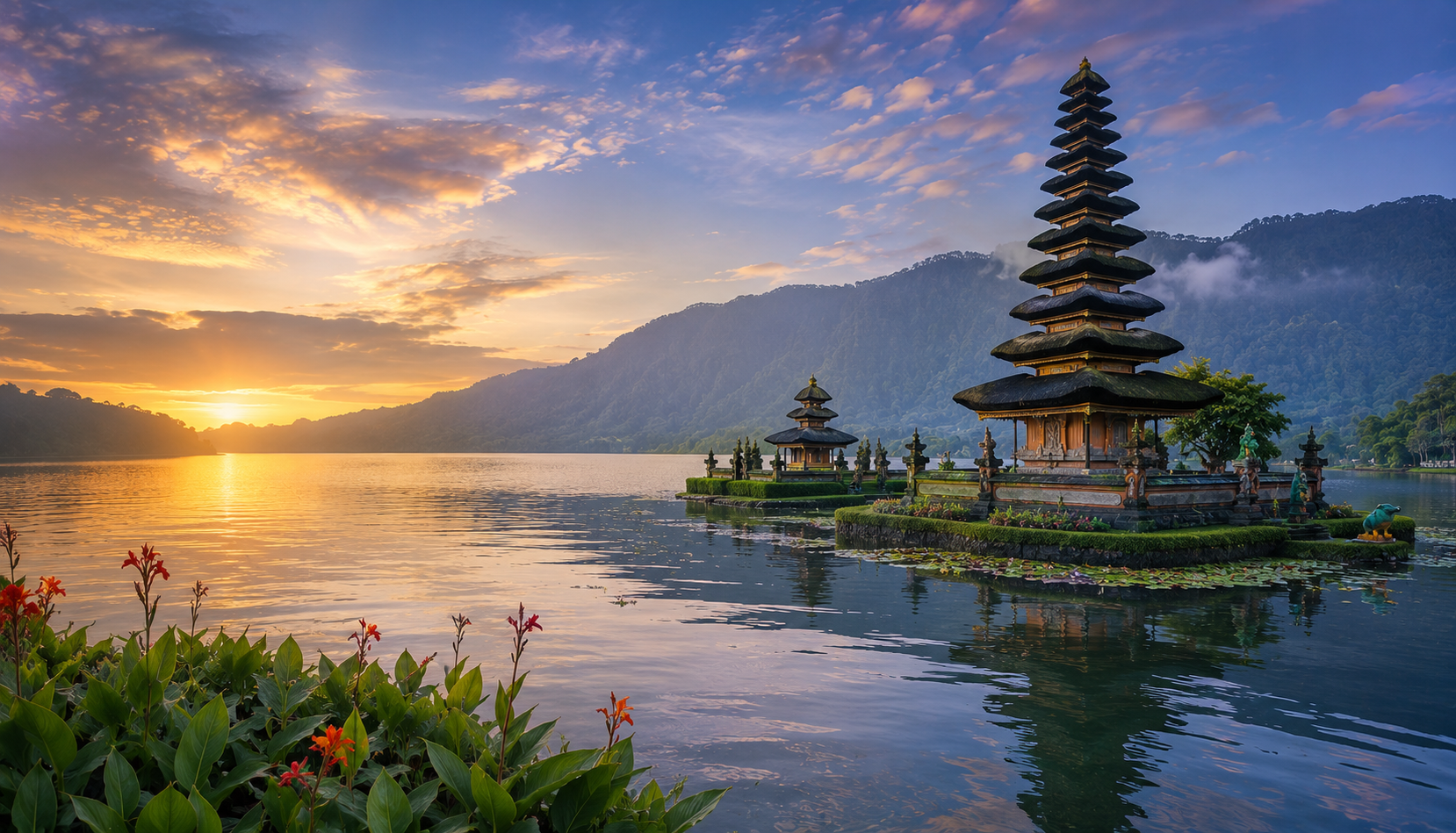
The most photographed of the four, and the one most visitors mean when they say they have seen a Balinese lake. Its temple appears to float when the water is high, sitting on a small promontory that the lake surrounds — an image familiar from Indonesian banknotes long before it appeared on any travel feed.

Around it the Bedugul area is developed for day visitors: a botanical garden, roadside markets selling highland produce, boat hire on the lake itself. It is the easiest of the four to visit and the least solitary, which makes it the right first stop and the wrong one if quiet is what you came for. Arriving early matters more here than anywhere else on the list, both for the crowds and because cloud builds through the morning.

Batur: the caldera lake

The largest lake on the island, lying inside an enormous caldera alongside the volcano that shares its name. The scale is the point: you look across the water at an active cone with lava fields visible on its flanks, and the whole basin is recognised for its geological significance.

The eastern shore holds villages reachable mainly by boat, including one known across Indonesia for a burial tradition unlike anything else on the island. Hot springs feed bathing pools at the water's edge, and the sunrise climb up the volcano starts long before dawn from villages nearby. This is the most visited of the four after Bratan and the one where the local economy is built around visitors — guides, transport and entry arrangements are organised, and expectations about them should be settled in advance rather than at the trailhead.

Buyan and Tamblingan: the twin lakes

West of Bedugul the road climbs past two lakes lying side by side, separated by a narrow forested ridge. They were a single body of water before a landslide divided them, and the viewpoint above the ridge — where both appear at once with the ridge between them — is the image most people carry away.

The smaller of the two is the quieter and the more strictly protected: motorised boats are not used on it, and traditional dugout canoes still cross its surface. Ancient temples stand around its edge, the forest reaches the shore, and trekking routes run through it. If the other two lakes are destinations, these are a landscape — the reward is walking and stillness rather than a single sight. Nearby, the highland waterfalls make a natural pairing on the same trip, and the wider guide to Bali's waterfalls covers the ones worth the detour.

The four side by side

Reduced to what actually differs for a visitor rather than to superlatives:

LakeCharacterBest suited to
BratanDeveloped, photogenic, busyA first visit and a short stop
BaturVast caldera, volcano views, organised tourismSunrise climbs, hot springs, a full day
BuyanQuiet, agricultural, open viewsDriving stops and the twin viewpoint
TamblinganForested, protected, ceremonialWalking, canoes, stillness

The highlands are a different island

People arrive from the coast in beach clothes and regret it within the hour. At these altitudes the temperature drops noticeably, mist moves through in the afternoon, and rain arrives more often and more suddenly than on the southern beaches. Evenings are genuinely cool.

The practical rule is to treat the highlands as a separate destination rather than an excursion from the beach. What that means in practice:

  • Bring a layer and something waterproof, whatever the forecast on the coast said
  • Plan viewpoints for the morning, because cloud usually wins by midday
  • Expect surfaces to be wet and steps to be slippery near water and forest
  • Allow for slower driving than the distance suggests, since the roads climb and wind
  • Check whether accommodation has heating or at least warm bedding if you are staying overnight

Getting there

All four lie in the centre and north of the island, well beyond the southern resort belt, and reaching them means a mountain drive rather than a short hop. The roads are paved and generally in reasonable condition, but they are narrow, steep in places and shared with trucks and scooters.

Most visitors either hire a driver for the day or drive themselves, and both have a case. A driver removes the parking, the navigation and the fatigue of a mountain descent at dusk; driving yourself buys the freedom to stop at viewpoints nobody scheduled. If you choose the second, the requirements are worth reading first — the documents and conditions for hiring a car on the island matter more here than in town, because an incident on a mountain road is a different problem from one in traffic. Whichever you choose, start early: the light, the cloud and the traffic all favour the morning.

A working landscape, not an exhibit

These are active religious sites in inhabited agricultural districts. Ceremonies happen on their own calendar, not on the visiting one, and during them access can be limited or the atmosphere simply not appropriate for sightseeing. Some areas around the lakes are restricted to worshippers at certain times.

Checking the calendar of Balinese holidays and ceremonial dates before planning a highland day is worth the two minutes: it prevents both disappointment and intrusion. Dress as you would for any temple — shoulders and knees covered, a sash where one is required — and follow the same restraint around burial sites and ceremonies that you would expect at home.

What the highlands mean beyond a day trip

For anyone whose interest in this part of the island goes past a visit, the highlands behave nothing like the coastal market. Demand here is not driven by beach tourism, the visitor season is shaped by weather rather than by surf, and the land around the lakes is largely agricultural in both use and designation.

That designation is the substantive point. The regencies containing these lakes are among those where new permits for tourism accommodation on agricultural land have been restricted, a policy reintroduced after flooding and formalised across several regencies. It is executive policy rather than codified law, so it can shift without legislation — which makes it something to verify for a specific plot at a specific moment rather than to assume in either direction. How the island's areas differ for living and investing is set out in the wider guide to Bali's areas, and the highlands sit at the far end of that spectrum from the southern corridors.

Questions we hear most

Can all four be seen in one day?

Bratan and the twin lakes sit close enough to combine comfortably, since the road from one runs past the other. Batur is a separate trip in a different direction and deserves its own day, particularly if a sunrise climb is involved.

Is swimming possible?

These are sacred lakes, and swimming is not the way they are used. The water is also cold and deep with steep edges. Boat trips and canoe crossings are the normal way onto the water, and the hot springs near Batur are the place for bathing.

When is the best time to go?

Early morning in the drier months gives the clearest views, because cloud tends to close in later in the day year-round. The wet season is not a reason to stay away — the highlands are green and dramatic then — but it is a reason to plan for rain and to expect slippery footing.

Are the lakes suitable for children?

Bratan and the viewpoints are easy with children of any age. The forest trails around the smaller twin lake and the pre-dawn volcano climb are a different proposition, and the climb in particular is not a casual family outing despite how routinely it is sold as one.

Is it worth staying overnight in the highlands?

If you want the lakes without the middle-of-the-day crowd or the cloud, yes. Staying nearby turns an early start from an ordeal into a short drive, and the evenings are the part of highland Bali that day visitors never see.

Key takeaways

  • The lakes are infrastructure, not just scenery — they feed the irrigation system, and the temples on them mark where water is allocated
  • Two are destinations, two are a landscape — Bratan and Batur are visited, Buyan and Tamblingan are walked
  • Altitude changes the trip — cool, misty and wetter than the coast, with cloud winning by midday
  • They are active religious sites — ceremonies run on their own calendar and access can be restricted
  • The highlands are a separate market — agricultural designation and permit restrictions make them unlike the coastal belt

Have you looked north of the ring road?

DDA Real Estate is a real estate agency working in Indonesia, and most enquiries arrive already narrowed to the southern corridors — which is reasonable, because that is where the market is deepest. But buyers who have spent time in the highlands often ask what the same money does up there, and the honest answer needs care rather than enthusiasm: different demand, different season, different land designation, and permit rules that vary by regency and can change without legislation. We set that out plot by plot rather than in general terms.

Look at our offers in Bali and leave a request: we will shortlist properties that match how you actually intend to use the island, explain what each location permits and what it does not, and be straightforward about where a place that is wonderful to visit would be difficult to own.

Popular
5 June 4206384 view
Dubai Rent Prices 2025: Average Apartment Rental Costs in Dubai Dubai's rental market continues its upward climb in 2025, driven by population growth and limited new supply, pushing average prices up by 10%
#Blog DDA
2 July 2409372 view
DLD Fees in Dubai: Everything You Need to Know Buying property in Dubai? Don't let hidden fees surprise you! Our essential guide breaks down ALL Dubai Land Department (DLD) fees
#Blog DDA
23 November 1783971 view
How to Buy a SIM Card in Turkey in 2026: Prices, IMEI Registration, eSIM Options, and Best Mobile Operators Overview of mobile operators, available types of SIM cards, and home Internet providers
#Blog DDA
5 July 1732059 views
How Much is the Real Estate Agent Commission in Dubai? Find out how much real estate agent commission costs when buying property in Dubai.
#Blog DDA
5 February 1415169 views
How Foreigners Can Own Property in Bali: Understanding PT PMA (2025) Foreigners can't own freehold land in Bali, but a PT PMA (foreign-owned company) allows secure property ownership under Hak Guna Bangunan (HGB) or Hak Pakai (HP) rights
#Blog DDA
28 August 1172241 view
Oqood vs Title Deed in Dubai: Key Differences You Must Know Buying property off-plan in Dubai? Oqood registration is mandatory to secure your ownership rights.
#Blog DDA