Seasons on Bali: When to Go and Why
Bali
EN
$
ft²
Other articles

Seasons on Bali: Five Calendars That Do Not Line Up

Anna Sarapkina The author of the article, the Broker
#Blog DDA
23 September 3339 views

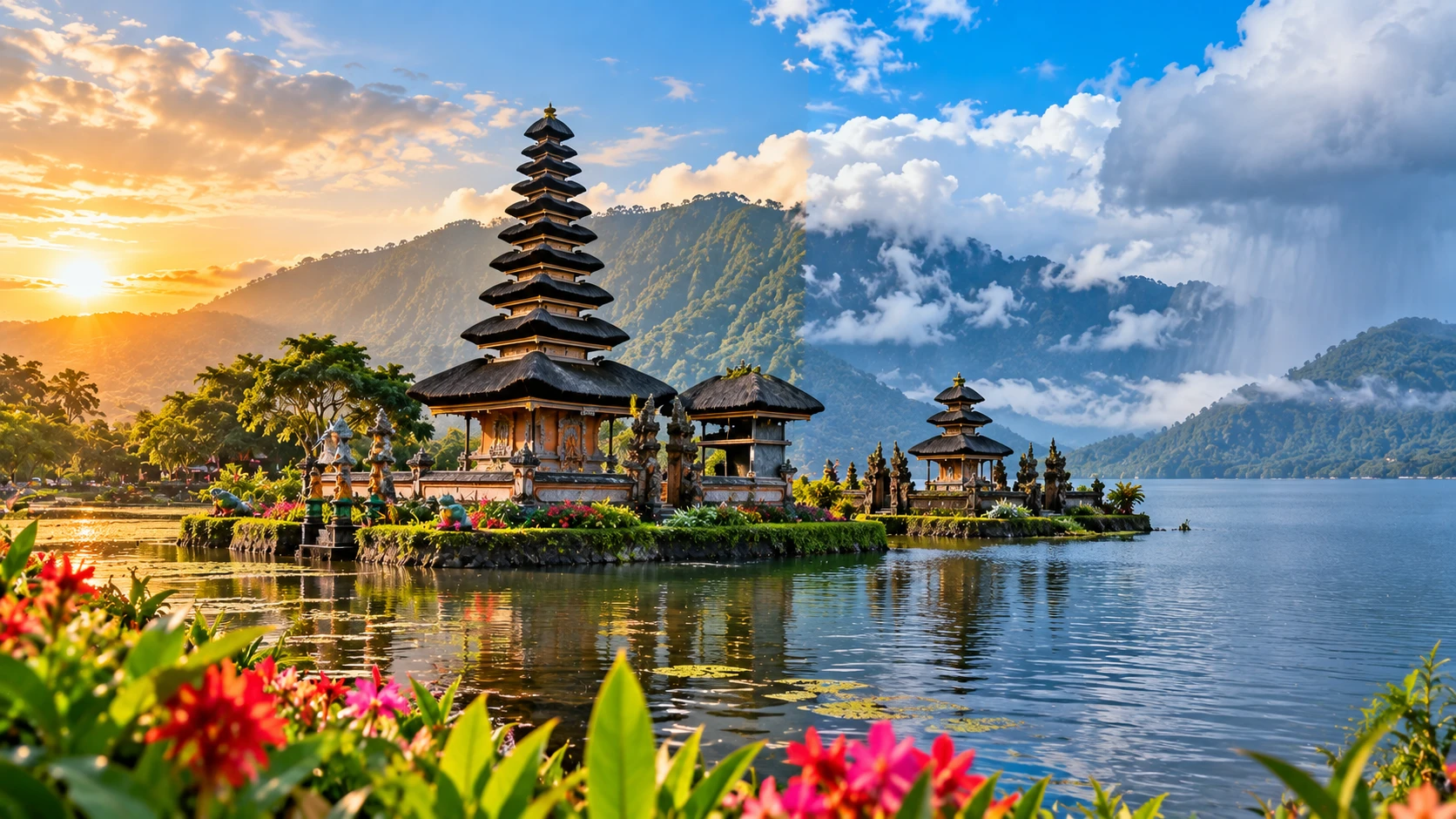
Bali is usually described as having two seasons, wet and dry. In practice five different calendars run at once and none of them matches the others: the weather, the crowds, the prices, the surf and the island's own ceremonial year.

August is dry and also the most expensive and crowded month of the year. The best surf on one coast happens when the other coast is unusable. A festival can close roads on a perfect weather day.

So the question is not when the weather is good but which calendar matters most to you. Below is what each one does and where they conflict. Dates shift year to year, so confirm the specific ones before booking.

The five calendars

Each runs on its own logic, and knowing which drives your trip settles the timing question:

CalendarWhat drives itPeak
WeatherThe monsoonDry roughly April to October
CrowdsNorthern school holidaysJuly, August and Christmas
PricesDemand, not weatherSame as the crowds
SurfWind directionOpposite on each coast
CeremonialThe Balinese calendarMoves every year

The second and third rows are the reason August disappoints people. The weather is excellent and everything else about the month is at its worst.

Dry season, and what it actually means

The dry months bring lower humidity, steady sunshine and calmer seas on the west coast. Rain is occasional rather than daily.

What it does not mean is that the wet season is a washout. Wet-season rain usually arrives as an intense hour, often in the afternoon, and clears. The mornings are frequently bright, and the island is green rather than dusty.

Crowds are a different season entirely

Visitor numbers follow school holidays in Europe and Australia, not the local weather. That is why the peak sits in July and August and again around Christmas and New Year.

In those weeks the popular areas are full, traffic slows, restaurants need booking and prices rise across the board. The shoulder months give dry-season weather without the peak, which is the single most useful thing to know about timing a trip here.

The shoulder months

Late in the dry season before the summer rush, and the weeks after it, are the sweet spot for most visitors. So is the start of the dry season.

You get reliable weather, lower prices, easier bookings and roads that move. If your dates are flexible, aim either side of the peak rather than inside it. The difference in experience is larger than the difference in weather.

Surf runs on two opposite seasons

This is the calendar most guides leave out, and it genuinely matters. The island's coasts work at opposite times because they face different wind.

During the dry months the west-coast breaks are clean and the east is blown out. In the wet months it reverses. There is no month without surf, only months when it is on the other side of the island, so surfers choose a coast rather than a season.

Under the water it reverses too

Diving and snorkelling follow their own pattern, tied to visibility and currents rather than to rainfall on land.

Some sites are best when the land is wettest, and certain marine life appears only in particular months. The site-by-site picture is set out in the guide to diving on the island. Ask a dive centre which months suit the specific site you want rather than assuming the dry season is better.

The ceremonial year moves

The island runs on its own calendars, which do not align with the western year. The major religious dates therefore fall on different days each year.

Around them temples fill, markets change and some roads close for processions. Which dates matter and roughly when they land is covered in the guide to holidays on the island and their dates. Check the ceremonial dates for your travel window before booking, not after.

The day the island stops

One date deserves its own warning. On the island's day of silence everything closes for twenty-four hours, including shops, roads and the airport.

Nobody goes outside, lights are kept low and visitors stay within their accommodation. It is remarkable to experience and impossible to fly in or out of. Arriving or departing on that date is not merely inconvenient, it is not possible, so it is the first thing to check against your flights.

Festivals worth planning around

Some dates are worth travelling for rather than avoiding. Processions, temple anniversaries and arts events give a side of the island that no beach day does.

Which ones are worth arranging a trip around is set out in the guide to festivals on the island. Build one ceremony into the trip rather than treating all of them as obstacles.

Altitude makes its own weather

The island is not one climate. The highlands are markedly cooler and wetter than the coast, and cloud settles there when the beaches are clear.

Volcano views are a morning affair, because cloud usually closes in by midday whatever the season. The upland areas around the caldera are described in the account of the Kintamani district. Go up early or not at all, and bring something warm even in the dry months.

What each season does to daily life

For anyone staying longer than a holiday, the seasons show up in ordinary ways rather than in the forecast:

  • Laundry and damp, which are a genuine nuisance in the wet months
  • Insects, more numerous after rain
  • Road conditions, with potholes appearing and being patched
  • Power cuts, more frequent in storms
  • Traffic, far heavier in the visitor peak
  • Mould on walls and in wardrobes in poorly ventilated buildings

The last one decides whether a property suits the wet season, and it is visible at a viewing if you look behind furniture and inside cupboards.

Booking behaves seasonally too

Accommodation and flights move on the crowd calendar rather than the weather one, and they move at different speeds.

Peak weeks need booking months ahead, especially anything with a pool and a view. In the quiet months the same places have space a week out and often negotiate. In the shoulder months, booking late is usually cheaper than booking early, which reverses the habit most travellers bring with them.

What the seasons do to the roads

Traffic has its own rhythm, and it tracks visitors rather than rain. In the peak weeks a journey across the south can take twice as long as in February.

Heavy rain slows everything further and floods a few low-lying stretches for an hour or two. Measure any journey you care about in peak-season minutes, not off-season ones, because that is the version you will live with if you come back in August.

Choosing by what you came for

Since the calendars conflict, the honest answer depends on the purpose of the trip:

  • Beaches and reliable sun — the dry months, ideally outside the peak
  • Value and space — the shoulder weeks either side of the peak
  • Surf — pick the coast, not the month
  • Culture and ceremony — follow the Balinese calendar
  • Green landscapes and waterfalls — the wet season, when everything is full
  • Working remotely — avoid the peak, when traffic and prices both spike

The wet season is underrated

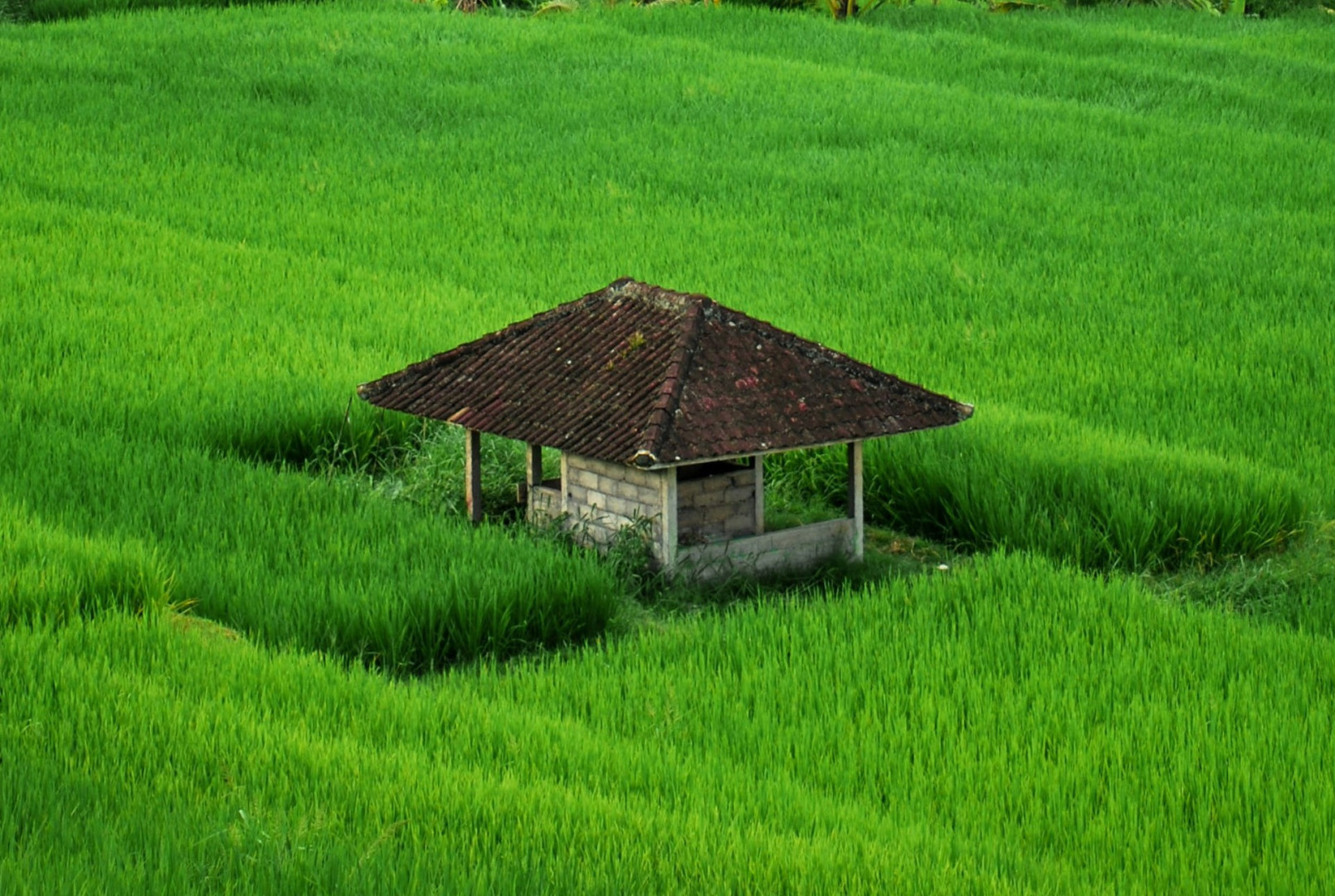
Rates fall, the island empties, the rice terraces are at their greenest and the waterfalls actually flow. Mornings are often clear.

The trade-offs are real but manageable: afternoon rain, occasional flooding on low streets and rougher seas on the west. For a second or third visit, the wet season often shows a better island than the peak does. You see the place the residents live in rather than the one arranged for the high season, and the difference is not subtle.

Buying or renting across the seasons

Anyone considering property should see an address in both halves of the year, because the same house behaves differently.

Drainage, damp, the access road and the noise of nearby construction all change between February and August. View in the wet season if you can only view once — the dry-season version of a property never reveals its problems.

Questions we hear most

When is the best time to visit Bali?

It depends which calendar matters to you. For weather with fewer people, the shoulder weeks either side of the July–August peak. For surf, choose a coast rather than a month. For culture, follow the Balinese calendar, which shifts each year.

Is the wet season worth avoiding?

Not necessarily. Rain usually comes as an intense hour, often in the afternoon, and mornings are frequently clear. Prices fall, the island empties and the landscape is at its greenest. Expect rougher west-coast seas and occasional street flooding.

Why is August so expensive if the weather is the same as June?

Because prices follow demand rather than weather, and demand follows northern-hemisphere school holidays. June and September deliver much the same conditions with fewer people and lower rates.

What is the day of silence?

A full day when the island stops: shops shut, roads close and the airport does not operate. Visitors stay within their accommodation. Check it against your flight dates first, because arriving or leaving that day is not possible.

When should I view property here?

In the wet season if you can only come once. Drainage, damp, the access road and construction noise all show themselves then, while the dry-season version of the same house hides them.

Key takeaways

  • Five calendars, not two seasons — weather, crowds, prices, surf, ceremony
  • Crowds follow school holidays — not the weather
  • Shoulder months are the sweet spot — dry weather without the peak
  • Surfers choose a coast, not a month — the two sides run opposite
  • Check the day of silence first — flights do not operate

See an address in February before you judge it in August

The same property is a different place in each half of the year, and only one of those versions is on the listing. DDA Real Estate is a real estate agency working in Indonesia, and we describe how each address behaves across the year: how the access road holds up in heavy rain, where damp collects, what the street sounds like in the visitor peak and how the area empties out of season.

Look at our offers in Bali and leave a request: tell us when you plan to be here and for how long each year, and we will shortlist places that work in your months rather than only in the brochure ones.

Popular
5 June 4329171 view
Dubai Rent Prices 2025: Average Apartment Rental Costs in Dubai Dubai's rental market continues its upward climb in 2025, driven by population growth and limited new supply, pushing average prices up by 10%
#Blog DDA
2 July 2491650 views
DLD Fees in Dubai: Everything You Need to Know Buying property in Dubai? Don't let hidden fees surprise you! Our essential guide breaks down ALL Dubai Land Department (DLD) fees
#Blog DDA
23 November 1956087 views
How to Buy a SIM Card in Turkey in 2026: Prices, IMEI Registration, eSIM Options, and Best Mobile Operators Overview of mobile operators, available types of SIM cards, and home Internet providers
#Blog DDA
5 July 1823913 views
How Much is the Real Estate Agent Commission in Dubai? Find out how much real estate agent commission costs when buying property in Dubai.
#Blog DDA
5 February 1478925 views
How Foreigners Can Own Property in Bali: Understanding PT PMA (2025) Foreigners can't own freehold land in Bali, but a PT PMA (foreign-owned company) allows secure property ownership under Hak Guna Bangunan (HGB) or Hak Pakai (HP) rights
#Blog DDA
28 August 1245321 view
Oqood vs Title Deed in Dubai: Key Differences You Must Know Buying property off-plan in Dubai? Oqood registration is mandatory to secure your ownership rights.
#Blog DDA