
Off-plan properties
Indonesia offers extraordinary journeys far beyond Bali. From Java’s temples and Lombok’s beaches to Komodo’s wildlife and Raja Ampat’s reefs, each region has its own character. The smartest itinerary starts with what you want to experience and how much time you can give to travel. This guide compares standout destinations, realistic transport needs and the details that help you choose well.
Indonesia is much larger and more varied than a single resort island. Beyond Bali, you can walk through ancient temple complexes on Java, snorkel off Lombok, watch wildlife in Komodo National Park, explore traditional villages in Flores and discover remarkable marine life in Raja Ampat. The best destination depends on whether you want culture, beaches, wildlife or a remote expedition. Distances are substantial, so planning by region makes a holiday more enjoyable than collecting famous names.
A practical comparison helps narrow the options before booking flights. Travel effort is just as important as the attraction itself. An island that looks close on a map may still require a flight, a boat and a road transfer.
| Destination | Main appeal | Best suited to |
|---|---|---|
| Java | Temples, volcanoes | Culture and landscapes |
| Lombok | Beaches, villages | Relaxed coastal travel |
| Gili Islands | Snorkeling, island life | Short island escapes |
| Komodo / Flores | Wildlife, boat trips | Nature and exploration |
| Sumatra | Rainforest, Lake Toba | Wildlife and scenery |
| Raja Ampat | Reefs, diving | Longer marine journeys |
Java combines major cities, historic sites and volcanic scenery. Yogyakarta makes a convenient base for Borobudur and Prambanan, while East Java attracts travelers to Mount Bromo and the Ijen volcanic area. Allow time for overland journeys rather than treating Java as a quick day trip. Rail services connect many major cities, but mountain excursions usually need additional road transport and an early departure.
Yogyakarta offers a strong introduction to Javanese art, food and traditional performance. Borobudur is a Buddhist monument and Prambanan is a Hindu temple complex, each deserving a separate visit. Check current access rules and ticket categories before arriving, particularly if you hope to climb designated parts of Borobudur. A guide can explain symbolism and history that is easy to miss during a rushed photo stop.
The landscapes around Bromo are famous for a vast volcanic caldera and dramatic sunrise viewpoints. Ijen is known for its crater landscape and sulfur-mining history. These are active volcanic environments, not ordinary walking trails. Access can change with weather, volcanic activity and park restrictions. Choose experienced local operators, follow official closure notices and avoid treating night hikes as suitable for every fitness level.
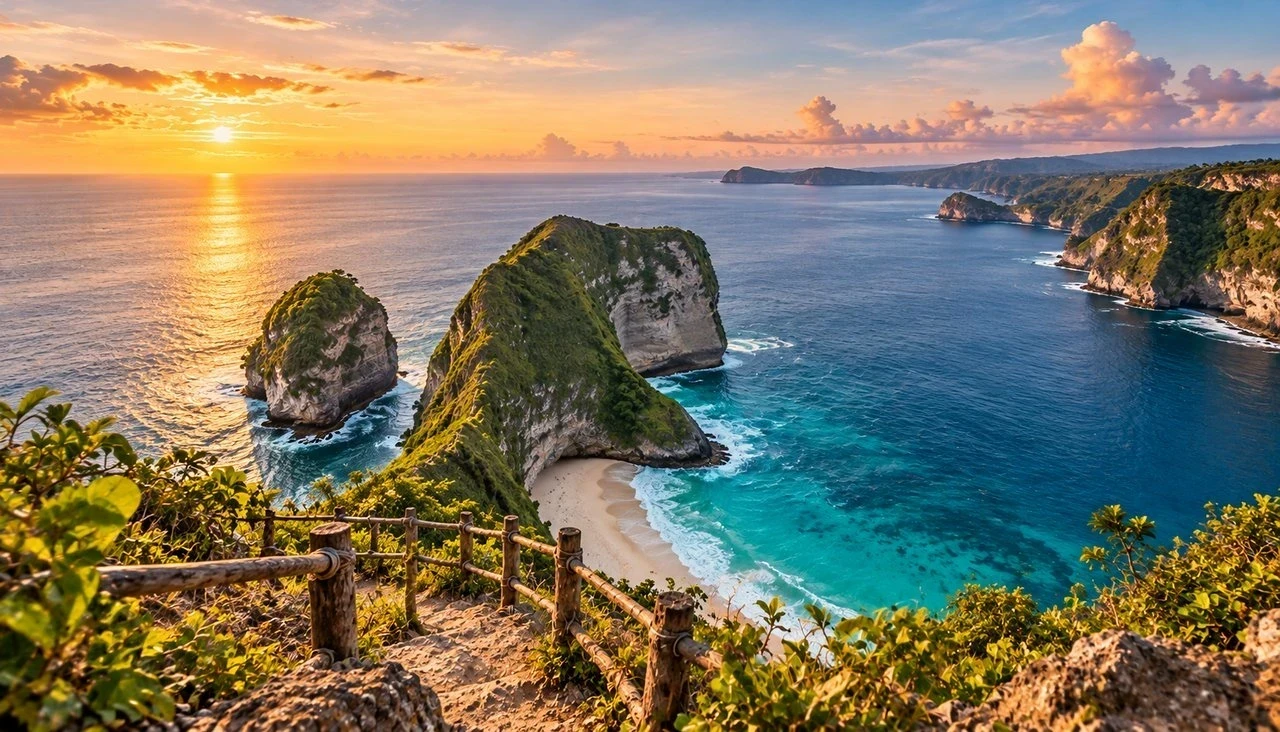
Lombok lies east of Bali and offers surf beaches, fishing communities, hills and villages with a distinct Sasak cultural heritage. Kuta Lombok is a base for exploring the south coast, while Senggigi offers a more established seaside setting. Lombok suits travelers who want a beach holiday with room to explore. Road times vary, and some attractive coves have limited facilities, so carry water and arrange a return journey in advance.
Gili Trawangan, Gili Air and Gili Meno sit off northwest Lombok. Trawangan generally has the busiest social scene, Air balances cafes and relaxation, and Meno appeals to travelers seeking quieter days. Choose the island for its atmosphere, not simply its photographs. Boat departures depend on sea conditions; snorkeling should be done without touching coral or approaching turtles too closely. The islands have limited freshwater and waste-management capacity.
The Komodo region near Labuan Bajo is known for its giant monitor lizards, rugged islands and clear-water marine sites. Many visitors join boat trips that combine guided wildlife walks and viewpoints. Komodo dragons are wild predators, so park-ranger instructions are essential. Itineraries and landing permissions can change, and strong currents make some snorkeling and diving locations suitable only for experienced participants.
Flores deserves more attention than a single departure point for Komodo tours. Its inland roads lead through mountain scenery, small towns and communities with distinctive local traditions. The Kelimutu crater lakes are a notable destination in eastern Flores. A cross-island itinerary takes several days and requires realistic driving estimates. Avoid planning tightly connected flights after long mountain drives, especially in wet weather.
Sumatra offers a different experience from the islands associated with beach tourism. Around Bukit Lawang, travelers can arrange guided rainforest visits in the wider Gunung Leuser landscape, where orangutans live in the wild. Lake Toba, a vast volcanic lake, offers scenic villages and a slower rhythm. Choose responsible wildlife guides and never feed or touch animals. Rain, slippery trails and limited medical access make preparation important.
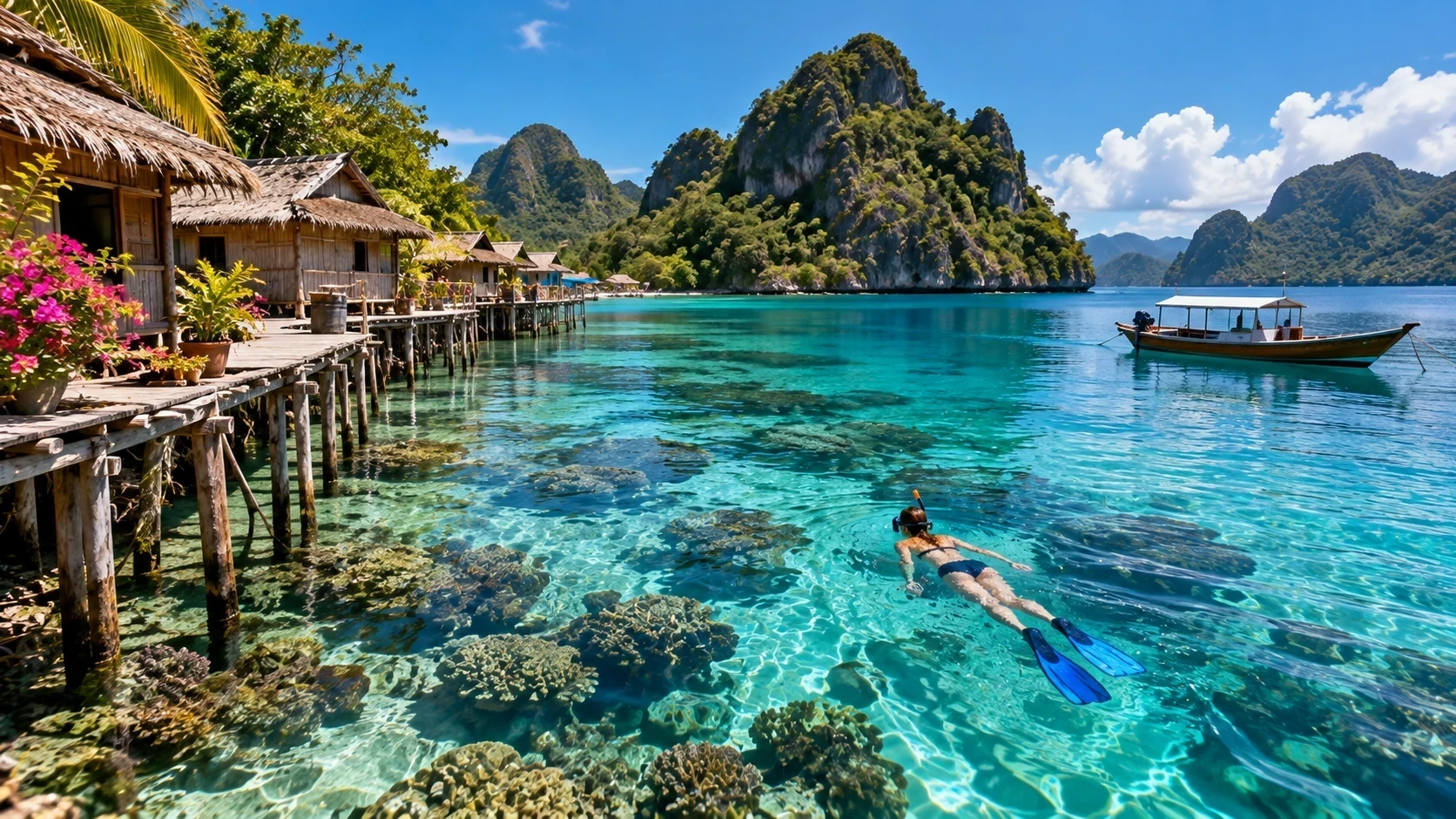
Raja Ampat in Southwest Papua is a celebrated destination for coral reefs, limestone islands and diving. The scenery is exceptional, but the trip usually involves multiple transport stages and boat transfers. Raja Ampat rewards longer stays rather than hurried stopovers. Check permits, conservation fees, operator safety practices and seasonal sea conditions before paying for remote accommodation.
Sulawesi has striking geographic diversity. Tana Toraja is associated with distinctive architecture and ceremonial traditions, while North Sulawesi offers access to marine areas around Bunaken and the Lembeh Strait. Cultural visits require respect for local customs and permission to photograph people or ceremonies. Distances between regions can be substantial, so do not combine them without checking available flights and road connections.
Indonesian Borneo, known as Kalimantan, attracts visitors interested in tropical forests and river journeys. Tanjung Puting National Park is associated with orangutan conservation and boat-based exploration. Use licensed operators that follow wildlife and park rules. Boat comfort, mosquito protection and the availability of emergency services matter more here than they do in a conventional resort destination.
For a first trip beyond Bali, a compact route is often the most rewarding: Java for heritage, Lombok and the Gilis for beaches, or Labuan Bajo and Flores for wildlife and scenery. Group destinations by transport corridor. For the Bali–Lombok leg, the Padang Bai gateway to Lombok and the Gili Islands is worth checking when planning boat connections. A trip that tries to include Java, Sumatra and Raja Ampat in one short holiday can become a series of airports rather than meaningful experiences.
A few days are enough to sample one focused region, but not the whole country. A week can work for Yogyakarta and nearby sites or for Lombok and the Gilis. Longer trips give space for Flores or a more remote marine destination. Keep a buffer before international flights, especially when your final leg relies on a small aircraft or a boat. Weather disruptions are a practical planning consideration, not an exceptional event.
Indonesia does not have one perfectly uniform travel season. Rainfall, wind and sea conditions differ between Java, Lombok, Flores, Sumatra and eastern islands. Some marine destinations have their own preferred cruising periods. Check the conditions for the exact region and activity, rather than applying Bali weather and rainy season to the whole archipelago. For volcanoes and boats, daily conditions can be more important than a monthly average.
Domestic flights cover long distances, while ferries and fast boats serve many shorter routes. Not every ferry is designed for the same sea conditions or luggage needs. Check departure ports, baggage limits and realistic connection times. Choose established operators, follow local maritime advisories and avoid building an itinerary around the last boat of the day when you have a fixed onward flight.
Remote islands and national parks may have limited medical facilities. Travel insurance should cover your actual activities, including diving or trekking where relevant. Carry essential medicines, drink safe water and follow local guidance about currents, wildlife and trail closures. Respect protected areas and community rules. Responsible travel also means avoiding wildlife feeding, reducing single-use plastic and asking before photographing residents.
A place that feels wonderful during a short trip may be inconvenient for a longer stay. Before considering a seasonal base, check healthcare, internet reliability, access to groceries and transport during quieter months. If the visit becomes a relocation plan, review Indonesia’s long-term residence options separately from your travel itinerary. Tourist appeal and everyday livability are different questions. The same principle applies when exploring property opportunities in Lombok or other developing destinations: inspect actual access and services rather than relying only on promotional images.
Which Indonesian island is best for a first trip beyond Bali?
Java is an excellent choice for temples and culture; Lombok is easier for travelers who primarily want beaches. The right answer depends on your interests and available time.
Can I visit Komodo National Park independently?
Most visitors use organized boat transport and follow park access requirements. Wildlife walks should be conducted under the supervision of authorized guides or rangers.
Is Raja Ampat suitable for a short weekend?
Usually not. The long transfers and boat connections make a longer stay more practical and enjoyable.
When should I book inter-island transport?
Book early when travel dates are fixed, but keep flexibility for weather-sensitive boat routes and remote flights.
Can I combine Java and Lombok in one holiday?
Yes, provided you allocate enough time for flights and ground transfers. A focused itinerary is generally better than adding too many islands.
DDA Real Estate can help you compare Indonesian property locations if a memorable journey develops into plans for a longer stay or investment. The team can discuss location characteristics, available properties and the steps involved in assessing a purchase.
Explore our properties in Indonesia and send an inquiry: tell us whether you prioritize a holiday base, regular stays or an investment property, and we will help narrow the search to suitable locations.