Daily Life in a Turkish Apartment in 2026
Alanya
EN
$
ft²
Other articles

Daily Life in a Turkish Apartment: Building the Routine

Viktoria Kurkumuli The author of the article, the Broker
#Blog DDA
21 September 756 views

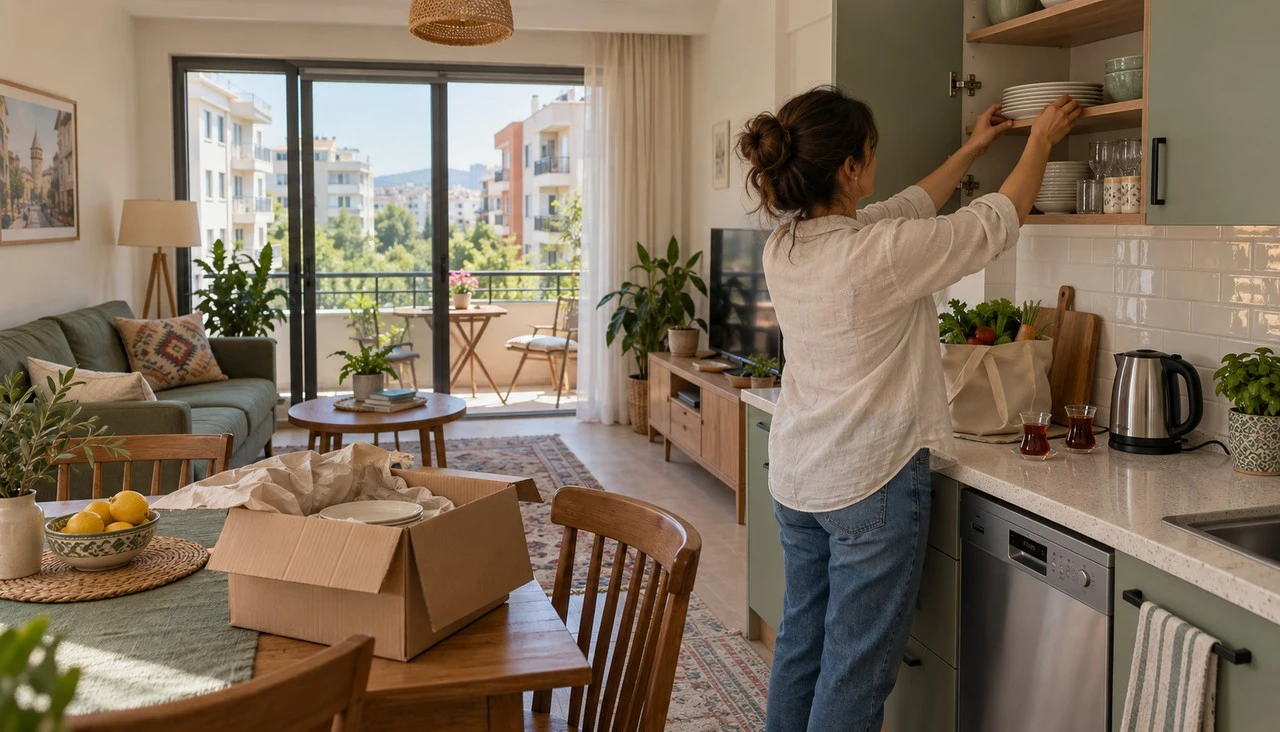
The paperwork ends faster than people expect. Utilities connect, the address is registered, the boxes are unpacked, and then the useful question arrives: how does an ordinary week work here?

Newcomers who settle quickly do one thing differently. They build a short list of people and services in the first weeks, instead of solving each problem from scratch when it appears.

This guide covers the contacts worth having and how bills and payments really work. It also sets out the rhythm of shopping and healthcare, and the seasonal maintenance nobody warns you about. Practices vary by city, so treat this as a framework.

The List That Replaces a Concierge

Nine numbers in your phone remove most of the friction of a first year:

  • The building manager. The single most useful contact you will have. He knows the building, the residents and who to call for what.
  • A plumber and an electrician. Ideally ones who already work in your building. They know the layout and can come the same day.
  • An air conditioning technician. Servicing is annual here, and finding someone in July is harder than finding someone in April.
  • A cleaner. Weekly or fortnightly, usually found through the building or neighbours.
  • Your nearest pharmacy. Turkish pharmacists advise on minor problems, and this is the normal first stop.
  • A doctor who speaks your language. Worth identifying before you are ill, not during.
  • A sworn translator. Official documents need certified translation, and it comes up more often than expected.
  • A reliable driver or taxi contact. For airport runs and evenings when apps are stretched.
  • A handyman. For everything that is not plumbing or electrics, which turns out to be most of it.

Collect these through the building rather than online. A tradesman recommended by your manager has a reason to do the job properly. He will see you and the manager again next week.

How Bills Actually Arrive

Payment culture here runs on automation, and setting it up early prevents the most common expat problem.

Utility bills are issued monthly and can be paid at the bank, through apps or at authorised points. The building charge is collected separately by the management, usually monthly.

Set up automatic payment for everything you can. Arrears accumulate quietly while you are travelling, and unpaid building charges attach to the property rather than following you personally.

Keep one account for household payments so the history is in one place. What the recurring costs consist of is set out in the guide to utilities and property costs in Turkey.

The Shopping Rhythm

Daily life here has a pattern that rewards learning rather than fighting.

WhereWhat forWhen
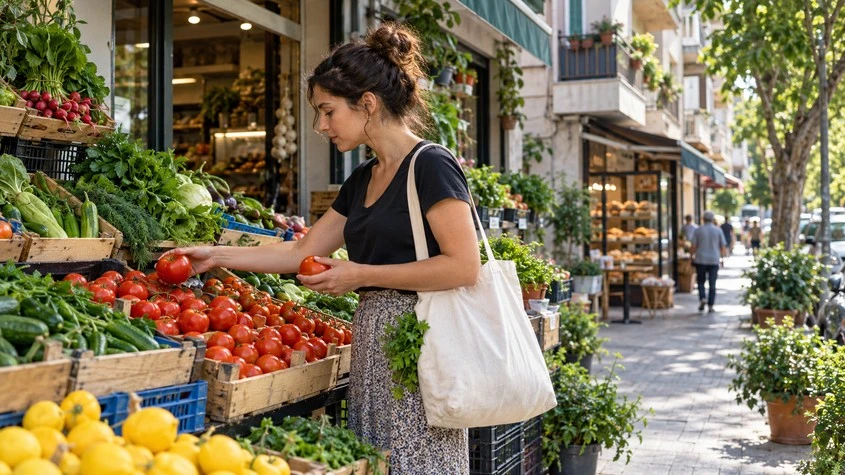
The street marketFruit, vegetables, cheese, eggsIts fixed weekday, mornings
The corner shopBread, milk, small itemsDaily, walking distance
The bakeryFresh breadDaily, and it matters here
SupermarketEverything elseWeekly
Delivery appsGroceries and mealsWhenever, widely available
Wholesale storesBulk and household goodsMonthly

Find your neighbourhood market day in the first week. Produce is better and considerably cheaper than the supermarket, and the market is also where you start recognising people. In a new city that matters more than the saving.

Healthcare in Practice

The system works differently from what most newcomers expect, and the difference is useful.

Pharmacies are the first stop for minor problems. Pharmacists are qualified to advise and many medicines available here need no prescription. For anything more, private clinics are quick and widely used by residents.

Identify a clinic and a doctor before you need one. Ask neighbours and the building manager rather than searching online. Personal recommendation is how this is done here, and it produces better results.

Keep your insurance documents accessible on your phone, along with a note of any conditions and medications in Turkish. A translated line of text saves a great deal in an emergency.

Getting Around

How you move shapes the week more than anything except the commute itself.

Public transport in the larger cities runs on a transport card that covers buses, trams and metro where available. Taxi apps work in most cities and remove the language barrier around fares and destinations.

Decide the car question deliberately rather than by default. In a central district with transport nearby, many residents manage without one. Outside town it becomes necessary, and that changes the household budget. The options for renting a car in Turkey are worth understanding before buying one.

A local mobile number is the practical foundation of all of this. Apps, deliveries, bank confirmations and tradesmen all depend on it, and the options are covered in the guide to mobile communications in Turkey.

The Language Minimum

You do not need fluency. You need about forty words and five situations.

The situations that recur are the market, the pharmacy, the taxi, the building manager and the delivery driver at your door. Learning the vocabulary for those five covers most of an ordinary week. Start here:

  • Numbers. For prices, floors, quantities and phone confirmations.
  • Greetings and thanks. Used constantly, and noticed when used.
  • The names of what you buy. Twenty words of food vocabulary transform the market.
  • Your address, spoken aloud. For taxis and deliveries.
  • «There is a problem with…». One sentence that starts every useful conversation with a tradesman.

Effort is rewarded here disproportionately. Attempting Turkish badly gets warmer treatment than speaking English well, and that changes how your building treats you within weeks.

The Maintenance Calendar

The part nobody tells new owners, and the one that prevents most household expense.

SeasonWhat to do
SpringService the air conditioning before the queues start
Early summerCheck the water tank, filters and outdoor seals
Late summerInspect sun damage to balcony surfaces and awnings
AutumnTest the heating before you need it, clear drains
WinterWatch for damp in corners, ventilate regularly
AnnuallyRenew the compulsory insurance and check the charge statement

Air conditioning service in April costs less and happens sooner than the same call in July. The technicians are the same people; the difference is that in summer everyone needs them at once.

Winter damp deserves its own habit. Turkish apartments ventilate well and insulate poorly, so opening windows briefly each day does more against mould than any device.

The Building as a Community

Living in a Turkish apartment block means joining something, whether you engage with it or not.

Most buildings have a manager and many have a caretaker who handles deliveries, bins and small repairs. Residents often run a messaging group for announcements and problems.

Ask to be added to the building group and introduce yourself once. It puts you inside the flow of information about water cuts, maintenance and meetings, and it makes you a neighbour rather than the foreigner in 4B.

Small courtesies carry weight. Greeting people in the lift, acknowledging the caretaker and taking part in shared occasions cost nothing and change how quickly problems get solved for you.

Deliveries, Post and Waste

Three practical systems that work differently from many countries.

Parcels usually arrive by courier rather than post, and the caretaker or building entrance often serves as the collection point. Give the full address in the local format, including the building name and apartment number.

Learn where your building puts its bins and on what schedule. Waste collection is frequent and the rules are local, so this is a question for the caretaker rather than the internet.

Keep the address written correctly in a note on your phone. Copying it into apps and forms saves repeated corrections.

What Breaks in the First Year

A predictable list, and knowing it turns surprises into scheduled work:

  • Air conditioning, usually in the first heatwave after a period of disuse.
  • Water heater elements, particularly in hard-water areas.
  • Window seals and balcony doors, from sun and salt.
  • Bathroom silicone, which discolours before it fails.
  • Washing machine inlet hoses, which are cheap to replace and expensive to ignore.

Replace the washing machine hoses early. A burst hose while you are out is the most common cause of water damage to the flat below, and that becomes your liability rather than an inconvenience.

Where you rent rather than own, the division of responsibility for repairs should be in the contract. What each side owes the other is set out in the guide to tenant and landlord rights in Turkey.

Settling In Socially

The practical side gets sorted in weeks. This part takes longer and matters more.

Routine builds contact. The same bakery, the same market stall, the same cafe on the same morning turn strangers into acquaintances faster than any organised effort.

Pick three places and go regularly. Being recognised somewhere is the point at which a new city stops feeling temporary.

University cities have a particular rhythm around this, with a younger population and more mixing — the pattern is visible in the student guide to living in Ankara. Smaller coastal cities work differently, as the guide to Mersin shows.

Frequently Asked Questions

What is the first contact I should get?

The building manager. He knows the building, the residents and which tradesman to call, and that one number resolves most early problems.

How do I pay my bills?

Through the bank, apps or authorised payment points, with the building charge collected separately by the management. Set up automatic payment for everything you can.

Do I need to speak Turkish?

Not fluently. Numbers, greetings, food vocabulary, your address and one sentence about a problem cover most of an ordinary week, and the effort is noticed.

Where should I buy food?

The weekly street market for produce, the corner shop for daily items, a supermarket for everything else. Find your neighbourhood market day in the first week.

When should I service the air conditioning?

In spring. The same technicians cost less and arrive sooner in April than in July, when everyone needs them at once.

How does healthcare work day to day?

Pharmacies handle minor problems and pharmacists advise. Private clinics are quick and widely used. Identify a doctor through neighbours before you need one.

Do I need a car?

In central districts with transport, often not. Outside town, usually yes. Decide deliberately rather than by default, because it changes the household budget.

Key Points to Remember

  • Build the contact list first. Nine numbers remove most of the friction of a first year.
  • Automate the payments. Arrears accumulate quietly and attach to the property.
  • Find your market day. Better produce, lower prices and the start of recognising people.
  • Service the air conditioning in spring. Same technician, lower cost, sooner appointment.
  • Forty words change everything. Numbers, greetings, food, your address and one sentence about a problem.

Two Weeks of Setup, or a Year of Improvising

The households that settle well are not the ones with the best apartment. They are the ones who spent the first fortnight collecting phone numbers, setting up payments and finding their market day. Everything after that is routine, and routine is what makes a place home. DDA Real Estate is a real estate agency in Turkey. We work across Antalya, Alanya, Istanbul, Izmir, Bodrum and Mersin, and we hand over more than keys. What everyday life here is really like is set out in the honest overview of living in Turkey.

Look at our offers in Turkey and leave a request: tell us which district you are moving to. We will pass on the tradesmen who already work in that building, the market days nearby and the contacts worth having before you need them.

Popular
5 June 4322178 views
Dubai Rent Prices 2025: Average Apartment Rental Costs in Dubai Dubai's rental market continues its upward climb in 2025, driven by population growth and limited new supply, pushing average prices up by 10%
#Blog DDA
2 July 2484972 view
DLD Fees in Dubai: Everything You Need to Know Buying property in Dubai? Don't let hidden fees surprise you! Our essential guide breaks down ALL Dubai Land Department (DLD) fees
#Blog DDA
23 November 1947078 views
How to Buy a SIM Card in Turkey in 2026: Prices, IMEI Registration, eSIM Options, and Best Mobile Operators Overview of mobile operators, available types of SIM cards, and home Internet providers
#Blog DDA
5 July 1816605 views
How Much is the Real Estate Agent Commission in Dubai? Find out how much real estate agent commission costs when buying property in Dubai.
#Blog DDA
5 February 1473822 view
How Foreigners Can Own Property in Bali: Understanding PT PMA (2025) Foreigners can't own freehold land in Bali, but a PT PMA (foreign-owned company) allows secure property ownership under Hak Guna Bangunan (HGB) or Hak Pakai (HP) rights
#Blog DDA
28 August 1239084 view
Oqood vs Title Deed in Dubai: Key Differences You Must Know Buying property off-plan in Dubai? Oqood registration is mandatory to secure your ownership rights.
#Blog DDA